 Roy Suryo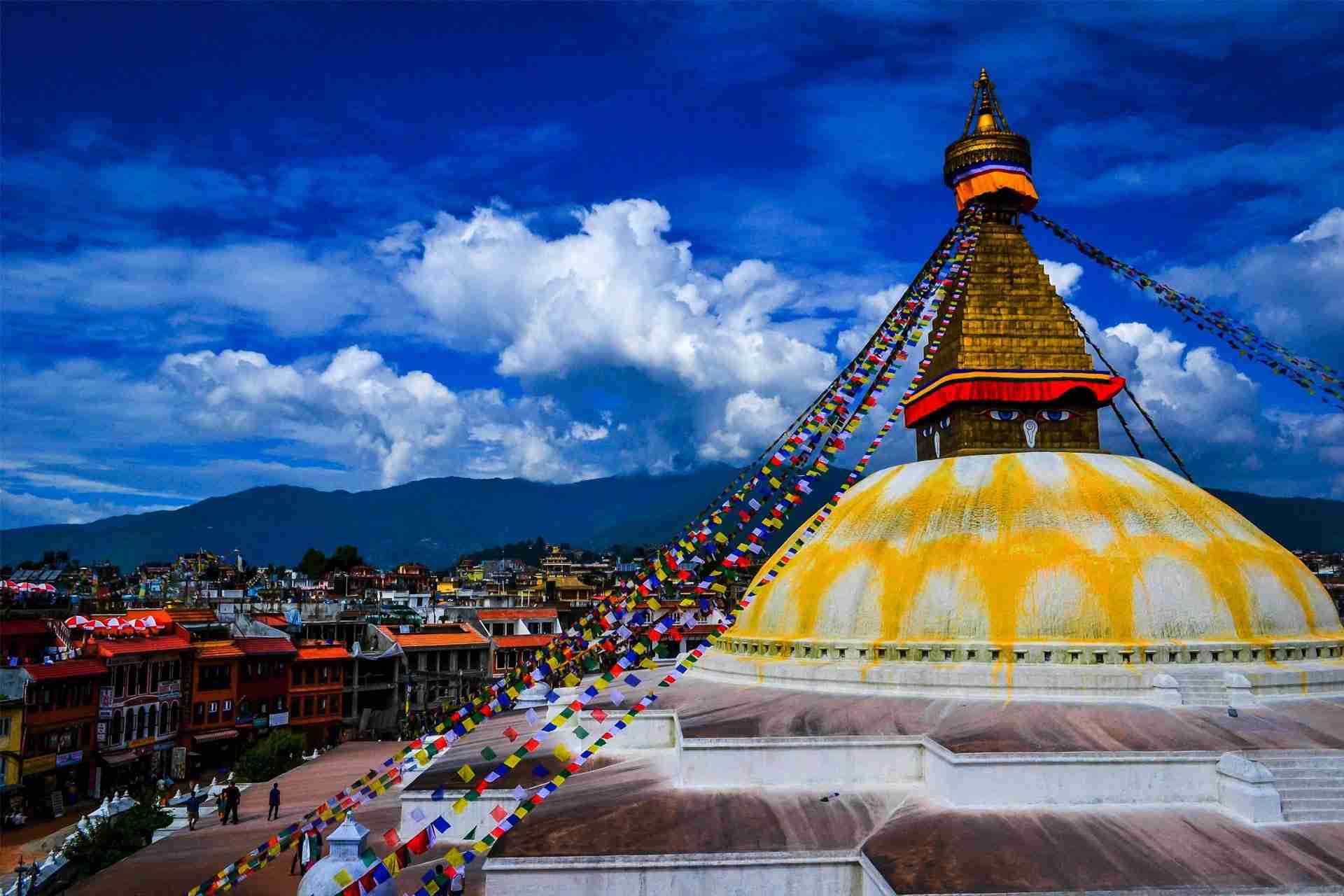
Nepal, a land of towering Himalayas, ancient traditions, and vibrant cultures, captivates travelers with its unparalleled beauty and spiritual depth. While iconic landmarks like Everest Base Camp and Durbar Square draw millions, true magic often lies just beyond the well-trodden path. This comprehensive guide focuses on exploring Nepal that locals recommend, offering an authentic glimpse into the heart of this incredible nation. Prepare to discover hidden gems, savor traditional flavors, and connect with the genuine spirit of Nepal, far from the typical tourist routes.
Beyond the Tourist Trail: Authentic Nepal Experiences Locals Recommend
To truly understand Nepal, one must step away from the commercialized areas and delve into the everyday life of its people. Locals know best where the heart of their culture beats strongest, whether it’s a bustling market or a tranquil temple courtyard.
Kathmandu’s Hidden Gems: Exploring Local Life in the Capital
Kathmandu, the bustling capital, is often the first stop for many travelers. Beyond Thamel’s souvenir shops, a richer, more authentic experience awaits. Venture into the narrow alleys of Old Kathmandu, where ancient brick homes stand shoulder to shoulder, and hidden courtyards (bahals) reveal centuries-old traditions.
- Asan Tole Market: This vibrant, chaotic market is a sensory overload in the best way. Locals flock here for fresh produce, spices, textiles, and household goods. It’s a perfect place to observe daily life and perhaps try some local snacks from street vendors.
- Patan Durbar Square’s By-Lanes: While the main square is famous, explore the surrounding residential areas. Discover local artisan workshops where craftspeople carve wood, beat metal, or create intricate thangka paintings. Many offer informal demonstrations or even short classes.
- Kirtipur: A historic Newari town perched on a hill, Kirtipur offers panoramic views of Kathmandu Valley and a glimpse into traditional Newari architecture and lifestyle. It’s less crowded than Bhaktapur or Patan and provides a more intimate experience.
Pokhara’s Serene Secrets: What Locals Cherish in Nepal
Pokhara, renowned for its serene lakes and stunning mountain views, also has its own local charm. While boating on Phewa Lake is popular, locals often seek out quieter spots and unique activities.
- Begnas and Rupa Lakes: These two lesser-known lakes, a short drive from Phewa, offer a more tranquil environment for boating, fishing, and lakeside picnics. The surrounding villages provide a peaceful retreat.
- Local Coffee Shops & Eateries: Instead of the tourist-heavy lakeside restaurants, ask your guesthouse owner for recommendations on local eateries. You might find hidden gems serving authentic Nepali breakfast or delicious momos frequented by residents.
- Early Morning Walks: Wake up before dawn and walk along the quieter parts of Phewa Lake or head towards the World Peace Pagoda before the crowds arrive. The sunrise over the Annapurna range is breathtaking, and the peace is profound.
Trekking Off the Beaten Path: Local-Approved Adventures in Nepal
Nepal is synonymous with trekking, but many trails offer more solitude and cultural immersion than the Everest or Annapurna Base Camp routes. Local-approved adventures in Nepal prioritize authentic interactions and pristine natural beauty.
Discovering Untouched Trails: Nepal’s Best-Kept Trekking Secrets
For those seeking a more personal connection with the Himalayas, several routes provide incredible experiences away from the mainstream. These trails often pass through traditional villages, allowing trekkers to interact directly with local communities.
- Mardi Himal Trek: A relatively new and increasingly popular trek, Mardi Himal offers stunning close-up views of Machhapuchhre (Fishtail Mountain) and Annapurna South with fewer crowds. It’s an excellent alternative for those wanting an authentic teahouse trek experience.
- Langtang Valley Trek: Known as the "Valley of Glaciers," Langtang offers a blend of spectacular mountain scenery, dense forests, and unique Tamang culture. Though affected by the 2015 earthquake, the region has rebuilt and welcomes trekkers, eager to share their resilient spirit.
- Manaslu Circuit Trek: This restricted area trek circumnavigates the world’s eighth-highest mountain, offering a true wilderness experience. It’s a challenging but incredibly rewarding journey through diverse landscapes and remote villages, providing deep cultural insights into Tibetan-influenced communities.
Sustainable Trekking in Nepal: Supporting Local Communities on Your Journey
When exploring Nepal that locals recommend, embracing sustainable practices is crucial. Choosing locally-owned businesses directly benefits the communities you visit, ensuring your adventure contributes positively to their livelihoods and environment.
- Hire Local Guides and Porters: This is perhaps the most impactful way to support local economies. Local guides possess invaluable knowledge of the terrain, culture, and traditions, enriching your trekking experience immensely.
- Stay in Teahouses and Homestays: Opt for local teahouses rather than larger lodges where possible. Many remote villages also offer homestay opportunities, providing an intimate look into Nepali family life and culture.
- Respect Local Customs and Environment: Always ask permission before taking photos, dress modestly, and dispose of your waste responsibly. Carry a reusable water bottle to minimize plastic waste, a significant issue in the mountains.
Savoring Nepal: Culinary Journeys Recommended by Locals
Nepali cuisine is a delightful blend of flavors, often hearty and comforting. Culinary journeys recommended by locals go beyond tourist menus, leading you to authentic tastes and unforgettable dining experiences.
Street Food Delights: Authentic Flavors of Nepal
Nepali street food is a universe of flavors waiting to be explored. Locals often gather around specific vendors, a clear sign of delicious and safe options.
- Momos: These delectable dumplings are Nepal’s most iconic snack. Seek out small, unassuming stalls or local eateries for the freshest, most authentic momos – steamed, fried, or in a spicy soup (C-momo).
- Chatamari: Often called "Nepali pizza," Chatamari is a thin rice flour crepe topped with minced meat, egg, or vegetables. It’s a Newari specialty, best found in the older parts of Kathmandu and Patan.
- Pani Puri & Chatpate: These tangy, spicy, and refreshing street snacks are hugely popular. Pani Puri involves crispy hollow balls filled with spiced potatoes and chickpeas, then topped with flavored water. Chatpate is a spicy mix of puffed rice, noodles, vegetables, and spices.
Traditional Nepali Thali: A Taste of Home in Nepal
Dal Bhat, the national dish, is more than just food; it’s a staple that fuels the nation. For a true taste of home in Nepal, try a traditional Thali set.
- Dal Bhat Tarkari: This hearty meal consists of steamed rice (bhat), lentil soup (dal), and various curried vegetables (tarkari). It often comes with a small serving of pickle (achar) and sometimes meat. Many local restaurants offer "Dal Bhat Power, 24 Hour," meaning unlimited refills of rice and dal!
- Newari Khaja Set: A traditional Newari platter featuring beaten rice, barbecued buffalo meat (chhoila), dried meat (sukuti), local pickles, and various other accompaniments. It’s a feast of textures and flavors.
- Attend a Cooking Class: Many guesthouses and cultural centers in Kathmandu and Pokhara offer cooking classes. This is a fantastic way to learn about Nepali ingredients and techniques, enabling you to recreate these authentic flavors back home.
Cultural Immersion: Connecting with Nepali Traditions Through Local Eyes
Nepal’s rich cultural tapestry is best experienced by participating in its vibrant festivals and understanding its profound artistic heritage. Connecting with Nepali traditions through local eyes means embracing the warmth and hospitality of the Nepali people.
Festivals and Fairs: Experiencing Local Celebrations in Nepal
Nepal is a land of festivals, with celebrations occurring almost every month. Participating in these events offers an unparalleled insight into the local way of life and spiritual beliefs.
- Dashain & Tihar: These are the biggest and most important Hindu festivals, celebrated with immense fervor across the country. If you’re in Nepal during these times (usually October/November), you’ll witness families reuniting, elaborate pujas, colorful decorations, and joyous celebrations.
- Indra Jatra: Unique to Kathmandu Valley, this festival honors the god Indra and the living goddess Kumari. Witness the pulling of chariots, masked dances, and ancient rituals. It’s a spectacular display of Newari culture.
- Teej: Primarily a women’s festival, Teej sees women dressed in vibrant red saris celebrating with fasting, singing, and dancing for the well-being of their husbands and families. While primarily for women, the atmosphere is electric and visible across many towns.
Artistic Heritage: Exploring Nepal’s Craftsmanship with Local Insights
Nepali artistry is world-renowned, from intricate wood carvings to spiritual thangka paintings. Seeking out local artisans provides a deeper appreciation for their skills and the cultural significance of their creations.
- Patan’s Artisan Workshops: Patan is a hub for traditional craftsmanship. Wander through its ancient lanes to find workshops specializing in metalwork (statues, ritual objects), wood carving, and pottery. Many allow visitors to observe the process.
- Thangka Painting Schools: These traditional Tibetan Buddhist paintings are not just art but also tools for meditation. Visit a thangka painting school or workshop in Kathmandu or Boudhanath to see artists meticulously create these detailed pieces and learn about their symbolism.
- Bhaktapur Pottery Square: In Bhaktapur, you can witness potters creating traditional clay vessels by hand on spinning wheels. It’s a mesmerizing sight and an opportunity to purchase unique, handmade souvenirs directly from the makers.
Practical Tips for Exploring Nepal Like a Local
To truly integrate and enjoy your authentic Nepali journey, a few practical tips can make all the difference. These recommendations for exploring Nepal like a local will help you navigate the country with ease and respect.
Navigating Nepal: Local Transportation and Etiquette for Travelers
Getting around Nepal can be an adventure in itself. Embracing local transport and understanding basic etiquette will enhance your experience.
- Local Buses and Micro-Buses: For inter-city travel, local buses are economical and offer a window into Nepali life. Micro-buses are faster but can be cramped. Always confirm your destination and fare with a local before boarding.
- Shared Taxis/Tempos: In cities, shared taxis or tempos (three-wheeled vehicles) are a common way for locals to get around. They follow fixed routes and are cheaper than private taxis.
- Bargaining & Tipping: Bargaining is common in markets, but do so respectfully and with a smile. Tipping is not mandatory but appreciated for good service in restaurants, by porters, and guides.
- Respectful Conduct: Always remove your shoes before entering temples or homes. Dress modestly, especially when visiting religious sites. Use your right hand for eating and giving/receiving items, as the left hand is considered unclean.
Sustainable Travel: Recommendations for Responsible Exploration in Nepal
Your journey to discover Nepal authentically should also be a responsible one. Adopting sustainable travel habits helps preserve Nepal’s natural beauty and cultural heritage for future generations.
- Minimize Your Footprint: Carry a reusable water bottle and filter, avoid single-use plastics, and dispose of waste properly. Support initiatives that address waste management in trekking regions.
- Support Local Businesses: Choose guesthouses, restaurants, and shops that are locally owned. Purchase handicrafts directly from artisans or cooperatives, ensuring fair wages.
- Learn Basic Nepali Phrases: A few simple phrases like "Namaste" (hello/greeting), "Dhanyabad" (thank you), and "Ramro chha" (it’s good) can go a long way in building rapport with locals and enriching your interactions.
- Be Mindful of Photography: Always ask for permission before taking photos of people, especially in religious settings. Respect their privacy and wishes.
Conclusion: Your Unforgettable Nepal Journey with Local Insights
Exploring Nepal that locals recommend opens up a world of authentic experiences, profound connections, and unforgettable memories. By venturing beyond the well-trodden paths, embracing local insights, and traveling responsibly, you contribute to a more meaningful and sustainable tourism model. From the hidden courtyards of Kathmandu to the serene lakes of Pokhara and the untouched trails of the Himalayas, Nepal promises an adventure that will not only show you its beauty but also touch your soul. So, pack your bags, open your heart, and prepare for a genuine Nepali odyssey guided by the wisdom of its people.