 admin
admin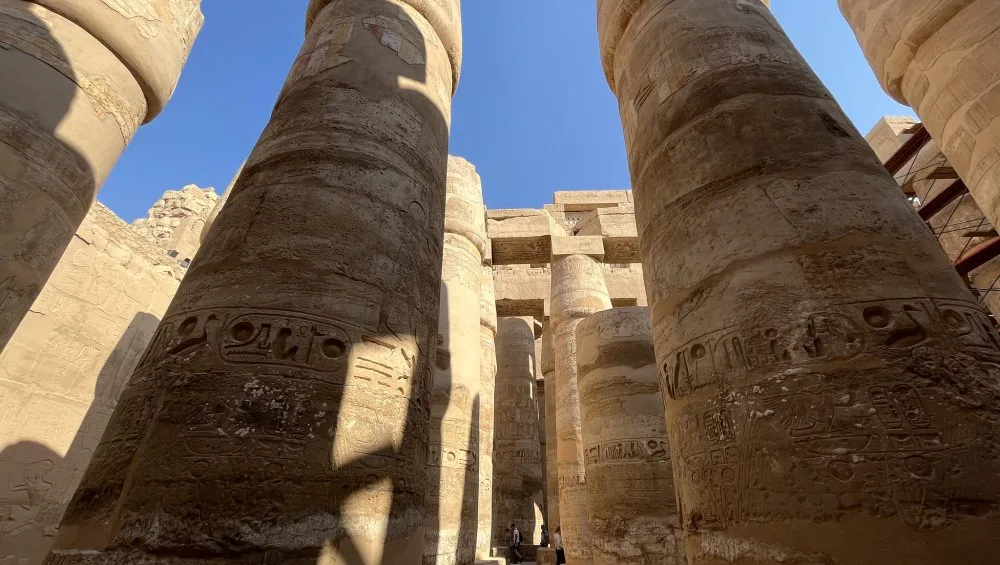
Unveiling Ancient Egypt: Iconic Landmarks for First-Time Visitors
Stepping onto Egyptian soil is like traversing a living museum, where every corner whispers tales of pharaohs, gods, and epic sagas. The nation’s most famous sites are undeniably its ancient wonders, drawing millions each year.
The Pyramids of Giza & The Sphinx: A Timeless Spectacle
No introduction to Egypt’s cultural wonders is complete without mentioning the Great Pyramids of Giza and the enigmatic Sphinx. These colossal structures, built over 4,500 years ago, stand as enduring testaments to the ingenuity and ambition of the ancient Egyptians. The Great Pyramid of Khufu, the only remaining wonder of the ancient world, dominates the desert landscape alongside the pyramids of Khafre and Menkaure. The majestic Sphinx, with its lion’s body and human head, guards this sacred necropolis, its gaze fixed on the rising sun.
Tips for Visiting Giza:
- Go Early: Arrive right at opening to beat the crowds and the midday heat.
- Camel Ride: Consider a short camel ride for unique photo opportunities and an authentic desert experience.
- Sound & Light Show: Witness the Pyramids illuminated at night, accompanied by a historical narrative.
- Entry: You can enter one of the pyramids, usually Khufu or Menkaure, for an additional fee. It’s a tight squeeze but an incredible experience.
The Egyptian Museum in Cairo: A Treasure Trove of Antiquities
Before venturing further into the ancient world, a visit to the Egyptian Museum (or the soon-to-be-fully-opened Grand Egyptian Museum – GEM) is essential. This institution houses the world’s largest collection of Pharaonic antiquities, providing invaluable context to the sites you’ll explore. The highlight for many is the breathtaking collection from Tutankhamun’s tomb, including his solid gold burial mask and sarcophagi, offering a glimpse into royal burial practices and the opulence of ancient royalty.
Insights for Museum Exploration:
- GEM vs. Tahrir: If visiting in 2024 or later, confirm which museum houses the main collections, as many artifacts are being moved to the new GEM near Giza.
- Focus: With over 120,000 items, it’s impossible to see everything. Prioritize the Tutankhamun collection, royal mummies (additional ticket), and monumental statues.
- Audio Guide: Consider an audio guide for deeper insights into key exhibits.
Luxor: The World’s Greatest Open-Air Museum
South of Cairo, on the banks of the Nile, lies Luxor – a city often described as the world’s greatest open-air museum. Once the ancient capital of Thebes, Luxor is a treasure trove of temples, tombs, and monuments that reflect the peak of New Kingdom power and artistry.
Karnak Temple Complex: A Monument to Deities
The Karnak Temple Complex is not just a temple; it’s a sprawling city of temples, chapels, pylons, and obelisks dedicated primarily to the Theban Triad of Amun, Mut, and Khonsu. Its sheer scale and intricate carvings are mind-boggling. The Great Hypostyle Hall, with its 134 massive columns, creates an unforgettable forest of stone, leaving visitors humbled by its grandeur.
Luxor Temple: An Architectural Masterpiece
Located on the East Bank of the Nile, Luxor Temple is intimately connected to Karnak by an ancient avenue of sphinxes. This temple, unlike many others, was not dedicated to a cult god or a deified pharaoh but to the rejuvenation of kingship. It’s particularly stunning at sunset or after dark when floodlights illuminate its majestic columns and statues, creating a truly magical atmosphere.
The Valley of the Kings: Royal Tombs and Eternal Rest
On Luxor’s West Bank, nestled in a desolate wadi, lies the Valley of the Kings, the burial ground for pharaohs and powerful nobles of the New Kingdom. Here, elaborately decorated tombs, carved deep into the rock, were meant to protect the pharaohs’ eternal resting places and their treasures. While Tutankhamun’s tomb is famous for its treasures (now in the museum), other tombs like those of Ramesses VI and Seti I boast vibrant, well-preserved hieroglyphs and paintings that offer detailed glimpses into ancient Egyptian beliefs about the afterlife.
Luxor Visiting Tips:
- East vs. West Bank: Plan separate days for each. The East Bank (Karnak, Luxor Temple) is more accessible, while the West Bank (Valley of the Kings, Hatshepsut’s Temple, Medinet Habu) requires transport.
- Valley of the Kings: Your general ticket covers entry to three tombs (excluding Tutankhamun’s and Seti I’s, which require separate, more expensive tickets). Choose wisely based on recommendations for preservation and artistry.
- Hot Air Balloon: Consider a sunrise hot air balloon ride over the West Bank for a breathtaking panoramic view of the ancient sites and the Nile.
Exploring Egypt’s Rich Cultural Tapestry Beyond the Icons
While the pyramids and Luxor’s temples are undeniable highlights, Egypt’s cultural depth extends far beyond these well-trodden paths. Venture further to discover more layers of its ancient and living heritage.
Aswan’s Serene Beauty and Nubian Heritage
Further south along the Nile, Aswan offers a more relaxed pace and a distinct cultural flavor. It’s the gateway to ancient Nubia, a region with a unique history and vibrant traditions. Here, the Nile flows serenely past granite islands, feluccas (traditional sailboats) glide gracefully, and the air carries a sense of timeless tranquility. Key cultural sites include the Philae Temple, dedicated to the goddess Isis, which was relocated block by block to save it from the rising waters of the High Dam. The Unfinished Obelisk provides a fascinating insight into ancient quarrying techniques, while a visit to a colorful Nubian Village offers a chance to interact with locals, learn about their customs, and enjoy their hospitality.
Aswan Cultural Experiences:
- Felucca Ride: A traditional felucca ride at sunset is a quintessential Aswan experience.
- Nubian Village: Take a boat trip to a Nubian village on Elephantine Island or the West Bank for a cultural immersion. Enjoy local food and music.
- Aswan High Dam: While an engineering marvel, it also holds cultural significance in modern Egyptian history.
Abu Simbel: The Grandeur of Ramesses II
Deep in southern Egypt, near the Sudanese border, stand the colossal temples of Abu Simbel. Carved directly into a mountainside by Ramesses II, these two temples—one dedicated to Ramesses himself and the other to his beloved wife Nefertari—are among the most magnificent ancient monuments. Their relocation in the 1960s, piece by painstaking piece, to save them from the Aswan High Dam’s floodwaters, is an incredible feat of modern engineering and international cooperation, making their preservation a cultural wonder in itself.
Abu Simbel Travel Tip:
- Early Start: Most visitors travel to Abu Simbel by early morning convoy or domestic flight from Aswan due to its remote location. The early start is worth it to witness these awe-inspiring structures.
- Sun Alignment: If your visit coincides with February 22nd or October 22nd, you might witness the incredible phenomenon where the sun’s rays penetrate the main temple to illuminate the statues of four gods, including Ramesses II.
Islamic Cairo: Medieval Marvels and Bustling Souks
Shifting gears from ancient pharaohs, a visit to Islamic Cairo reveals a vibrant medieval city, a UNESCO World Heritage site pulsating with history, craftsmanship, and spirituality. This area boasts some of the finest examples of Islamic architecture, including magnificent mosques, madrasas (schools), and monumental gates. The towering minarets and intricate domes paint a picture of Cairo’s rich Islamic past, spanning from the Fatimid to the Ottoman eras.
Highlights of Islamic Cairo:
- Khan el-Khalili Bazaar: Lose yourself in the labyrinthine alleys of this historic souk, a sensory overload of spices, textiles, jewelry, and local crafts. It’s a perfect place to practice your bargaining skills and soak in the local atmosphere.
- Mosque-Madrassa of Sultan Hassan: A colossal and stunning example of Mamluk architecture, showcasing intricate details and imposing scale.
- Al-Azhar Mosque: One of the oldest universities in the world, this mosque is a beacon of Islamic learning and a beautiful architectural marvel.
Tips for Exploring Islamic Cairo:
- Dress Modestly: Especially when visiting mosques. Women should carry a headscarf.
- Bargain: Haggling is expected in Khan el-Khalili. Start at about 50% of the asking price and work your way up.
- Street Food: Sample local delights like Koshary or falafel from reputable vendors.
Immersing in Egyptian Culture: Experiences for First-Timers
Beyond sightseeing, truly experiencing Egypt involves engaging with its vibrant contemporary culture, tasting its flavors, and understanding its customs.
Nile River Cruises: A Journey Through Time
For many first-time visitors, a Nile River cruise is the quintessential way to experience Egypt’s cultural heartland. These cruises typically sail between Luxor and Aswan, offering a leisurely journey past lush green banks, local villages, and ancient temples accessible directly from the river. It’s a comfortable and convenient way to visit multiple sites, including Edfu and Kom Ombo temples, while enjoying the timeless beauty of the Nile.
Cruise Insights:
- Duration: Most cruises are 3-4 nights.
- What to Expect: Full board, guided excursions to major sites, onboard entertainment, and stunning river views.
- Dahabiyas: For a more intimate and luxurious experience, consider a Dahabiya, a traditional two-masted sailboat, which offers a slower pace and access to smaller, less-visited sites.
Egyptian Cuisine: A Culinary Adventure for Visitors
Egyptian food is a delightful blend of Middle Eastern and Mediterranean influences, rich in flavor and often vegetarian-friendly. Exploring the local cuisine is a crucial part of cultural immersion.
Must-Try Dishes:
- Koshary: Egypt’s national dish, a hearty mix of rice, macaroni, lentils, chickpeas, and a spicy tomato sauce, topped with crispy fried onions.
- Foul Medames: Slow-cooked fava beans, often served for breakfast with olive oil, lemon, and spices.
- Ta’ameya (Egyptian Falafel): Made from fava beans (not chickpeas), these deep-fried patties are incredibly flavorful.
- Hawawshi: Egyptian meat pie, spiced minced meat baked inside aish baladi (Egyptian flatbread).
- Mahshi: Vegetables (peppers, zucchini, cabbage leaves) stuffed with a spiced rice mixture.
- Hibiscus Tea (Karkadeh): A refreshing, sweet or tart drink served hot or cold.
- Fresh Juices: Mango, guava, sugarcane, and orange juices are widely available and delicious.
Dining Tips:
- Local Restaurants: Don’t shy away from smaller, local eateries for authentic flavors and better prices.
- Bottled Water: Always drink bottled water.
- Wash Hands: Practice good hygiene, especially when eating street food.
Understanding Local Customs and Etiquette in Egypt
Respecting local customs enhances your experience and demonstrates appreciation for Egyptian culture.
Key Etiquette Points:
- Dress Modestly: While tourist areas are more lenient, particularly in cities and when visiting religious sites, modest dress is appreciated. For women, this means covering shoulders and knees; for men, long trousers are generally preferred.
- Bargaining: It’s a cultural practice in souks and markets. Do it politely and with a smile.
- Photography: Always ask permission before photographing people, especially women. Be mindful of rules at specific sites.
- Greetings: A simple "Salam alaikum" (peace be upon you) is a polite greeting.
- Tipping (Baksheesh): Tipping is customary and expected for almost all services. Carry small denominations of Egyptian Pounds for this purpose.
Practical Tips for a Memorable First Visit to Egypt
Planning is crucial for a smooth and enjoyable trip to Egypt. Here’s essential advice for first-time visitors.
Best Time to Visit and Visa Requirements for Egypt
Choosing the right time to visit significantly impacts your experience of Egypt’s cultural wonders.
- Best Season: October to April offers pleasant temperatures, making it ideal for sightseeing. December to February is peak season, so expect more crowds and higher prices.
- Summer (May-September): Can be extremely hot, especially in Upper Egypt (Luxor, Aswan), with temperatures often exceeding 40°C (104°F). If you visit during this time, plan activities for early mornings and late afternoons, and stay hydrated.
- Visa: Most nationalities require a visa for Egypt. You can typically obtain a visa on arrival at major airports (USD 25, cash only) or apply for an e-Visa online beforehand. Check your specific country’s requirements.
Getting Around and Staying Safe in Egypt
Navigating Egypt is part of the adventure, but a few pointers can ensure safety and ease.
- Transportation:
- Domestic Flights: Efficient for covering long distances between Cairo, Luxor, and Aswan.
- Trains: Sleeper trains connect major cities and offer a unique experience, though they can be delayed.
- Taxis/Ride-Sharing: Uber and Careem are reliable and affordable in major cities like Cairo and Alexandria. Always agree on a fare or ensure the meter is used.
- Group Tours: Often the most convenient way to visit sites, especially in Luxor and Aswan, as they include transport and guides.
- Safety:
- Awareness: Be aware of your surroundings, especially in crowded areas.
- Hydration: Drink plenty of bottled water to avoid dehydration.
- Sun Protection: Wear hats, sunglasses, and high-SPF sunscreen.
- Scams: Be firm but polite with persistent vendors or unsolicited "guides."
- Government Advice: Check your home country’s travel advisories for Egypt before you go.
Budgeting for Your Egyptian Cultural Exploration
Egypt can be a surprisingly affordable destination, but costs can vary widely depending on your travel style.
- Accommodation: From budget hostels to luxury hotels and Nile cruises, options are plentiful.
- Entrance Fees: Entrance fees to major sites can add up. Consider purchasing a Luxor Pass or Cairo Pass if you plan to visit many sites.
- Food: Local street food and restaurants are very affordable. High-end restaurants and hotel dining will be more expensive.
- Transport: Domestic flights are the biggest transport cost, while local taxis and Ubers are cheap.
- Tipping: Factor in a budget for baksheesh (tipping) for guides, drivers, hotel staff, and even public toilet attendants. Carry small bills for this.
- Currency: The local currency is the Egyptian Pound (EGP). ATMs are widely available, and credit cards are accepted in larger establishments, but cash is king for smaller purchases and tips.
Egypt offers an unparalleled journey into the heart of ancient civilization and a vibrant contemporary culture. The Cultural Wonders of Egypt For First-Time Visitors are not merely sights to behold but experiences to be felt, tasted, and cherished. With careful planning and an open mind, your inaugural trip to this magnificent land will undoubtedly be a transformative adventure filled with wonder, discovery, and the timeless magic of the Nile. Prepare to be captivated by the enduring legacy of the pharaohs and the warm hospitality of its people.