 rifanmuazin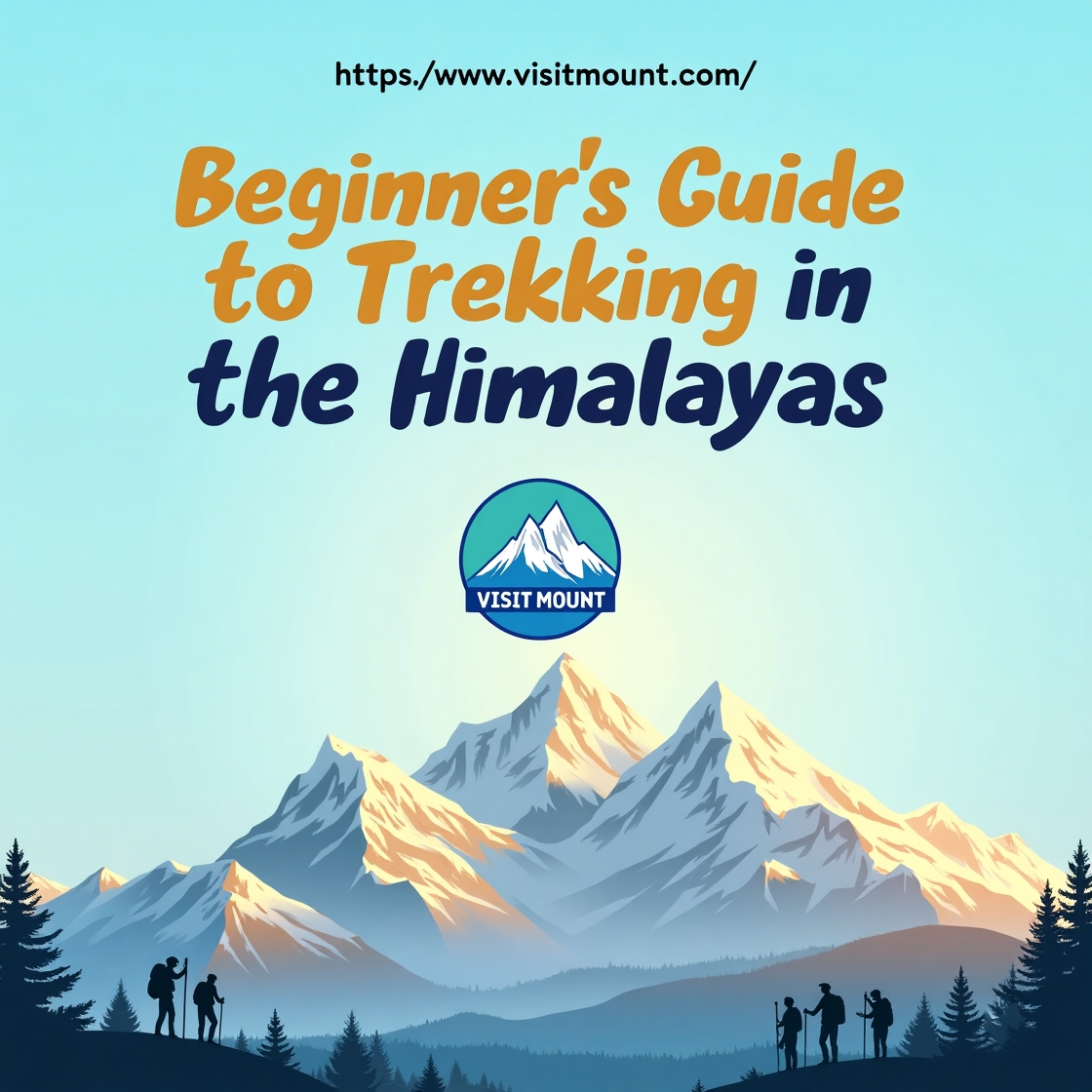
Embarking on a journey to the Himalayas is a dream for many, offering an unparalleled blend of majestic landscapes, rich cultures, and spiritual serenity. For those contemplating their inaugural visit, this Beginner Guide to Himalayas For First-Time Visitors is designed to demystify the planning process and equip you with essential knowledge. From choosing the perfect destination to navigating high altitudes and respecting local traditions, we’ll cover everything you need to know to transform your dream of exploring the world’s highest mountain range into a safe, unforgettable reality. Get ready to discover the magic that awaits in the heart of Asia.
Why Choose the Himalayas for Your First Adventure?
The Himalayas beckon with an irresistible allure, promising more than just a trip – an experience that transforms. For first-time visitors, the sheer scale and beauty are breathtaking, but it’s the profound sense of peace and adventure that truly captivates. This iconic mountain range offers a unique opportunity to connect with nature, challenge yourself, and immerse in ancient cultures.
Unveiling the Majestic Himalayan Experience
Imagine towering snow-capped peaks piercing the sky, lush valleys carpeted with wildflowers, and serene monasteries clinging to cliffsides. The Himalayas present a panorama of natural wonders that are simply unmatched. Each turn reveals a new vista, from glacial rivers carving through ancient rocks to dense forests teeming with unique wildlife. It’s a place where every sunrise paints the mountains in golden hues, and the night sky blazes with an unimaginable number of stars. This majestic beauty alone is reason enough for a beginner to venture into its embrace.
Diverse Landscapes for Every Beginner
One of the greatest advantages for new visitors to the Himalayas is the incredible diversity of experiences available. You don’t need to be an expert mountaineer to enjoy this region. There are countless options for gentle hikes, cultural tours, and serene retreats. From the bustling hill stations of India like Shimla and Manali, to the spiritual havens of Nepal’s Kathmandu Valley, or the serene monasteries of Bhutan, the Himalayas cater to all comfort levels and interests. You can opt for short, accessible treks that offer stunning views without extreme physical demands, making it an ideal destination for those taking their first steps into mountain travel.
Planning Your First Himalayan Journey: The Essentials
Careful planning is paramount for a successful and enjoyable trip to the Himalayas, especially for first-time visitors. Understanding the best times to go, selecting the right destination, and sorting out necessary paperwork will lay a solid foundation for your adventure.
Best Time to Visit the Himalayas for Newcomers
Timing your visit wisely can significantly enhance your Himalayan experience. Generally, the most favorable seasons for a Himalayan adventure for novices are spring (March to May) and autumn (September to November).
- Spring: Offers blooming rhododendrons, clearer skies, and moderate temperatures before the monsoon arrives. It’s perfect for lower to mid-altitude treks.
- Autumn: Considered the peak season, boasting crystal-clear views, stable weather, and comfortable temperatures after the monsoon rains have cleared the dust. This is ideal for most treks and cultural tours.
Avoid the monsoon season (June to August) due to heavy rainfall, landslides, and obscured views. Winter (December to February) can be beautiful but extremely cold, with many high-altitude routes becoming inaccessible due to snow.
Choosing Your Ideal Himalayan Destination
The vastness of the Himalayas means a wealth of choices. For first-time visitors to the Himalayas, it’s wise to start with well-established and accessible regions.
- Nepal: Offers iconic trekking routes like the Annapurna Base Camp (ABC) and Everest Base Camp (EBC) short treks. For a less strenuous option, consider the gentle trails around Pokhara or the cultural richness of the Kathmandu Valley.
- India: Features popular destinations such as Shimla, Manali, and Dharamshala in Himachal Pradesh, known for their stunning views and easy accessibility. Ladakh (Leh) in Jammu and Kashmir provides a unique high-altitude desert experience, though acclimatization is crucial.
- Bhutan: Known as the "Land of the Thunder Dragon," it offers exclusive, high-value cultural tours focused on its Buddhist heritage and pristine environment. Bhutan requires organized tours and a daily tariff, making it a very safe and structured option.
Consider your fitness level, interests (trekking, cultural immersion, relaxation), and budget when making your choice.
Visa and Permits: Navigating Himalayan Entry Requirements
Understanding the bureaucratic aspects is a crucial step in planning a trip to Himalayas.
- Visa: Most nationalities require a visa for India, Nepal, and Bhutan. Check the specific requirements for your country well in advance of your travel date. Online applications are often available.
- Permits: For trekking in restricted areas or national parks, especially in Nepal (e.g., TIMS card, National Park entry permits) and India (e.g., Inner Line Permit for Ladakh), you will need specific permits. These can often be arranged through a local trekking agency or upon arrival in major cities. Always carry copies of your passport, visa, and permits.
Essential Packing List for a Himalayan Novice
Packing smart is key to comfort and safety in the mountains. For your first trip, focus on versatility, layers, and essentials. This Himalayan trekking guide emphasizes practical items rather than excessive gear.
Clothing Layers for Mountain Comfort
The weather in the Himalayas can be unpredictable, even in the best seasons. Layering is your best friend.
- Base Layers: Moisture-wicking tops and bottoms (merino wool or synthetic) to keep you dry.
- Mid-Layers: Fleece jackets or lightweight down jackets for insulation.
- Outer Layer: A waterproof and windproof jacket and trousers to protect against rain and wind.
- Trekking Pants: Lightweight, quick-drying, and durable.
- Warm Hat, Gloves, Scarf: Essential for chilly evenings and higher altitudes.
- Socks: Several pairs of wool or synthetic trekking socks. Avoid cotton, as it retains moisture.
Footwear and Gear: Stepping Safely in the Himalayas
Your feet are your most important asset on a Himalayan journey.
- Hiking Boots: Sturdy, waterproof, and well broken-in hiking boots with good ankle support. Do not buy new boots just before your trip!
- Camp Shoes/Sandals: Comfortable footwear for evenings and rest days.
- Backpack: A comfortable daypack for daily essentials, and a larger trekking backpack (40-60L) if you’re carrying your own gear.
- Sleeping Bag: If trekking independently or staying in basic teahouses, a good quality sleeping bag (rated to 0°C or colder depending on altitude) is advisable.
- Trekking Poles: Highly recommended for stability and reducing strain on your knees, especially on descents.
- Water Bottle/Hydration Pack: Staying hydrated is crucial.
Health and Safety Kit for Your Himalayan Trip
A small, well-stocked first-aid kit is non-negotiable for safe travel Himalayas.
- Personal Medications: Any prescription drugs you need.
- Basic Pain Relievers: Paracetamol, ibuprofen.
- Antiseptic Wipes, Band-Aids, Blister Plasters: Essential for minor cuts and blisters.
- Diarrhea Medication: Imodium or similar.
- Water Purification Tablets/Filter: For ensuring safe drinking water.
- Sunscreen (high SPF), Lip Balm (with SPF), Sunglasses: Protection from intense mountain sun.
- Hand Sanitizer: For hygiene on the go.
- Insect Repellent: Depending on the region and season.
Staying Healthy and Safe in the High Altitudes
Altitude sickness is a genuine concern in the Himalayas. Understanding its symptoms and prevention is vital for high altitude travel tips and ensuring a pleasant journey for first-time visitors to the Himalayas.
Understanding and Preventing Altitude Sickness
Altitude sickness, or Acute Mountain Sickness (AMS), occurs when your body doesn’t adapt well to the lower oxygen levels at high elevations.
- Symptoms: Headache, nausea, dizziness, fatigue, shortness of breath, difficulty sleeping. These are common above 2,500 meters (8,000 feet).
- Prevention is Key:
- Acclimatize Slowly: Ascend gradually. "Climb high, sleep low" is a good principle.
- Rest Days: Incorporate rest days at higher altitudes to allow your body to adjust.
- Stay Hydrated: Drink plenty of water (3-4 liters per day).
- Avoid Alcohol and Caffeine: These can dehydrate you.
- Eat Carbohydrates: Your body processes carbs more efficiently at altitude.
- Medication: Consult your doctor about Diamox (acetazolamide) as a prophylactic, especially if you have a history of AMS or are ascending quickly.
- Descent is the Cure: If symptoms worsen, descend immediately. Do not ignore severe symptoms like confusion, severe headache, or difficulty walking, as these can indicate more serious conditions (HACE or HAPE).
Hydration and Nutrition on Your Himalayan Trek
Proper hydration and nutrition are fundamental for energy and well-being in the mountains.
- Hydration: Drink constantly, even if you don’t feel thirsty. Use water purification methods for stream water or buy bottled water (though try to minimize plastic waste). Herbal teas and soups are also excellent.
- Nutrition: Eat regular, balanced meals. Focus on complex carbohydrates like rice, pasta, and potatoes. Protein is important for muscle repair, and healthy fats provide sustained energy. Carry energy bars, nuts, and dried fruit for snacks. Avoid overly spicy or heavy foods that might upset your stomach.
Staying Connected and Emergency Preparedness
While the Himalayas offer a chance to disconnect, being prepared for emergencies is crucial.
- Communication: Mobile network coverage can be sporadic. Consider a local SIM card (available in major towns) for better connectivity where available. A satellite phone might be necessary for very remote treks.
- Emergency Contacts: Carry a list of emergency contacts, including your embassy, local trekking agency, and family members.
- Travel Insurance: Purchase comprehensive travel insurance that covers high-altitude trekking, medical emergencies, and evacuation. Read the fine print carefully.
- Guide/Porter: For first-time trekkers, hiring a local guide and/or porter is highly recommended. They provide invaluable local knowledge, safety, and support.
Navigating the Himalayas: Transport and Accommodation
Understanding the logistics of getting around and finding suitable lodging will make your Himalayan trip much smoother. Options vary greatly depending on your destination and budget.
Getting Around: From Flights to Local Transport
Reaching your Himalayan starting point usually involves a flight, followed by various ground transportation options.
- Flights: International flights typically land in major hubs like Delhi (India) or Kathmandu (Nepal). From there, domestic flights connect to regional airports closer to the mountains (e.g., Leh, Pokhara).
- Buses and Jeeps: These are the most common and economical forms of inter-town transport. They can be slow and sometimes uncomfortable on winding mountain roads, but offer an authentic local experience.
- Private Taxis/Cars: More expensive but offer greater comfort, flexibility, and speed. Good for small groups.
- Walking: Once in the trekking regions, walking is often the only way to get around, immersing you fully in the landscape.
Accommodation Options for First-Time Himalayan Travelers
Accommodation in the Himalayas ranges from luxurious to rustic, catering to different preferences and budgets.
- Hotels/Guesthouses: In major towns and cities, you’ll find a range of hotels, from budget-friendly guesthouses to mid-range and luxury options.
- Teahouses/Lodges: On popular trekking routes (especially in Nepal), teahouses offer basic lodging and meals. They are simple, often family-run, and provide a cozy shelter. Expect shared bathrooms and minimal amenities.
- Homestays: An excellent way to experience local culture and hospitality, offering a more intimate connection with local families.
- Camping: For more adventurous and self-sufficient trekkers, organized camping trips are available, often with full support staff. This is usually not recommended for absolute beginners unless part of an organized tour.
Embracing Local Culture and Responsible Tourism
A journey to the Himalayas is incomplete without engaging with its vibrant cultures and practicing responsible tourism. Showing respect for local traditions and the environment enhances your experience and benefits the communities you visit.
Cultural Etiquette: Respecting Himalayan Traditions
The Himalayas are home to diverse ethnic groups, each with unique customs, often deeply rooted in Buddhism or Hinduism.
- Dress Modestly: Especially when visiting temples, monasteries, or rural villages. Shoulders and knees should be covered.
- Remove Shoes: Before entering homes, temples, or monasteries.
- Use Your Right Hand: For giving, receiving, and eating, as the left hand is often considered impure.
- Ask Permission: Before taking photos of people, especially monks or children.
- Be Mindful of Monasteries: Walk clockwise around stupas, mani walls, and other religious structures. Spin prayer wheels clockwise.
- Bargaining: Is common in markets but do so respectfully and with a smile.
Sustainable Travel Tips for the Himalayas
Protecting the pristine environment of the Himalayas is a shared responsibility.
- Leave No Trace: Carry out everything you carry in. Dispose of waste properly, or pack it out.
- Minimize Plastic: Use a reusable water bottle and purification methods instead of buying bottled water.
- Support Local: Buy local products, eat at local establishments, and hire local guides and porters. This directly benefits the communities.
- Conserve Resources: Be mindful of water and electricity usage, especially in remote areas where resources are scarce.
- Stay on Trails: Avoid trampling vegetation or disturbing wildlife.
Engaging with Local Communities
Interacting with locals is one of the most enriching aspects of a Himalayan trip.
- Learn Basic Phrases: A few words in Nepali (Namaste), Hindi (Namaste), or Ladakhi (Juley) can go a long way in breaking the ice.
- Be Open and Friendly: A genuine smile and respectful curiosity can open doors to incredible cultural exchanges.
- Support Local Initiatives: Look for opportunities to support community-based tourism projects or local schools and health clinics.
Budgeting for Your First Himalayan Adventure
Understanding the potential costs involved is crucial for budgeting for your first Himalayan adventure. While the Himalayas can cater to all budgets, knowing where your money will go helps in planning.
Estimating Costs for a Himalayan Trip
Costs can vary widely based on destination, duration, style of travel, and whether you travel independently or with an agency.
- Flights: International flights will likely be your biggest expense. Domestic flights can add to this.
- Visas and Permits: Relatively small but necessary costs.
- Accommodation: Teahouses are very cheap ($5-15/night), while mid-range hotels can be $50-100+, and luxury options much more.
- Food: Meals in teahouses are affordable ($5-15/day). Restaurant meals in cities can be $15-30+/day.
- Transportation: Local buses are very cheap, private taxis are more expensive.
- Guide/Porter: If hiring, budget $25-50/day for a guide and $15-30/day for a porter, plus their food and accommodation.
- Gear Rental/Purchase: If you don’t own trekking gear, factor in rental or purchase costs.
- Travel Insurance: A non-negotiable expense, varies by coverage.
- Miscellaneous: Snacks, souvenirs, tips, emergency fund.
Smart Saving Tips for Beginners
Even on a budget, a fulfilling Himalayan trip is achievable.
- Travel Off-Peak: Prices for flights and accommodation can be lower during the shoulder seasons (e.g., late May/early June, early December).
- Choose Cheaper Destinations: Nepal and India are generally more budget-friendly than Bhutan.
- Eat Local: Opt for local eateries and traditional meals over tourist-oriented restaurants.
- Use Local Transport: Buses and shared jeeps are significantly cheaper than private transfers.
- Travel with a Group: Splitting costs for guides, porters, and private transport can save money.
- Pack Smart: Bring essential gear to avoid last-minute purchases at inflated prices.
Your Himalayan Adventure Awaits!
The Himalayas offer an experience unlike any other – a profound journey that touches the soul and challenges the spirit. As a first-time visitor, you now possess the foundational knowledge to plan an incredible adventure, from understanding the nuances of high-altitude travel to embracing the rich local cultures. Remember to approach your trip with an open mind, a sense of wonder, and a commitment to responsible tourism.
The majestic peaks, the warm smiles of the locals, and the serene tranquility of the mountains are ready to welcome you. So, take a deep breath, finalize your plans, and prepare to be captivated by the unparalleled beauty and mystique of the Himalayas. Your unforgettable journey begins now!





 Rismon Sianipar
 admin
admin