 rifanmuazin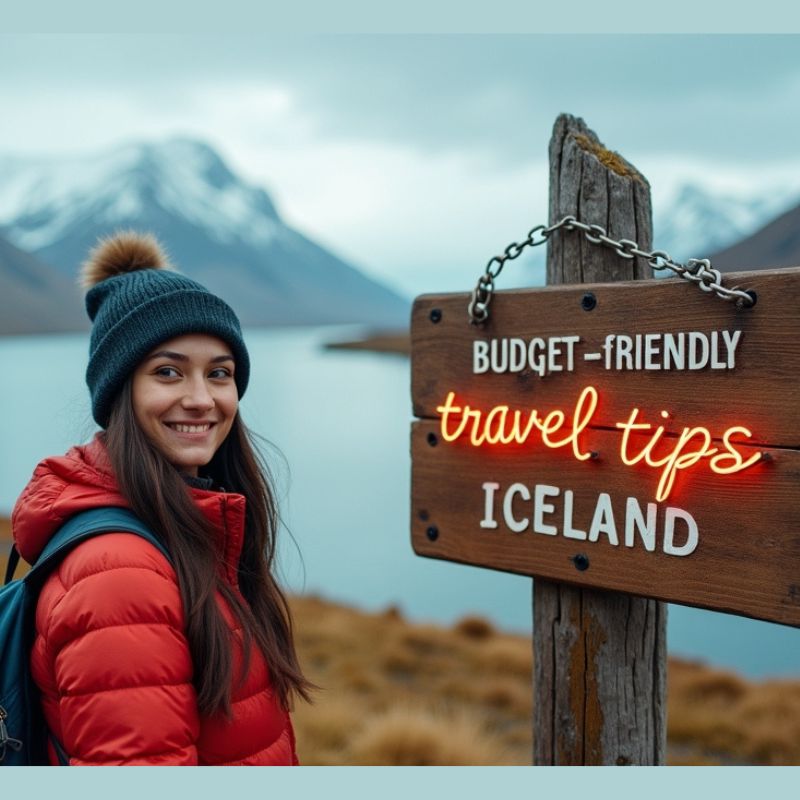
Iceland, the land of fire and ice, is a destination that captures the imagination with its dramatic landscapes, geothermal wonders, and vibrant culture. Often perceived as an expensive country, the dream of exploring its unparalleled beauty can seem out of reach for budget-conscious travelers. However, with careful planning and smart choices, a truly memorable and Budget-Friendly Guide to Iceland You Should Visit is entirely achievable. This comprehensive guide will equip you with practical tips, insider insights, and actionable strategies to experience the magic of Iceland without breaking the bank, proving that an epic adventure doesn’t have to come with an exorbitant price tag.
Unlocking Affordable Iceland Adventures: Your Dream Trip Within Reach
Many aspiring travelers hesitate to plan a trip to Iceland due to concerns about cost. While it’s true that some aspects of Icelandic travel can be pricey, a strategic approach allows you to significantly cut down expenses. The key lies in understanding where to save and how to maximize the incredible free experiences the country offers. From flights to food, every decision can impact your overall budget, transforming a seemingly expensive destination into an accessible dream.
Timing Your Icelandic Escape: When to Find Budget Deals
One of the most crucial factors in an affordable Iceland trip is timing. Traveling during the shoulder seasons (April-May and September-October) typically offers a sweet spot. During these months, you’ll find lower prices on flights and accommodation compared to the peak summer, and popular attractions are less crowded. The weather can be variable, but you’ll still enjoy longer daylight hours than in winter and have a good chance of seeing the Northern Lights in autumn.
Winter travel (November-March) can also be budget-friendly, especially for flights and some tours, but be prepared for shorter daylight hours and potentially challenging driving conditions due to snow and ice. The trade-off is the increased likelihood of witnessing the spectacular Aurora Borealis, a truly priceless experience. Conversely, avoid peak summer (June-August) if your primary goal is saving money, as this is when prices are at their highest and tourist numbers surge.
Smart Flight Strategies for Your Iceland Budget Trip
Flights are often the first major expense, but with a bit of savvy, you can secure reasonable fares. Flexibility with your travel dates is paramount; even shifting your departure or return by a day or two can yield significant savings. Utilize flight comparison websites like Skyscanner or Google Flights and consider setting price alerts.
Budget airlines, such as Play or EasyJet, frequently offer competitive routes to Keflavík International Airport (KEF), Iceland’s main international hub. Keep an eye out for flash sales and consider connecting flights, as direct routes might sometimes be more expensive. Booking your flights well in advance – typically 3 to 6 months out – is a golden rule for securing better deals and ensuring your Iceland travel costs stay manageable.
Accommodating Your Wallet: Affordable Stays in Iceland
Accommodation can quickly eat into your budget if you opt for high-end hotels. Fortunately, Iceland offers a range of wallet-friendly alternatives that still provide comfort and a unique experience. The trick is to explore options beyond the conventional and embrace a more communal or self-sufficient style of travel.
Embracing Iceland’s Budget Accommodation Options
Hostels are an excellent choice for cheap Iceland travel, particularly in Reykjavík and other major towns. They offer dormitory beds at significantly lower prices than hotels, and many also have private rooms. Hostels often come with shared kitchen facilities, which are invaluable for self-catering and saving on food expenses. Look for reputable chains like HI Hostels, which have locations across the country.
Guesthouses and farm stays provide a more intimate experience, often with breakfast included, and can be a good middle-ground option. For groups or longer stays, renting an Airbnb or VRBO with a kitchen can be incredibly cost-effective. These allow you to cook your own meals, making a substantial dent in your frugal Iceland travel budget.
Budget-Friendly Lodging Outside Reykjavík
While Reykjavík offers the most diverse range of accommodations, venturing into smaller towns and rural areas can sometimes uncover even better deals. Akureyri in the north, for instance, has a good selection of guesthouses and hostels. Camping is by far the most budget-friendly option, especially during the summer months (June to August). Iceland boasts numerous well-equipped campsites, and purchasing an Iceland Camping Card can offer significant savings if you plan to camp for multiple nights. This card provides access to dozens of campsites across the country for a single fee.
Savvy Transportation: Exploring Iceland Without Breaking the Bank
Getting around Iceland is another significant expense, but strategic planning can help you navigate its stunning landscapes without overspending. Your choice of transportation will largely depend on your itinerary, group size, and the time of year you visit.
Renting a Car on a Budget: Essential for Iceland Exploration
For many, renting a car is the ideal way to experience Iceland, offering unparalleled freedom and flexibility to explore at your own pace. If you’re traveling in a group, sharing the cost of a rental car and fuel makes it a highly cost-effective Iceland vacation. A small 2WD vehicle is perfectly adequate for the Ring Road during summer, but a 4WD is essential for F-roads (highland roads) and highly recommended for winter travel due to unpredictable weather.
Book your rental car well in advance, especially during peak season, to secure better rates. Be sure to compare prices from various rental companies and always consider additional insurance, particularly gravel protection, as many roads outside the main highways are unpaved. Remember that fuel prices in Iceland are high, so factor this into your budget.
Alternative Affordable Transport Methods in Iceland
While a rental car offers the most flexibility, it’s not the only option. Public buses serve some major towns and routes, though coverage is limited compared to driving yourself. For those on a very tight budget or solo travelers, hitchhiking is relatively common and accepted outside of Reykjavík, particularly along the Ring Road, but always prioritize safety.
Alternatively, consider multi-day organized tours. While seemingly expensive upfront, they often include transportation, accommodation, and guided excursions, which can sometimes be more economical than arranging everything individually, especially for specific routes like the Golden Circle or South Coast. Some companies also offer bus passes that allow hop-on, hop-off travel on specific routes, providing a structured yet flexible way to see the sights.
Dining on a Dime: Enjoying Icelandic Cuisine Affordably
Food and drink are notoriously expensive in Iceland, making self-catering your best friend for a budget-friendly Iceland itinerary. Eating out for every meal will quickly deplete your funds, so embrace the opportunity to cook and picnic.
Self-Catering in Iceland: Your Top Budget Food Strategy
The golden rule for saving money on food in Iceland is to grocery shop. Supermarkets like Bónus and Krónan are your most affordable options, easily recognizable by their pig logos. Stock up on staples like bread, skyr (Icelandic yogurt), cheese, pasta, instant noodles, and hot dogs. These stores also offer fresh produce, meats, and ready-made sandwiches.
If your accommodation has kitchen facilities – be it a hostel, guesthouse, or Airbnb – utilize them! Preparing your own breakfast, lunch, and dinner will save you hundreds of dollars over the course of your trip. Consider packing some non-perishable snacks and instant coffee from home to further reduce costs. Always carry a reusable water bottle, as Iceland’s tap water is among the cleanest and most delicious in the world – and it’s free!
Budget-Friendly Dining Experiences and Treats
While self-catering should be your primary strategy, you’ll still want to sample some local flavors. The famous Icelandic hot dog (pylsur) is a national institution and an incredibly cheap food Iceland option. Look for stands like Bæjarins Beztu Pylsur in Reykjavík. Many bakeries offer delicious pastries and coffee at reasonable prices, perfect for a quick breakfast or afternoon treat.
For more substantial meals, look for lunch specials (hádegistilboð) at restaurants, which are often significantly cheaper than dinner menus. Happy hour deals are also common in Reykjavík bars, allowing you to enjoy a local beer or wine without the hefty price tag. Embrace simple, hearty meals and save your splurges for one or two special dining experiences if your budget allows.
Free & Low-Cost Activities: Maximizing Your Iceland Experience Without Overspending
The best things in Iceland are often free, as the country’s main draw is its breathtaking natural beauty. From powerful waterfalls to dramatic black sand beaches, nature is your ultimate budget Iceland itinerary companion.
Embracing Iceland’s Natural Wonders on a Budget
Many of Iceland’s most iconic attractions come with no entrance fee, allowing you to immerse yourself in its landscapes without spending a dime. Marvel at the cascading power of waterfalls like Seljalandsfoss (where you can walk behind the falls!), Skógafoss, and the mighty Gullfoss. Wander along the stunning black sand beach of Reynisfjara with its basalt columns, or explore the geological wonders of Thingvellir National Park, a UNESCO World Heritage site where tectonic plates meet.
Hiking is another fantastic free activity. Countless trails crisscross the country, leading to hidden hot springs, panoramic viewpoints, and incredible vistas. For the ultimate free spectacle, embark on a self-guided Northern Lights hunt during the winter months. Simply drive away from city lights, find a dark spot, and hope for clear skies – it’s a truly unforgettable experience that costs nothing but your time and fuel. Instead of the costly Blue Lagoon, consider visiting local swimming pools (Sundlaugar) with their geothermally heated pools and hot tubs, offering a similar relaxing experience for a fraction of the price.
Affordable Cultural and City Explorations
Even in Reykjavík, there are plenty of low-cost and free activities. Take a leisurely stroll along the harbor, admire the distinctive architecture of Harpa Concert Hall, and visit the iconic Hallgrímskirkja church (exterior viewing is free, a small fee applies to go up the tower). Seek out the city’s vibrant street art scene, or join a free walking tour (tip-based) to learn about Icelandic history and culture from a local perspective. Many small towns also have charming local museums or art galleries with minimal entrance fees, offering a glimpse into regional heritage.
Essential Budget Travel Tips for Iceland: Save More, Experience More
Beyond the big-ticket items, numerous small choices can collectively lead to significant savings on your Icelandic adventure. Adopting smart spending habits and thorough planning will ensure you get the most out of your trip.
Planning Your Budget Iceland Trip: Key Considerations
Before you even leave home, invest in comprehensive travel insurance. While it’s an upfront cost, it can save you from immense financial strain if unexpected events occur. Pack wisely, bringing appropriate layered clothing for Iceland’s famously unpredictable weather, waterproofs, and sturdy hiking shoes to avoid buying expensive gear there. Consider purchasing alcohol at the duty-free shop upon arrival at Keflavík Airport if you plan to drink, as alcohol prices in Iceland are notoriously high.
Another smart move is to set a daily budget and meticulously track your expenses using an app or a simple notebook. This helps you stay accountable and identify areas where you might be overspending. Researching local events, festivals, or free concerts happening during your visit can also add unique experiences without extra cost.
Smart Spending Habits for Your Icelandic Adventure
Iceland is largely a cashless society, so using a credit or debit card is convenient. Opt for cards with no foreign transaction fees to avoid unnecessary charges. Always choose to pay in Icelandic Krona (ISK) when given the option at card terminals, rather than your home currency, as your bank will usually offer a better exchange rate.
Avoid impulse purchases of souvenirs; instead, focus on collecting memories through experiences. Look for local craft markets or smaller shops for unique, often more affordable, keepsakes. If you’re buying snacks or drinks on the go, check prices at gas stations versus grocery stores, as gas station convenience stores are typically more expensive. By consistently making conscious choices, you can significantly reduce your Iceland travel costs and make your budget stretch further.
Conclusion
Visiting Iceland on a budget is not just a pipe dream; it’s an achievable reality for the savvy traveler. By strategically planning your timing, opting for smart accommodation and transportation choices, embracing self-catering, and maximizing the plethora of free natural wonders, you can experience the breathtaking beauty and unique culture of this incredible nation without financial strain. From chasing the Northern Lights to hiking majestic glaciers and discovering hidden waterfalls, Iceland offers a wealth of unforgettable experiences that don’t require an overflowing wallet. So, take these tips to heart, start your planning, and prepare to embark on an incredible, Budget-Friendly Guide to Iceland You Should Visit – a journey that proves adventure truly is accessible to everyone.