
 Rismon Sianipar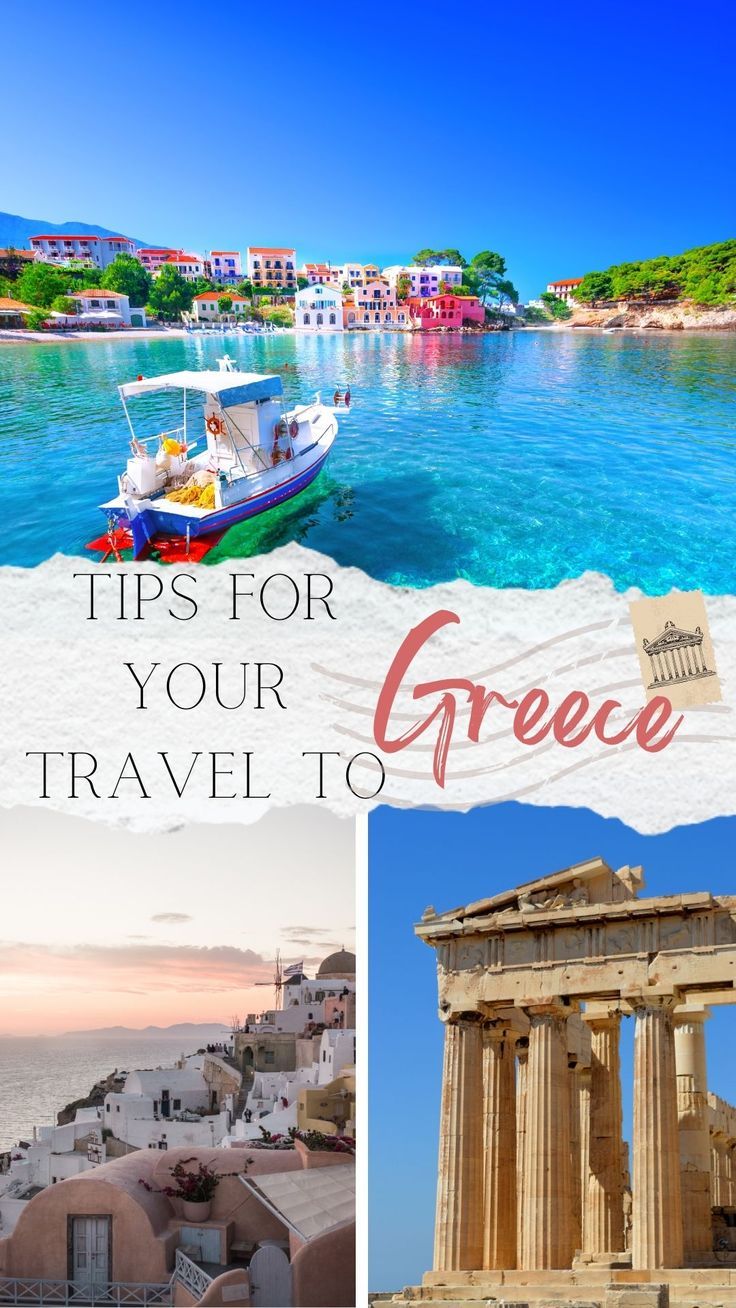
Embarking on a journey to Greece promises an unforgettable blend of ancient history, breathtaking landscapes, and vibrant culture. From the iconic whitewashed villages clinging to volcanic cliffs to the sapphire waters of the Aegean Sea, this Mediterranean gem captivates every traveler. To ensure your trip is as seamless and spectacular as the views, we’ve compiled essential tips for Greece you should visit, covering everything from optimal timing and cultural nuances to must-see destinations and practical advice. Prepare to unlock the secrets of this mesmerizing country and create memories that will last a lifetime.
Planning Your Greek Getaway: Initial Considerations for a Perfect Trip
Careful planning is the cornerstone of any successful vacation, and Greece is no exception. Before you even pack your bags, a few key decisions and preparations will significantly enhance your travel experience. Understanding the best time to visit, how to manage your budget, and what documents you’ll need are crucial first steps for any traveler heading to Greece.
Best Time to Visit Greece: Navigating the Seasons for Optimal Enjoyment
Choosing the right season can dramatically impact your Greek adventure. While summer (June to August) boasts glorious sunshine and warm waters, it also brings peak crowds and higher prices, especially in popular spots like Santorini and Mykonos.
- Spring (April to May): This shoulder season offers pleasant temperatures, blooming wildflowers, fewer tourists, and more affordable rates. It’s ideal for exploring archaeological sites and hiking.
- Autumn (September to October): Similar to spring, autumn provides warm sea temperatures perfect for swimming, along with a relaxed atmosphere and the harvest season’s culinary delights.
- Winter (November to March): While many islands quiet down, mainland Greece, particularly Athens, remains vibrant. Expect cooler weather, but enjoy historical sites without the crowds and experience local life at its most authentic.
For the most balanced experience, aim for the shoulder seasons. You’ll enjoy excellent weather without the overwhelming crowds or inflated costs of peak summer.
Budgeting for Your Greek Adventure: Smart Financial Planning for Travelers
Greece can cater to various budgets, from luxurious island escapes to affordable mainland explorations. However, smart financial planning is key to maximizing your experience without overspending.
- Accommodation: Prices vary wildly. Hostels and guesthouses on the mainland or less popular islands offer budget-friendly options, while luxury resorts in Santorini or Mykonos come with a premium. Booking in advance, especially during peak season, can secure better rates.
- Food: Eating like a local at tavernas and souvlaki stands is incredibly affordable and delicious. Avoid tourist traps for better value. Supermarkets are great for stocking up on snacks and breakfast items.
- Transportation: Ferries can be costly, particularly fast ones. Consider slower, cheaper options or domestic flights for longer distances. Public transport in cities is efficient and inexpensive.
- Activities: Many ancient sites offer combined tickets, saving money. Look for free walking tours in major cities.
Set a daily budget and track your spending to stay on course. Carrying some cash is also advisable, as not all smaller establishments accept cards.
Visa and Travel Documents: What You Need to Know Before Visiting Greece
Greece is part of the Schengen Area, meaning many nationalities can enter for up to 90 days within a 180-day period without a visa. However, always check the specific requirements for your nationality well in advance of your trip.
- Passport Validity: Ensure your passport is valid for at least six months beyond your intended departure date from the Schengen Area.
- Travel Insurance: This is highly recommended. It covers unforeseen circumstances like medical emergencies, trip cancellations, or lost luggage, providing peace of mind during your Greek travels.
- Proof of Onward Travel: You might be asked to show proof of a return ticket or onward travel.
- Accommodation Bookings: Having copies of your accommodation reservations can be helpful at immigration.
Double-check these requirements with your country’s foreign affairs office or the Greek embassy/consulate nearest you to avoid any last-minute complications.
Exploring Greece: Essential Tips for Getting Around and Settling In
Once your initial planning is complete, the next step is understanding how to navigate this diverse country. Greece offers a myriad of transportation options, connecting its ancient cities, stunning mainland, and countless islands. Knowing your choices for getting around and finding the perfect place to stay will ensure your exploration is as smooth as possible.
Transportation in Greece: Mastering Island Hopping and Mainland Travel
Greece’s unique geography, with its vast mainland and numerous islands, requires a flexible approach to transportation.
- Ferries: The most iconic way to travel between islands. Companies like Blue Star Ferries, Hellenic Seaways, and Seajets operate extensive routes. Book in advance, especially for popular routes or during peak season. Fast ferries are quicker but more expensive; slower conventional ferries offer a more leisurely (and often cheaper) journey.
- Domestic Flights: For longer distances or time-sensitive travel, domestic flights connecting major cities and islands (e.g., Athens to Crete, Rhodes, or Santorini) are a great option. Aegean Airlines and Sky Express are the main carriers.
- Buses (KTEL): Mainland Greece is well-served by an extensive and efficient bus network (KTEL). These are affordable and comfortable for intercity travel.
- Rental Cars: Renting a car offers unparalleled freedom, particularly for exploring the mainland or larger islands like Crete. Be aware that driving in central Athens can be challenging, and parking is scarce. An International Driving Permit is often required for non-EU license holders.
- Taxis & Ride-Sharing: Available in major cities and tourist areas. Ensure the meter is used or agree on a price beforehand. Ride-sharing apps like Beat (similar to Uber) operate in Athens.
Consider your itinerary and pace when choosing your transport. A combination of methods often works best for a comprehensive Greek experience.
Accommodation Choices: Where to Stay for Your Greek Adventure
Greece boasts an incredible range of accommodation, from luxurious resorts to quaint guesthouses, catering to every taste and budget.
- Hotels: Standard hotels are plentiful in all price ranges. Look for boutique hotels for unique experiences, especially in cities like Athens or charming island towns.
- Villas & Apartments: Ideal for families or groups, offering more space and privacy, often with self-catering facilities. Websites like Airbnb and Booking.com list numerous options.
- Guesthouses & B&Bs: Often family-run, providing a more personal touch and authentic local experience. Common in smaller towns and villages.
- Hostels: A budget-friendly option, particularly for solo travelers, found primarily in major cities and popular islands.
Tips for booking:
- Location is Key: Decide if you prefer being in the heart of the action, near a beach, or in a quieter area.
- Read Reviews: Always check recent reviews to gauge cleanliness, service, and accuracy of descriptions.
- Book in Advance: Essential for peak season, especially for highly sought-after locations like Oia in Santorini.
- Check Amenities: Confirm Wi-Fi, air conditioning, and breakfast options, as these can vary.
Choosing the right base will significantly impact your enjoyment and convenience while exploring the wonders of Greece.
Cultural Immersion: Embracing Greek Traditions and Local Flavors
Greece is more than just stunning scenery; it’s a living tapestry of ancient traditions, warm hospitality, and a culinary heritage that will tantalize your taste buds. Diving into the local culture enriches your travel experience, transforming it from a mere sightseeing trip into a genuine connection with the heart and soul of Greece.
Greek Cuisine: A Culinary Journey Not to Miss in Greece
Greek food is a highlight for many visitors, celebrated for its fresh ingredients, vibrant flavors, and healthy Mediterranean profile. Eating is a social event, and meals are meant to be savored.
- Must-Try Dishes:
- Souvlaki: Grilled meat skewers, often served in pita bread with tzatziki, tomatoes, and onions. A quintessential Greek street food.
- Moussaka: A rich, baked dish with layers of minced meat, eggplant, and béchamel sauce.
- Greek Salad (Horiatiki): Fresh tomatoes, cucumbers, bell peppers, red onion, Kalamata olives, and a slab of feta cheese, drizzled with olive oil and oregano.
- Seafood: Especially on the islands, fresh grilled fish, octopus, and calamari are divine.
- Tzatziki: A refreshing yogurt dip with cucumber, garlic, and dill.
- Spanakopita: Savory spinach and feta pie in phyllo pastry.
- Dining Etiquette: Greeks often eat late, especially dinner. Tavernas are traditional, casual eateries offering authentic dishes. Don’t be afraid to ask for recommendations or check out the kitchen (a common practice).
- Drink Like a Local: Try ouzo (anise-flavored aperitif), retsina (resinated wine), or a Greek coffee.
Embrace the concept of "siga siga" (slowly, slowly) when dining; enjoy the meal, the company, and the atmosphere.
Local Customs and Etiquette: Respecting Greek Culture During Your Visit
Greeks are generally warm and welcoming, but observing local customs shows respect and can enhance your interactions.
- Greetings: A simple "Kalimera" (good morning) or "Kalispera" (good evening) goes a long way. "Efharisto" means thank you.
- Dress Code: When visiting churches or monasteries, dress modestly. Shoulders and knees should be covered. Some sites might provide wraps if you’re not appropriately dressed.
- Tipping: Tipping is appreciated but not obligatory. Rounding up the bill or leaving a few extra euros in restaurants and cafes is common. For exceptional service, a 5-10% tip is generous.
- Photography: Always ask for permission before photographing individuals, especially in religious settings.
- Personal Space: Greeks are generally expressive, and conversations can be lively. Don’t be alarmed by close proximity or hand gestures; it’s part of the culture.
A little awareness of these customs will help you integrate more smoothly and show appreciation for the local way of life.
Learning Basic Greek Phrases: Enhancing Your Travel Experience in Greece
While English is widely spoken in tourist areas, making an effort to learn a few basic Greek phrases will be highly appreciated by locals and can open doors to more authentic interactions.
- Hello: Yiasas (plural/formal) / Yiasou (singular/informal)
- Good morning: Kalimera
- Good evening: Kalispera
- Please: Parakalo
- Thank you: Efharisto
- Yes: Ne
- No: Ohi
- Excuse me/Sorry: Signomi
- Do you speak English? Milate Anglika?
- How much is this? Poso kani afto?
Even a few words can break the ice and lead to memorable conversations, demonstrating your interest in their beautiful language and culture.
Must-See Destinations: Top Places to Visit in Greece for Unforgettable Moments
Greece is a treasure trove of iconic landmarks and hidden gems, offering a diverse range of experiences. Whether you’re drawn to ancient history, vibrant nightlife, or serene beaches, the country delivers. These essential tips for Greece you should visit include a glimpse into the destinations that truly capture the essence of this incredible nation.
Iconic Islands: Santorini, Mykonos, Crete, and Rhodes for Every Traveler
Greece’s islands are world-renowned, each offering a distinct flavor.
- Santorini: Famous for its breathtaking sunsets, whitewashed villages (Oia and Fira) perched on cliffs, and caldera views. Ideal for romantic getaways, luxury stays, and stunning photography. Book accommodation well in advance.
- Mykonos: The party island, known for its vibrant nightlife, chic beach clubs, and picturesque Chora (Mykonos Town) with its windmills and Little Venice. Great for those seeking excitement and glamour.
- Crete: Greece’s largest island, offering a diverse landscape from pristine beaches and rugged mountains to ancient ruins (Knossos Palace) and charming towns like Chania and Rethymno. Perfect for history buffs, nature lovers, and foodies.
- Rhodes: A historical powerhouse with a stunning medieval Old Town (a UNESCO World Heritage site), beautiful beaches, and ancient ruins like the Acropolis of Lindos. Appeals to history enthusiasts and beachgoers alike.
Beyond these, consider Naxos for family-friendly beaches, Paros for charming villages, or Zakynthos for the famous Shipwreck Beach.
Mainland Marvels: Athens, Delphi, and Meteora – Exploring Ancient Wonders
While the islands often steal the spotlight, mainland Greece is equally captivating, boasting archaeological wonders and unique geological formations.
- Athens: The historic capital, a sprawling city where ancient marvels meet modern life.
- Must-sees: The Acropolis (Parthenon, Erechtheion), Acropolis Museum, Ancient Agora, Plaka district, National Archaeological Museum.
- Tip: Purchase a combined ticket for archaeological sites to save money and time.
- Delphi: Nestled on the slopes of Mount Parnassus, this UNESCO World Heritage site was once considered the center of the world and home to the Oracle of Delphi. It offers stunning views and a profound sense of history. Easily accessible as a day trip from Athens.
- Meteora: A truly unique landscape where ancient monasteries are dramatically perched atop towering rock pillars. A UNESCO site, it’s a spiritual and visual spectacle. You can explore a few of the monasteries (some are still active). Renting a car or joining a guided tour from nearby Kalambaka is recommended.
Combining an island-hopping adventure with a mainland exploration provides a comprehensive and deeply enriching Greek travel experience.
Practical Advice for a Smooth Greek Vacation: Ensuring a Hassle-Free Trip
Beyond the cultural and destination insights, a few practical tips can make all the difference in ensuring your Greek vacation runs smoothly. From staying safe and healthy to keeping connected and packing smartly, these final pieces of advice will prepare you for any eventuality during your visit to Greece.
Health and Safety Tips for Travelers to Greece: Staying Well and Secure
Greece is generally a safe country for tourists, but like any destination, it’s wise to be prepared and take precautions.
- Sun Protection: The Greek sun can be intense, especially from May to September. Use high-SPF sunscreen, wear a hat, sunglasses, and seek shade during peak hours (12 pm – 3 pm).
- Hydration: Drink plenty of water to avoid dehydration, particularly when exploring archaeological sites or hiking. Tap water is generally safe to drink in most places, but bottled water is widely available.
- Petty Crime: Be aware of pickpockets, especially in crowded tourist areas of Athens (like the metro or Plaka). Keep an eye on your belongings, use a money belt, and avoid flashing valuables.
- Emergency Numbers: Dial 112 for the European emergency number (ambulance, police, fire department).
- Healthcare: EU citizens can use their European Health Insurance Card (EHIC). Non-EU citizens should ensure they have comprehensive travel insurance. Pharmacies (marked with a green cross) are abundant and can offer advice for minor ailments.
By being mindful of your surroundings and taking sensible precautions, you can enjoy Greece safely and without worry.
Staying Connected: Internet and Phone Options in Greece for Travelers
Staying connected is often a priority for travelers, whether for navigation, sharing experiences, or emergency communication. Greece offers several convenient options.
- Wi-Fi: Free Wi-Fi is widely available in hotels, cafes, restaurants, and some public areas. Speeds are generally good in urban centers.
- Local SIM Cards: Purchasing a local Greek SIM card (from providers like Vodafone, Cosmote, or Wind) is an affordable way to get data and local calls. You’ll need an unlocked phone and your passport for registration. Look for tourist-specific packages.
- eSIMs: For newer phones, an eSIM offers a convenient digital alternative to physical SIM cards, allowing you to activate a local plan before you even arrive.
- Roaming: Check with your home provider about international roaming charges. For EU citizens, roaming within Greece is typically free due to "Roam Like At Home" regulations.
Having reliable internet access will prove invaluable for navigating, looking up information, and staying in touch with loved ones.
Packing Smart: What to Bring for Your Greek Trip and Essential Items
Efficient packing can make your trip much more comfortable. Consider the season, your activities, and the diverse terrain of Greece.
- Clothing:
- Lightweight, breathable fabrics (cotton, linen) for summer.
- Swimwear and beach essentials.
- A light jacket or sweater for cooler evenings, even in summer.
- Modest attire (shoulders and knees covered) for visiting religious sites.
- Footwear:
- Comfortable walking shoes are essential for exploring ancient sites, cobbled streets, and cities.
- Sandals or flip-flops for beaches and casual wear.
- Hiking shoes if you plan on trekking.
- Essentials:
- Universal travel adapter (Greece uses Type C and F outlets).
- Portable power bank for your devices.
- Refillable water bottle.
- Small first-aid kit (band-aids, pain relievers, antiseptic wipes).
- Sunscreen, hat, and sunglasses.
- Insect repellent (especially for evenings).
- Copy of important documents (passport, insurance, bookings) stored separately.
Pack light where possible, especially if you plan on island hopping, as carrying heavy luggage on and off ferries can be cumbersome.
Making the Most of Your Greek Journey: Final Thoughts on Your Essential Greece Visit
Greece is a country that truly offers something for everyone, from the ancient ruins that whisper tales of mythology to the vibrant island life and the serene beauty of its natural landscapes. By following these essential tips for Greece you should visit, you’re not just planning a trip; you’re preparing for an immersive experience that will engage all your senses and leave you with a profound appreciation for its rich history and captivating culture.
Embrace the warmth of the Greek people, savor the delectable cuisine, get lost in the labyrinthine streets of old towns, and marvel at the timeless beauty of its archaeological treasures. Whether you’re chasing sunsets in Santorini, exploring the Acropolis in Athens, or discovering hidden coves on a secluded island, Greece promises an adventure unlike any other. So, pack your bags, prepare your spirit for wonder, and get ready to fall in love with the magic of Greece. Your unforgettable journey awaits!





 admin
admin
 rifanmuazin