 rifanmuazin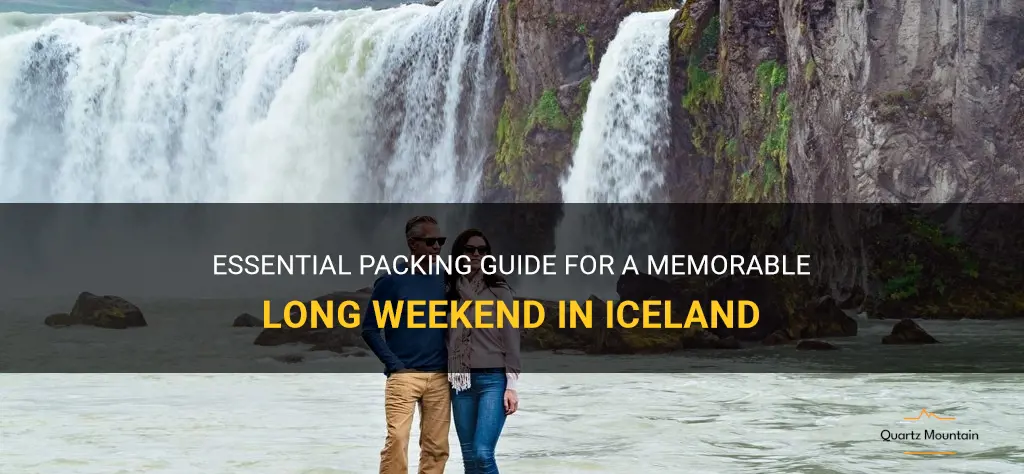
Understanding Iceland’s Unique Environment
Before you even begin packing, grasping Iceland’s distinctive environment is crucial. Its location near the Arctic Circle, coupled with volcanic activity, creates a landscape unlike any other, and its weather patterns are famously unpredictable.
Decoding Iceland’s Weather: Expect the Unexpected
Icelandic weather is legendary for its fickleness. Locals often joke, "If you don’t like the weather, just wait five minutes." You can experience sunshine, rain, hail, and strong winds all within a single hour, regardless of the season. This rapid changeability means that layers are not just recommended; they are absolutely essential. Strong winds are a constant companion, especially along the coast, amplifying the cold and making waterproof and windproof outer layers non-negotiable.
Seasonal Considerations for Your Iceland Trip
The time of year you visit profoundly impacts your experience and the type of preparation needed.
- Summer (June-August): Known for the Midnight Sun, offering nearly 24 hours of daylight. This is prime time for hiking, camping, and exploring the highlands (F-roads typically open mid-June/early July). Crowds are larger, and prices higher. Temperatures are mildest, but rain and wind are still common.
- Winter (November-March): The best season for chasing the Northern Lights (Aurora Borealis) and exploring ice caves. Days are short, with only 4-7 hours of daylight, but the snowy landscapes are stunning. Driving conditions can be challenging due to snow and ice.
- Shoulder Seasons (April-May & September-October): Offer a good balance. You might catch the Northern Lights in September/October, or enjoy longer days and fewer crowds in spring. Weather can be a mix of winter and summer conditions, making preparation for all eventualities even more critical. Puffins typically arrive in May and depart by mid-August.
Essential Packing List for Your Iceland Adventure
Preparing your luggage wisely is perhaps the most critical step for an enjoyable Icelandic trip. The right gear will protect you from the elements and allow you to fully immerse yourself in the natural beauty.
Layering Up: The Icelandic Way to Stay Warm and Dry
The key to comfortable exploration in Iceland is mastering the art of layering. This allows you to add or remove clothing as the weather dictates.
- Base Layers (Next to Skin): Opt for merino wool or synthetic materials that wick moisture away from your body. Avoid cotton, as it retains moisture and will make you cold. Pack both long-sleeve tops and bottoms.
- Mid-Layers (Insulation): Fleece jackets, down vests, or lightweight insulated jackets provide warmth. You might need one or two of these depending on the season and your tolerance for cold.
- Outer Layers (Shell): This is your protective shield. A high-quality waterproof and windproof jacket is non-negotiable. Look for GORE-TEX or similar breathable, durable materials. Complement this with waterproof and windproof pants, especially if you plan on hiking or spending extended time outdoors near waterfalls or glaciers.
Footwear for Icelandic Terrain: Choosing the Right Boots
Your feet will thank you for investing in appropriate footwear. Iceland’s terrain is varied, often wet, and can be uneven.
- Waterproof Hiking Boots: Choose sturdy, waterproof hiking boots with good ankle support and excellent grip. These are essential for navigating rocky paths, muddy trails, and slippery surfaces. Ensure they are well broken-in before your trip.
- Thermal Socks: Wool or synthetic socks will keep your feet warm and dry. Pack several pairs.
- Casual Shoes: A comfortable pair of sneakers or casual boots for city exploration or evenings out can be useful, but your hiking boots will be your primary footwear.
Don’t Forget These Iceland Travel Essentials
Beyond clothing, a few other items will significantly enhance your trip.
- Swimsuit: Absolutely essential for enjoying Iceland’s numerous hot springs, geothermal pools (Blue Lagoon, Secret Lagoon, Sky Lagoon), and public swimming pools.
- Hat, Gloves, Scarf: Even in summer, a warm hat, waterproof gloves, and a scarf will protect you from the biting wind.
- Sunglasses: The sun can be surprisingly bright, especially reflecting off snow and ice, or when it’s low in the sky during winter.
- Travel Adapter: Iceland uses Type F sockets (two round pins), the same as much of mainland Europe.
- Reusable Water Bottle: Iceland’s tap water is among the purest in the world. Save money and plastic by refilling your bottle frequently.
- Camera Gear: Don’t forget extra batteries, memory cards, and a tripod for Northern Lights photography or long exposures. A power bank for charging devices on the go is also handy.
- First-Aid Kit: Basic supplies like pain relievers, blister plasters, antiseptic wipes, and any personal medications.
- Eye Mask: Crucial for light sleepers during summer’s Midnight Sun.
Planning Your Iceland Itinerary: Making the Most of Your Time
With so much to see, a well-structured itinerary is key to a memorable experience without feeling rushed.
Renting a Car in Iceland: Your Key to Exploration
For most visitors, renting a car is the best way to explore Iceland at your own pace.
- Vehicle Choice: A 2WD car is generally sufficient for the main Ring Road (Route 1) during summer. However, a 4×4 vehicle is highly recommended for winter travel due to potential snow and ice, and it’s mandatory if you plan to venture onto F-roads (mountain roads, open only in summer).
- Insurance: Consider comprehensive insurance coverage, including gravel protection (very common in Iceland) and sand and ash protection (especially in areas prone to volcanic activity). Check your credit card benefits, but often additional local insurance is wise.
- Driving Conditions: Be prepared for strong winds that can make driving challenging, especially with larger vehicles. Always check road conditions (road.is) and weather forecasts before setting out.
Booking Accommodations and Tours in Advance
Iceland’s popularity means that accommodations and popular tours, especially during peak season, book up quickly.
- Accommodation: Book hotels, guesthouses, and cabins well in advance, particularly if traveling the Ring Road where options can be limited in smaller towns.
- Popular Tours: Glacier hikes, ice cave tours (winter only), whale watching, Northern Lights tours, and Golden Circle excursions are often in high demand. Secure your spots to avoid disappointment.
Crafting a Realistic Iceland Travel Plan
Don’t try to cram too much into each day. Iceland’s beauty lies in its vastness, and rushing through it can detract from the experience.
- Pace Yourself: Allow ample time to stop for photos, short walks, and simply to soak in the views. What looks like a short drive on a map can take longer due to weather, road conditions, or irresistible scenic pull-offs.
- Daylight Hours: Factor in the varying daylight hours depending on the season. Winter’s short days mean less time for sightseeing.
- Flexibility: While planning is important, build some flexibility into your itinerary to account for unexpected weather changes or spontaneous discoveries.
Financial Preparations for Your Journey to Iceland
Iceland is renowned for being an expensive destination. Understanding the costs and preparing your finances is a crucial step for a stress-free trip.
Budgeting for Your Icelandic Escape: Costs to Consider
A realistic budget will prevent any unpleasant financial surprises.
- Accommodation: This will likely be one of your largest expenses. Expect higher prices than in many other European countries.
- Transportation: Car rental, fuel, and potential bus or flight costs add up. Fuel is expensive.
- Food: Eating out can be pricey. Consider self-catering options (groceries from Bonus or Kronan supermarkets) to save money.
- Activities: Tours like glacier walks, boat trips, and museum entries contribute significantly to the overall cost. Many natural attractions are free, however.
Currency and Payment in Iceland
The local currency is the Icelandic Krona (ISK), but credit cards are king in Iceland.
- Credit Cards: You can pay for almost everything with a credit or debit card, even small purchases. Visa and Mastercard are widely accepted.
- ATMs: ATMs are available in most towns, but you’ll rarely need cash. It’s advisable to carry a small amount for emergencies or very small purchases, but it’s not strictly necessary.
- Contactless Payment: Most terminals support tap-and-go payments, adding convenience.
Health, Safety, and Connectivity: Staying Prepared in Iceland
While generally a safe country, Iceland’s wilderness demands respect and careful preparation to ensure your well-being and connectivity.
Staying Safe in Iceland’s Wilderness
Nature is powerful in Iceland, and safety precautions are paramount.
- Heed Warning Signs: Always pay attention to warning signs at attractions, especially near powerful waterfalls (like Reynisfjara beach with its dangerous sneaker waves) or geothermal areas.
- Stay on Marked Paths: This protects both you and the fragile Icelandic ecosystem. Off-roading is strictly forbidden and environmentally damaging.
- Inform Others: If you plan on hiking in remote areas, always inform someone of your route and expected return time.
- Emergency Number: The emergency number in Iceland is 112 for all services (police, fire, ambulance, search and rescue).
Health Considerations for Visiting Iceland
A few health-related preparations will ensure a smooth trip.
- Travel Insurance: Comprehensive travel insurance is highly recommended. It should cover medical emergencies, trip cancellations, and lost luggage.
- Sun Protection: Even on cloudy days, UV rays can be strong, especially reflecting off snow or ice. Pack sunscreen and lip balm with SPF.
- Stay Hydrated: The dry air and physical activity can lead to dehydration. Carry your reusable water bottle and drink plenty of Iceland’s pure water.
Staying Connected: SIM Cards and Wi-Fi in Iceland
Staying connected can be important for navigation, checking weather, and sharing your adventures.
- Local SIM Cards: Consider purchasing a local SIM card (from providers like Vodafone or Siminn) upon arrival for affordable data and calls. They are available at the airport or convenience stores.
- Pocket Wi-Fi: Some car rental companies offer portable Wi-Fi devices, which can be convenient for groups.
- Free Wi-Fi: Most hotels, guesthouses, cafes, and restaurants offer free Wi-Fi.
Embracing Icelandic Culture and Sustainability
A truly memorable experience extends beyond sightseeing; it involves engaging respectfully with the local culture and contributing to sustainable tourism.
Respecting Iceland’s Nature and Local Customs
Icelanders are fiercely proud of their pristine nature and unique heritage.
- Leave No Trace: Follow the principles of Leave No Trace. Pack out everything you pack in, and dispose of waste properly.
- Respect Private Property: Do not trespass on private land, even for a photo opportunity.
- Thermal Etiquette: When visiting geothermal pools, always shower naked before entering the water – it’s a hygienic custom and a sign of respect.
- Tipping: Tipping is not mandatory in Iceland as service charges are usually included. However, rounding up a bill or leaving a small tip for exceptional service is always appreciated.
Sustainable Travel Practices for an Eco-Conscious Iceland Trip
Help preserve Iceland’s delicate environment for future generations.
- Minimize Waste: Reduce plastic use by bringing reusable bags, water bottles, and coffee cups.
- Support Local Businesses: Choose local accommodations, restaurants, and tour operators to contribute directly to the Icelandic economy.
- Conserve Resources: Be mindful of your water and energy consumption, especially in remote areas where resources can be strained.
- Adhere to Rules: Follow all guidelines set by park rangers and tour guides, which are in place to protect the environment and ensure your safety.
Conclusion
Preparing for Iceland is more than just booking flights and packing a suitcase; it’s about understanding and respecting a truly extraordinary environment. By meticulously planning your wardrobe for its mercurial weather, crafting a thoughtful itinerary, budgeting wisely, and embracing sustainable travel practices, you set the stage for an unforgettable adventure. Iceland’s raw beauty and captivating charm await, promising memories that will last a lifetime. Go prepared, explore responsibly, and let the land of fire and ice weave its magic upon you.





 Rismon Sianipar
 admin
admin