
 rifanmuazin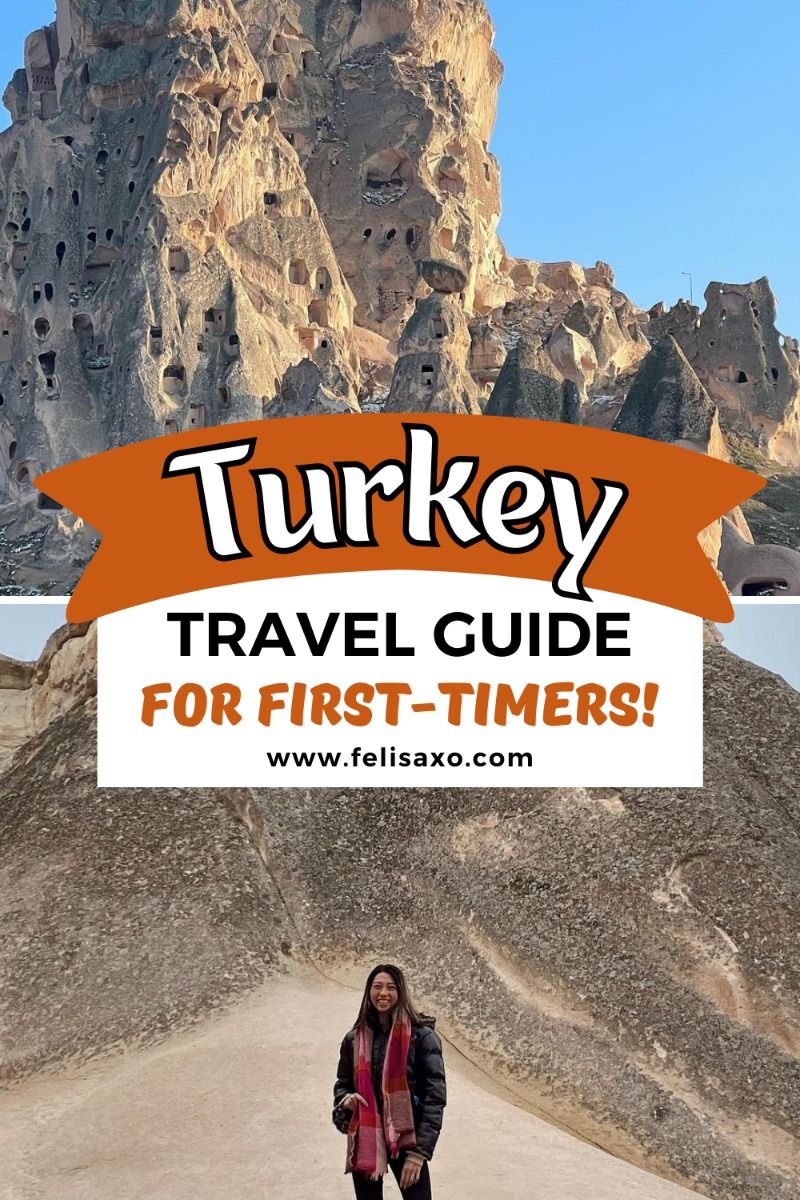
Essential Pre-Trip Preparations for Your Turkish Adventure
Before you even think about packing your bags, several crucial steps need to be addressed to lay the groundwork for a stress-free trip. Proper planning in these areas will save you time, money, and potential headaches later on.
Visa Requirements and Entry into Turkey
One of the first things to clarify is whether you need a visa to enter Turkey. Visa policies vary significantly by nationality, so it’s imperative to check the most current requirements well in advance of your travel date.
- e-Visa System: Many nationalities are eligible for an e-Visa, which can be easily obtained online through the official Turkish government website (www.evisa.gov.tr). This process is typically quick and straightforward.
- Visa-Free Entry: Citizens of certain countries may enjoy visa-free entry for specific durations. Always confirm the allowed stay period.
- Passport Validity: Ensure your passport is valid for at least six months beyond your intended departure date from Turkey. This is a common requirement for international travel and often strictly enforced.
- Supporting Documents: Depending on your nationality, you might also need proof of onward travel or hotel bookings. Keep digital and physical copies of all your travel documents.
Health and Safety Guidelines for Turkey Travelers
Your well-being is paramount. Taking proactive steps regarding health and safety will allow you to explore Turkey with peace of mind.
- Travel Insurance: This is non-negotiable. Comprehensive travel insurance should cover medical emergencies, trip cancellations, lost luggage, and personal liability. Research different policies to find one that best suits your needs.
- Vaccinations: Consult your doctor or a travel clinic about recommended vaccinations for Turkey. Common recommendations include routine vaccinations (MMR, DTP) and potentially Hepatitis A and B.
- Prescription Medications: If you take prescription drugs, carry them in their original packaging with a doctor’s note or prescription. Be aware of any restrictions on bringing certain medications into Turkey.
- Emergency Contacts: Save local emergency numbers (112 for all emergencies) and your country’s embassy or consulate contact information.
- Situational Awareness: While Turkey is generally safe for tourists, common sense precautions apply. Be aware of your surroundings, especially in crowded areas, and safeguard your belongings against pickpockets.
Managing Your Finances in Turkey
Understanding the local currency and payment methods will streamline your transactions throughout your trip.
- Turkish Lira (TRY): The official currency is the Turkish Lira. It’s advisable to have some local currency for small purchases, local markets, and tips.
- Credit and Debit Cards: Major credit cards (Visa, MasterCard) are widely accepted in hotels, restaurants, and larger shops, especially in tourist areas. American Express might have limited acceptance.
- ATMs: ATMs are readily available in cities and towns. Inform your bank of your travel plans to avoid card freezing due to suspicious activity. Be mindful of potential international transaction fees.
- Budgeting: Turkey can be quite affordable, but costs vary depending on your travel style. Budget for accommodation, food, transportation, activities, and souvenirs. Keep an eye on the exchange rate before and during your trip.
Packing Smart for Your Journey to Turkey
Packing efficiently is crucial for a comfortable trip. Consider the climate, your planned activities, and cultural sensitivities when choosing what to bring.
- Weather-Appropriate Clothing: Turkey experiences diverse climates. Summers are hot, especially inland, while winters can be cold and snowy, particularly in eastern regions. Spring and autumn offer pleasant temperatures. Pack layers that can be adjusted.
- Modest Attire: When visiting religious sites like mosques, women will need a headscarf (often provided at the entrance, but having your own is better) and modest clothing that covers shoulders and knees. Men should also dress respectfully.
- Comfortable Footwear: You’ll likely do a lot of walking, especially exploring historical sites and bustling bazaars. Comfortable walking shoes are essential.
- Essential Toiletries and Medications: While most items are available in Turkey, bring your preferred brands and any specific over-the-counter medications you might need.
- Travel Adapters: Turkey uses Type F (Schuko) and Type C (Europlug) sockets, with a voltage of 230V and a frequency of 50Hz. Bring a universal adapter if your devices don’t match.
Navigating Turkey: Getting Around and Staying Connected
Once you’ve arrived, knowing how to move between destinations and stay in touch will significantly enhance your travel experience.
Transportation Options in Turkey
Turkey boasts a well-developed transportation network, making it relatively easy to travel across the country.
- Domestic Flights: For long distances, especially between major cities like Istanbul, Ankara, Izmir, and Antalya, domestic flights are time-efficient and often reasonably priced. Turkish Airlines and Pegasus Airlines are major carriers.
- Intercity Buses (Otobüs): Turkey has an excellent, extensive, and comfortable bus network. Buses connect almost every town and city, offering a cost-effective and scenic way to travel. Look for major companies like Metro Turizm, Kamil Koç, and Pamukkale Turizm.
- Local Transport: In cities, you’ll find metros, trams, and public buses. Istanbul’s public transport system is particularly comprehensive.
- Dolmuş: These shared minibuses operate on fixed routes but don’t have fixed stops. You can flag them down anywhere along their route. They are a convenient and authentic way to travel short distances within and between towns.
- Taxis and Ride-Sharing: Taxis are readily available. Ensure they use the meter or agree on a fare beforehand. Ride-sharing apps like BiTaksi are also popular in larger cities.
Staying Connected: SIM Cards and Wi-Fi in Turkey
Staying connected is vital for navigation, communication, and sharing your travel memories.
- Local SIM Cards: Purchasing a local SIM card is highly recommended upon arrival. Major providers include Turkcell, Vodafone, and Türk Telekom. You’ll need your passport to register the SIM. Prepaid data packages are affordable and offer good coverage.
- eSIMs: For compatible phones, an eSIM offers a convenient alternative, allowing you to activate a local plan digitally without swapping physical SIM cards.
- Wi-Fi Availability: Most hotels, cafes, and restaurants offer free Wi-Fi. Public Wi-Fi might be available in some city centers, but it’s often less reliable or requires local registration.
Language Basics: Essential Turkish Phrases for Travelers
While many people in tourist areas speak English, especially younger generations, learning a few basic Turkish phrases will go a long way in showing respect and enhancing your interactions with locals.
- Greetings:
- Merhaba (Hello)
- Günaydın (Good morning)
- İyi akşamlar (Good evening)
- Nasılsın? (How are you?)
- İyiyim, teşekkür ederim (I’m fine, thank you)
- Polite Phrases:
- Lütfen (Please)
- Teşekkür ederim (Thank you)
- Rica ederim (You’re welcome)
- Affedersiniz (Excuse me/Pardon me)
- Pardon (Excuse me – for getting attention)
- Asking for Help:
- Yardım eder misiniz? (Can you help me?)
- İngilizce konuşuyor musunuz? (Do you speak English?)
- Tuvalet nerede? (Where is the toilet?)
- Shopping/Dining:
- Ne kadar? (How much?)
- Hesap lütfen (The bill, please)
- Çok lezzetli! (Very delicious!)
Cultural Immersion and Etiquette: Enhancing Your Turkey Experience
Turkey is a country rich in history and tradition. Understanding and respecting local customs will lead to more meaningful interactions and a deeper appreciation of the culture.
Understanding Turkish Customs and Traditions
Turkish hospitality is legendary. Embrace it and show respect in return.
- Hospitality: Turks are incredibly welcoming. Accepting offers of tea or coffee, even from shopkeepers, is a common gesture of friendship.
- Respect for Elders: Show deference to older individuals.
- Shoes Off: When entering someone’s home or a mosque, it’s customary to remove your shoes. Look for shoe racks near the entrance.
- Bargaining: In bazaars and local markets, bargaining (pazarlık) is expected and part of the experience. Do it respectfully and with a smile. It’s generally not done in modern shops or restaurants.
- Personal Space: Turks tend to have a closer personal space than some Western cultures, especially during conversations.
Dress Code for Visiting Religious Sites in Turkey
Modesty is key when visiting mosques and other religious sites.
- For Women: You will need to cover your head, shoulders, and knees. A long skirt or trousers and a top with sleeves are appropriate. Carry a lightweight scarf in your day bag for this purpose.
- For Men: Shorts that expose the knees are generally not appropriate. Long trousers are preferred. Shoulders should also be covered.
- General Rule: Dress respectfully and avoid overly revealing clothing out of respect for the local culture, especially when visiting more conservative areas.
Dining Etiquette and Food Culture in Turkey
Turkish cuisine is a highlight of any trip. Savor the flavors and enjoy the social aspects of dining.
- Sharing Plates: Many Turkish meals involve sharing various mezes (appetizers) before the main course. Embrace this communal dining style.
- Tea Culture: Tea (çay) is an integral part of Turkish daily life and hospitality. Expect to be offered tea frequently, and don’t hesitate to accept.
- Tipping: Tipping is customary but not obligatory. In restaurants, a tip of 5-10% is appreciated if service charges aren’t included. For taxis, rounding up the fare is common.
- Breakfast: Turkish breakfast (kahvaltı) is a lavish affair, often consisting of various cheeses, olives, fresh bread, jams, eggs, and plenty of tea. Don’t miss it!
- Street Food: Indulge in delicious and affordable street food like simit (sesame bread rings), döner kebab, and roasted chestnuts.
Planning Your Turkey Itinerary: Must-Visit Destinations and Activities
Turkey offers an astounding array of attractions. Deciding where to go and what to see can be overwhelming, so here are some top recommendations.
Iconic Cities to Explore: Istanbul, Cappadocia, Antalya
These three destinations offer a fantastic cross-section of Turkey’s diverse appeal.
- Istanbul: The former capital of empires, Istanbul bridges two continents. Explore the Hagia Sophia, Blue Mosque, Topkapi Palace, Grand Bazaar, and enjoy a Bosphorus cruise. Allocate at least 3-5 days.
- Cappadocia: Famous for its surreal "fairy chimney" rock formations and ancient cave dwellings. A hot air balloon ride at sunrise is an absolute must-do experience. Hike through valleys and explore Göreme Open-Air Museum.
- Antalya: Located on the Mediterranean coast, Antalya offers beautiful beaches, ancient ruins (like Perge and Aspendos), and a charming old town (Kaleiçi). It’s a great base for coastal relaxation and historical exploration.
Hidden Gems and Unique Experiences in Turkey
Beyond the major tourist hubs, Turkey holds many lesser-known treasures.
- Ephesus: One of the best-preserved ancient Roman cities in the world, featuring the Library of Celsus and the Great Theater. A truly awe-inspiring archaeological site near Izmir.
- Pamukkale: Translated as "Cotton Castle," this natural wonder boasts stunning white travertine terraces filled with mineral-rich thermal waters. Combine it with a visit to the ancient city of Hierapolis.
- Black Sea Region: For a different side of Turkey, explore the lush, green mountains, tea plantations, and charming villages of the Black Sea coast, particularly around Trabzon and Rize.
- Gallipoli: A significant historical site for ANZAC forces, offering poignant memorials and battlefields from WWI.
- Turkish Bath (Hamam): Indulge in a traditional Turkish bath experience for relaxation and rejuvenation.
Best Time to Travel to Turkey
The ideal time to visit Turkey largely depends on your interests and preferred climate.
- Spring (April-May) and Autumn (September-October): These shoulder seasons offer the most pleasant weather across most of the country, with moderate temperatures perfect for sightseeing and outdoor activities. Crowds are also generally smaller than in summer.
- Summer (June-August): Hot and sunny, ideal for beach holidays on the Aegean and Mediterranean coasts. However, inland areas like Cappadocia and Istanbul can be very hot, and tourist sites will be crowded.
- Winter (November-March): Cooler temperatures, especially inland. Some areas like Cappadocia experience snow, offering a unique, picturesque landscape. Coastal areas are milder but many tourist services might be closed. It’s a great time for city breaks if you don’t mind the cold and want to avoid crowds.
Last-Minute Checks Before You Embark on Your Turkey Trip
With your bags nearly packed and itinerary set, a final checklist ensures nothing is overlooked.
Document Checklist for a Smooth Turkey Journey
Organizing your documents is paramount for a stress-free travel experience.
- Passport and Visa: Double-check their validity and have both physical and digital copies.
- Flight and Accommodation Bookings: Keep printouts and digital confirmations handy.
- Travel Insurance Policy: Know your policy number and emergency contact details.
- Driver’s License and International Driving Permit (if applicable): If you plan to rent a car.
- Credit/Debit Cards and Emergency Bank Contacts: Ensure your bank is aware of your travel.
- Photocopies: Carry photocopies of important documents in a separate bag from the originals.
Digital Preparedness: Apps and Offline Maps for Turkey
Leverage technology to make your trip even smoother.
- Google Maps (Offline): Download offline maps of the areas you’ll be visiting to navigate without an internet connection.
- Translation Apps: Google Translate or similar apps can be invaluable for bridging language barriers.
- Local Transport Apps: Apps like BiTaksi (for taxis) or Moovit (for public transport) can be helpful in larger cities.
- Banking Apps: Monitor your transactions and manage your finances on the go.
- Cloud Storage: Upload copies of all important documents to a secure cloud service for easy access.
Conclusion
Preparing for your trip to Turkey doesn’t have to be daunting. By following these complete travel tips, you’ll be well-equipped to navigate the country with confidence and fully immerse yourself in its wonders. From securing your visa and packing smart to understanding local customs and planning your itinerary, every step contributes to a richer, more enjoyable experience. Turkey is a land of endless discovery, offering everything from bustling bazaars and ancient ruins to stunning natural landscapes and warm hospitality. With a little foresight and preparation, you’re set to create unforgettable memories in this extraordinary destination. Get ready to embark on the adventure of a lifetime!





 Rismon Sianipar
 admin
admin