 rifanmuazin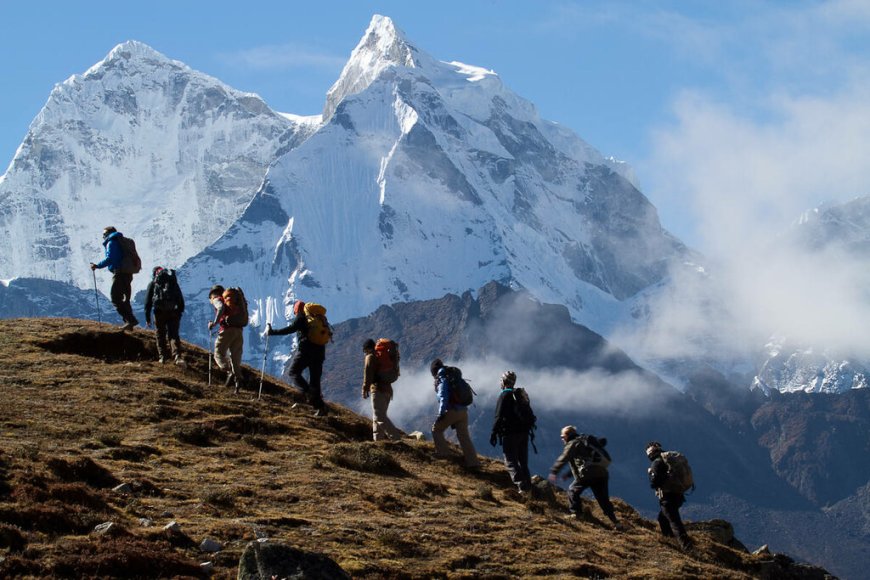
Dreaming of majestic peaks, serene monasteries, and breathtaking landscapes but worried about the cost? You’re in luck! This comprehensive guide will show you how to travel cheap in Himalayas with complete travel tips, proving that an unforgettable adventure among the world’s highest mountains doesn’t have to break the bank. From smart planning to on-the-ground savings, we’ll equip you with the knowledge to experience the Himalayas without compromising your budget or your wanderlust.
Why Choose the Himalayas for Budget Travel?
The Himalayas, stretching across several countries including India, Nepal, Bhutan, and Tibet, offer a diverse tapestry of cultures, spiritual experiences, and unparalleled natural beauty. While often perceived as an expensive destination, especially for trekking, many regions are surprisingly accessible and affordable, particularly if you adopt a local-first approach. The sheer scale of the mountains and the profound peace they offer make them an ideal destination for those seeking both adventure and introspection on a budget.
Unlocking Affordable Himalayan Adventures
The secret to a cheap Himalayan adventure lies in understanding local economies, embracing simplicity, and making informed choices. With a little planning and flexibility, you can immerse yourself in the mountain culture, trek stunning trails, and savor authentic cuisine without the premium price tag often associated with organized tours.
Pre-Trip Planning: The Foundation of Cheap Himalayan Journeys
Careful planning is the cornerstone of any budget trip, and the Himalayas are no exception. Strategic decisions made before you even pack your bag can significantly reduce overall expenses.
Best Time to Visit Himalayas on a Budget
Choosing the right time to visit can drastically impact costs.
- Shoulder Seasons (April-May, September-November): These are often ideal. While the weather is generally good, tourist crowds are thinner than peak season, leading to lower prices for accommodation and some services.
- Off-Peak/Monsoon (June-August): If you don’t mind rain and the occasional leeches, the monsoon season can offer incredibly lush landscapes and rock-bottom prices. Always check road conditions and potential for landslides.
- Winter (December-March): Some lower-altitude regions are beautiful and quiet, offering great deals. Higher passes might be closed, limiting trekking options, but it’s perfect for snow lovers and quiet retreats.
Smart Flight & Transport Bookings for the Himalayas
Transportation can be a major expense. Here’s how to minimize it:
- Book Flights in Advance: If flying into a major hub (e.g., Delhi, Kathmandu), book international and domestic flights well ahead of time. Use flight comparison websites and be flexible with dates.
- Embrace Local Transport: Once in the region, opt for buses, shared jeeps, and trains over private taxis. They are significantly cheaper, offer a more authentic experience, and connect most towns and villages. For example, a train journey from Delhi to Rishikesh followed by a local bus is far more economical than a direct flight.
- Consider Overnight Buses: For longer distances, an overnight bus saves on a night’s accommodation.
- Walk When Possible: Many smaller towns and trekking routes are best explored on foot, which is free and offers incredible views.
Visa and Permits: Essential for Himalayan Travel
Research visa requirements for the country you plan to visit (India, Nepal, Bhutan, etc.) well in advance. Visa fees are non-negotiable, but knowing them helps budget.
- Trekking Permits: Many popular trekking regions, especially in Nepal (e.g., Annapurna, Everest Base Camp) and parts of India (e.g., Spiti, Ladakh), require permits. Factor these costs into your budget. Some permits can be obtained on arrival or in regional offices, which is often cheaper than through tour operators.
- Restricted Area Permits (RAP): Certain sensitive border areas might require special permits. Research this thoroughly for your specific itinerary.
Accommodation Hacks for Budget Himalayan Trips
Where you sleep can heavily influence your travel budget. The Himalayas offer a range of affordable options beyond standard hotels.
Choosing Affordable Stays in the Mountains
- Guesthouses & Homestays: These are abundant, especially in trekking regions and smaller villages. They offer basic but comfortable rooms, often with home-cooked meals, for a fraction of hotel prices. You also get a chance to interact with locals.
- Hostels: Found in larger towns and tourist hubs, hostels are perfect for solo travelers, offering dorm beds, common areas, and opportunities to meet other budget travelers.
- Ashrams & Monasteries: In spiritual centers like Rishikesh or McLeod Ganj, some ashrams and monasteries offer simple accommodation for a nominal fee or even in exchange for volunteer work. This offers a unique cultural immersion.
- Tea Houses (Nepal): Along popular trekking routes in Nepal, tea houses provide basic food and lodging. The cost of accommodation is often very low (sometimes even free if you eat your meals there), making them ideal for trekkers.
Couchsurfing & Camping: Ultra-Cheap Himalayan Options
For the most adventurous and budget-conscious:
- Couchsurfing: Connect with locals willing to host travelers for free. This is not only budget-friendly but also offers an unparalleled cultural exchange. It requires planning and good communication.
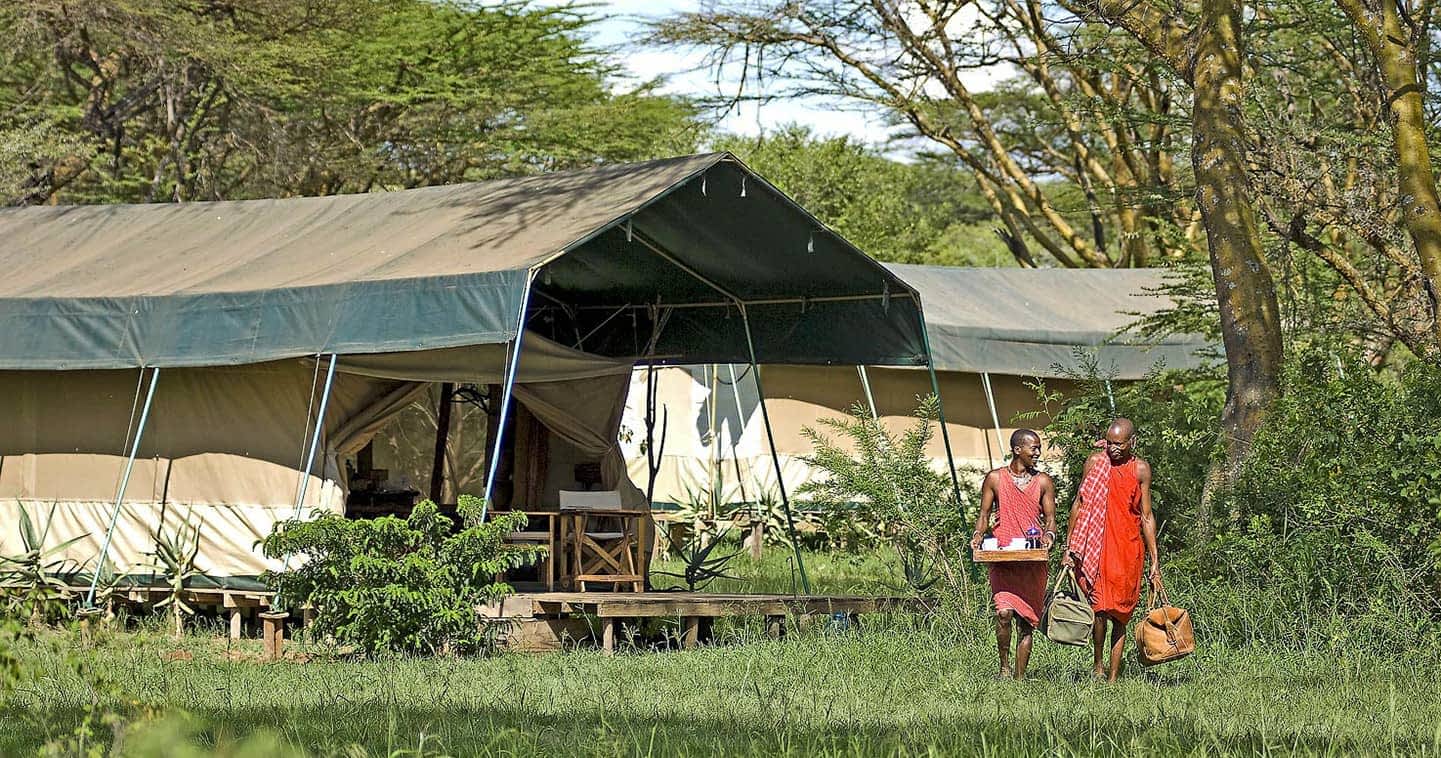
- Camping: If you have your own gear, camping can be incredibly cheap or even free in designated areas. Always check local regulations, obtain necessary permits, and practice Leave No Trace principles. Be prepared for varying weather conditions and potential wildlife.
Savvy Spending on Food & Drink in the Himalayas
Food is one of life’s great pleasures, and it needn’t be expensive in the Himalayas. Eating like a local is key.
Eating Like a Local: Delicious & Cheap Himalayan Cuisine
- Dhabas & Local Eateries: Avoid tourist-trap restaurants. Seek out local dhabas (roadside eateries in India) or small family-run restaurants. They serve authentic, fresh, and incredibly affordable meals like dal bhat (lentil soup with rice), momos (dumplings), thukpa (noodle soup), and various curries.
- Street Food: In towns and cities, street food offers a delicious and budget-friendly way to sample local flavors. Look for busy stalls, which often indicate freshness and popularity.
- Cook Your Own Meals: If staying in a hostel or homestay with kitchen facilities, buying fresh produce from local markets and cooking your own meals is a fantastic way to save money and enjoy fresh, healthy food.
Hydration & Snacks: Saving Money on the Go
- Carry a Reusable Water Bottle & Purifier: Bottled water can add up and creates plastic waste. Invest in a good water filter or purification tablets/drops. Many guesthouses offer filtered water refills for a small fee or even free.
- Buy Snacks Locally: Instead of expensive imported snacks, buy local fruits, nuts, and biscuits from village shops. They’re cheaper and often healthier.
Trekking & Activities Without Breaking the Bank
The Himalayas are synonymous with trekking. You can experience their grandeur without hiring expensive tour companies.
DIY Trekking vs. Guided Tours: A Cost Comparison
- DIY Trekking: For well-marked, popular trails (e.g., parts of the Annapurna circuit, many trails in Himachal Pradesh), you can trek independently. This saves significantly on guide and porter fees. Just ensure you have good maps, navigation skills, and inform someone of your route.
- Hiring a Local Guide/Porter: For more challenging or remote treks, or if you prefer company, consider hiring a local guide or porter directly. This is often cheaper than booking through an agency and directly supports the local economy. Share the cost with other travelers if possible.
- Group Tours: While generally more expensive, sometimes joining an organized small group tour can be cheaper than a private bespoke tour, as costs like transport and guides are shared. Compare options carefully.
Free & Low-Cost Himalayan Experiences
- Village Walks: Simply wandering through local villages offers profound insights into mountain life and culture, all for free.
- Temple & Monastery Visits: Most religious sites are free to enter (donations are appreciated). These offer spiritual solace and architectural beauty.
- Enjoying the Views: The most spectacular views of the Himalayas are free for everyone to behold. Find a quiet spot, meditate, or simply soak in the majesty.
- Volunteering: Consider short-term volunteering opportunities in exchange for food and accommodation. This is a great way to give back and experience local life deeply.
Packing Smart for a Budget Himalayan Adventure
Efficient packing not only makes your journey smoother but also helps you avoid unnecessary purchases.
Essential Gear for Affordable Mountain Travel
- Layering is Key: Pack versatile layers of clothing rather than bulky items. This allows you to adapt to varying temperatures throughout the day and saves space.
- Multi-Purpose Items: A sarong can be a towel, a blanket, a skirt, or a head covering. Multi-tool knives, quick-dry clothes, and versatile footwear (e.g., sturdy hiking sandals) are invaluable.
- First-Aid Kit: A well-stocked personal first-aid kit is crucial. Buying medicines in remote areas can be expensive or unavailable. Include pain relievers, blister treatment, antiseptic wipes, and any personal medications.
- Reusable Items: Besides a water bottle, pack a reusable shopping bag, coffee cup, and cutlery to reduce waste and avoid small charges.
Avoiding Unnecessary Purchases on Your Trip
- Rent Gear: For specialized trekking gear like sleeping bags or down jackets, consider renting them in major towns (e.g., Kathmandu, Leh, Manali) rather than buying, especially if you won’t use them frequently.
- Second-Hand: Check local markets for second-hand clothing or gear, often at much lower prices.
- Leave Valuables at Home: Traveling with fewer valuables reduces the risk of loss or theft, and the stress associated with it.
Staying Safe & Healthy on a Budget in the Himalayas
Even on a budget, health and safety should never be compromised.
Health Preparedness for Cheap Himalayan Travel
- Travel Insurance: This is non-negotiable. Even for budget travelers, comprehensive travel insurance covering medical emergencies, evacuation (especially important in the mountains), and trip cancellation is vital. Read the fine print carefully.
- Basic Medical Supplies: As mentioned, a personal first-aid kit is a must.
- Altitude Sickness Awareness: Learn about Acute Mountain Sickness (AMS) symptoms and prevention. Acclimatize properly, ascend slowly, and stay hydrated. Don’t push yourself if you feel unwell.
- Vaccinations: Consult your doctor about recommended vaccinations for the region.
Safety Tips for Solo & Budget Travelers
- Inform Someone: Share your itinerary with a friend or family member back home.
- Local Advice: Always seek advice from locals about safe areas, trekking conditions, and potential risks.
- Trust Your Gut: If a situation feels unsafe, remove yourself from it.
- Stay Connected (When Possible): While embracing digital detox, ensure you have a way to contact help if needed (e.g., a local SIM card, satellite messenger for remote treks).
- Be Mindful of Valuables: Keep your money and important documents secure and out of sight.
Cultural Immersion & Ethical Budget Travel
Traveling cheap doesn’t mean sacrificing cultural respect or ethical practices. In fact, it often enhances them.
Respecting Local Culture While Saving Money
- Learn Basic Phrases: A few words in the local language (e.g., "Namaste," "Dhanyawad") go a long way in building rapport and can sometimes lead to better deals.
- Bargain Respectfully: In markets, polite bargaining is acceptable, but do so with a smile and avoid aggressive tactics. Remember that a small saving for you might be significant for a local vendor.
- Dress Appropriately: Especially when visiting religious sites, modest clothing shows respect and helps you blend in.
- Support Local Businesses: By staying in guesthouses, eating at local dhabas, and hiring local guides, you directly contribute to the local economy.
Giving Back: Responsible Tourism in the Himalayas
- Leave No Trace: Carry out everything you carry in. Dispose of waste responsibly. Avoid plastic whenever possible.
- Minimize Your Impact: Be mindful of water usage, especially in areas with scarcity.
- Small Contributions: Even a small donation to a local school or monastery, or buying handicrafts directly from artisans, can make a positive difference.
Conclusion
The allure of the Himalayas is undeniable, and with these complete travel tips, experiencing its grandeur on a budget is not just a dream, but an achievable reality. By embracing smart planning, local transport, affordable accommodation, and authentic dining, you can embark on a profound journey that enriches your soul without emptying your wallet. Remember, the true wealth of travel lies in experiences, connections, and memories, not in how much you spend. So, pack your bags, prepare your spirit, and get ready to discover the majestic, budget-friendly Himalayas!