 admin
admin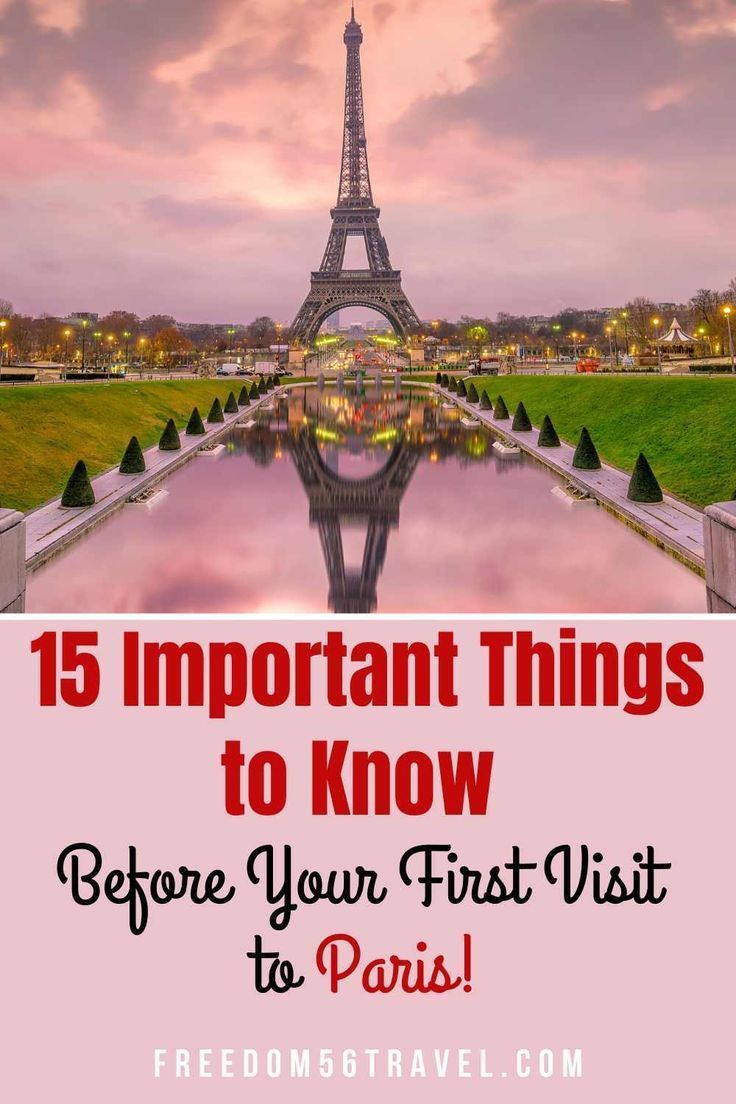
Embarking on a journey to France is a dream for many, a vibrant tapestry of history, art, culture, and culinary delights waiting to be explored. For first-time visitors, the sheer scope of possibilities can be both exciting and daunting. This comprehensive guide outlines Smart Ways to France For First-Time Visitors, ensuring your inaugural trip is not just memorable, but also smooth, enjoyable, and free from common travel anxieties. By focusing on strategic planning, cultural immersion, and practical tips, you can transform your French fantasy into a delightful reality.
Planning Your Maiden Voyage to France: Essential First Steps
The foundation of any successful trip lies in meticulous planning. For your first French adventure, a well-thought-out itinerary and understanding of logistics are paramount.
Deciphering Your French Adventure: Where to Go and When?
France offers an incredible diversity of experiences, from bustling cities to serene countryside. As a first-timer, deciding where to focus your energy is crucial.
- Paris: The iconic capital is often a non-negotiable for first-time visitors. Allow at least 3-5 days to soak in its famous landmarks like the Eiffel Tower, Louvre Museum, and Notre Dame.
- Provence: For a taste of the quintessential French countryside, think lavender fields, charming villages, and Roman ruins. Spring and early autumn are ideal.
- French Riviera: If glamorous beaches, azure waters, and chic towns like Nice and Cannes appeal, head south. Summer is peak season, but shoulder seasons offer pleasant weather and fewer crowds.
- Loire Valley: History buffs and romantics will adore the majestic châteaux, best explored by car or bike.
- Normandy: Rich in history, especially D-Day landing sites and the Mont Saint-Michel, this region offers a poignant and beautiful experience.
Consider the time of year carefully. Spring (April-May) and autumn (September-October) offer pleasant weather, fewer crowds, and often better prices. Summer (June-August) is vibrant but can be hot and crowded, especially in popular areas. Winter brings charming Christmas markets and opportunities for skiing, but some attractions may have reduced hours.
Smart Budgeting for Your First French Trip
Understanding and managing your finances is key to a stress-free trip. France can be as expensive or as affordable as you make it.
- Accommodation: Hotels in major cities can be pricey. Consider booking Airbnbs, guesthouses (chambres d’hôtes), or even hostels for budget-friendly options. Booking well in advance, especially during peak season, can secure better rates.
- Transportation: High-speed trains (TGV) are efficient but can be costly. Look for advance purchase discounts or consider regional buses for shorter distances. Walking is often the best way to explore cities.
- Food: While fine dining is a highlight, balance it with picnics from local markets, boulangeries (bakeries) for fresh sandwiches, and casual brasseries. Lunch menus often offer better value than dinner.
- Activities: Many museums offer free entry on the first Sunday of the month. Look into city passes if you plan to visit multiple attractions, as they can offer significant savings.
- Hidden Costs: Factor in travel insurance, international transaction fees, and a small buffer for unexpected expenses.
Setting a daily budget for food, activities, and souvenirs will help you stay on track and avoid overspending.
Navigating French Visa and Entry Requirements
For most first-time visitors, especially those from outside the EU, understanding visa requirements is essential.
- Schengen Area: France is part of the Schengen Area, meaning many nationalities (e.g., US, Canada, Australia) can enter for up to 90 days within a 180-day period without a visa for tourism purposes.
- ETIAS: From mid-2025, travelers from visa-exempt countries will need to obtain an ETIAS (European Travel Information and Authorisation System) authorization before their trip. Keep an eye on official updates.
- Passport Validity: Ensure your passport is valid for at least three months beyond your intended departure date from the Schengen Area. It should also have at least two blank pages for stamps.
- Required Documents: Be prepared to show proof of onward travel, accommodation bookings, and sufficient funds to cover your stay, though these are rarely requested upon entry for visa-exempt travelers.
Always check the latest official government guidelines for your specific nationality well in advance of your travel dates.
Efficient Travel & Accommodation Strategies for France Novices
Getting to and around France, and finding the perfect place to stay, can significantly impact your experience. Smart strategies can make these aspects seamless.
Booking Smart: Flights and Trains to Reach France
Your journey begins long before you set foot on French soil. Strategic booking can save you money and hassle.
- Flights:
- Book in Advance: Generally, booking flights 2-3 months ahead offers the best prices, especially for international routes.
- Flexibility: Being flexible with your travel dates (e.g., flying mid-week instead of weekends) can yield cheaper fares.
- Direct vs. Layover: While direct flights are convenient, flights with a layover can sometimes be significantly cheaper. Weigh the time savings against potential cost savings.
- Major Airports: Paris (CDG, ORY) is the primary entry point, but consider flying into regional airports like Nice (NCE) or Lyon (LYS) if your itinerary focuses on those areas.
- Trains (within Europe): If you’re traveling from another European country, France’s high-speed TGV trains are an excellent option. Book these tickets well in advance on sites like SNCF Connect to secure the best prices, as fares increase closer to the travel date.
Choosing Your French Home Away From Home: Accommodation Options
France offers a wide range of accommodation styles to suit every budget and preference.
- Hotels: From luxurious palaces to charming boutique hotels, these offer amenities, service, and often central locations.
- Chambres d’Hôtes (B&Bs): A wonderful way to experience local hospitality, often in picturesque settings, complete with a traditional French breakfast.
- Apartments (Airbnb, Booking.com): Ideal for longer stays, families, or those who prefer to cook some of their own meals. They offer more space and a local feel.
- Hostels: A budget-friendly option, particularly for solo travelers or those on a tight budget, offering dormitory beds and private rooms.
When booking, consider location carefully. Proximity to public transport, attractions, and amenities can save you significant travel time and costs. Always read recent reviews to ensure quality and reliability.
Getting Around France: A First-Timer’s Transport Guide
Once you’re in France, navigating its cities and regions is straightforward with a bit of planning.
- Trains: France’s rail network is excellent. The TGV connects major cities quickly, while regional trains (TER) serve smaller towns. This is often the most comfortable and scenic way to travel between regions.
- Buses: For shorter distances, particularly in rural areas or between smaller towns not served by train, buses are a more economical alternative.
- Rental Cars: For exploring the countryside, particularly areas like Provence or the Loire Valley, a rental car offers maximum flexibility. Ensure you understand French driving rules, have an international driving permit if required, and book automatic transmission in advance if you can’t drive manual.
- City Transport: Paris has an extensive Metro system, an absolute must for getting around. Most other major cities also have efficient tram and bus networks. Consider purchasing multi-day passes or carnets (books of tickets) for convenience and savings.
- Walking: Many French cities are best explored on foot. Wear comfortable shoes and embrace the flâneur spirit.
Mastering the French Experience: Culture, Cuisine & Communication
Beyond the logistics, immersing yourself in French culture, savoring its food, and attempting basic communication will elevate your first-time visit.
Embracing French Culture: Etiquette for First-Timers
A little cultural awareness goes a long way in making a positive impression and enhancing your experience.
- Greetings: Always greet shopkeepers, restaurant staff, and even strangers you interact with using "Bonjour" (good day) or "Bonsoir" (good evening) and "Au revoir" (goodbye). A simple "Excusez-moi" (excuse me) is polite when passing someone or needing attention.
- Dining Etiquette: Wait to be seated in restaurants. Keep your hands visible on the table (not in your lap). Tipping is appreciated but not mandatory, as service is included; rounding up or leaving a few euros for good service is common.
- Punctuality: While less strict for social gatherings, being on time for reservations or appointments is expected.
- Volume: French people tend to speak at a lower volume in public spaces. Be mindful of your own voice level, especially in quiet areas or on public transport.
- Dress Code: While France is fashionable, comfortable yet presentable attire is generally appropriate. Avoid overly casual clothing in cities or when visiting religious sites.
Savoring French Cuisine: A Culinary Journey
French food is a cornerstone of its culture, and exploring it is a highlight for any visitor.
- Must-Try Dishes: Don’t leave without trying croissants, baguettes, cheese, escargots, coq au vin, boeuf bourguignon, crêpes, and of course, wine.
- Dining Out Tips:
- Menus: Look for "Menu du Jour" or "Formule" for fixed-price lunch deals offering great value.
- Café Culture: Embrace the café experience. Order a coffee and watch the world go by.
- Markets: Visit local markets (marchés) for fresh produce, cheeses, cured meats, and other regional specialties. It’s a fantastic way to assemble a picnic.
- Patience: Dining in France is often a leisurely affair. Don’t expect rushed service.
- Beverages: Tap water is safe to drink and usually served upon request ("une carafe d’eau, s’il vous plaît"). Wine is a staple, but explore regional ciders and beers too.
Basic French Phrases: Your Key to Smoother Interactions
Even a few basic French phrases can make a huge difference in your interactions and show respect for the local culture.
- Greetings: Bonjour (hello/good day), Bonsoir (good evening), Au revoir (goodbye)
- Politeness: S’il vous plaît (please), Merci (thank you), De rien (you’re welcome), Excusez-moi (excuse me/sorry)
- Questions: Parlez-vous anglais? (Do you speak English?), Où est…? (Where is…?), Combien ça coûte? (How much does it cost?)
- Dining: L’addition, s’il vous plaît (The bill, please), Je voudrais… (I would like…)
- Numbers: Un, deux, trois (one, two, three) – knowing these helps with prices.
Most French people, especially in tourist areas, speak some English, but making an effort in French is always appreciated.
Staying Connected: Smart Communication in France
Staying connected helps with navigation, translation, and keeping in touch.
- Wi-Fi: Free Wi-Fi is available in many hotels, cafés, and public spaces.
- Local SIM Card: For reliable data and calls, consider buying a local prepaid SIM card (e.g., from Orange, SFR, Bouygues Telecom) upon arrival.
- eSIM: Many modern phones support eSIMs, allowing you to purchase a data plan online before you even arrive.
- Offline Maps: Download maps (Google Maps, Maps.me) for offline use to save data and battery.
Essential Tips for a Seamless First-Time Visit to France
Beyond the core planning, these practical tips will ensure your trip runs as smoothly as possible.
Packing Smart for Your French Getaway
Packing strategically prevents overpacking and ensures you have everything you need.
- Versatile Clothing: Pack layers suitable for varying temperatures. Include comfortable walking shoes, as you’ll likely do a lot of walking.
- Essentials: Adapters (Type E/F), portable charger, travel-sized toiletries, basic first-aid kit.
- Documents: Keep copies of your passport, visa, insurance, and bookings, both physical and digital.
- Security: A cross-body bag or money belt for valuables is recommended, especially in crowded tourist areas.
- Weather Appropriate: Check the forecast for your specific destinations and time of year. An umbrella or light rain jacket is always a good idea.
Money Matters: Handling Finances in France
Understanding how to manage your money will prevent any financial hitches.
- Currency: The Euro (€) is the official currency.
- Credit/Debit Cards: Major credit cards (Visa, Mastercard) are widely accepted. Inform your bank of your travel plans to avoid card freezes. Look for cards with no foreign transaction fees.
- ATMs: Easily found in cities and towns. Use bank-affiliated ATMs for better exchange rates and security.
- Cash: It’s wise to carry some cash for small purchases, markets, or places that might not accept cards (though less common now).
- Tipping: Service is included in France ("service compris"). Tipping an additional 5-10% for excellent service is customary but not obligatory. Rounding up the bill is also common.
Safety and Security: Protecting Yourself in France
France is generally safe, but like any popular tourist destination, vigilance is key.
- Pickpocketing: Be especially wary in crowded areas like major tourist attractions, public transport, and markets. Keep valuables secure and out of sight.
- Scams: Be aware of common tourist scams, such as distraction techniques.
- Emergency Numbers: 112 for all emergencies (police, ambulance, fire).
- Travel Insurance: Always purchase comprehensive travel insurance that covers medical emergencies, trip cancellations, and lost luggage.
- Local Laws: Familiarize yourself with basic local laws and customs.
Leveraging Technology: Apps and Tools for French Travel
Your smartphone can be your best travel companion.
- Navigation: Google Maps or Citymapper (especially good for Paris public transport).
- Translation: Google Translate or DeepL for quick translations.
- Communication: WhatsApp for messaging.
- Booking: Apps like TheFork (La Fourchette) for restaurant reservations, SNCF Connect for train tickets, and various accommodation apps.
- Weather: A reliable weather app.
Common Pitfalls to Avoid on Your First Trip to France
While planning is essential, avoiding common mistakes can significantly enhance your first-time French experience.
Over-Planning and Under-Experiencing
It’s tempting to cram as much as possible into your itinerary, but this can lead to burnout and a superficial experience.
- Be Flexible: Leave some wiggle room for spontaneous discoveries or simply enjoying a leisurely coffee.
- Deep Dive, Don’t Dash: Instead of rushing through 10 cities, consider spending more time in 2-3 regions to truly get a feel for them.
- Embrace the Pace: French culture values taking time to enjoy meals and conversations. Don’t rush your experiences.
Falling for Tourist Traps: Finding Authentic French Experiences
High-traffic tourist areas often come with inflated prices and less authentic experiences.
- Research Local Gems: Look beyond the main attractions. Ask locals for recommendations for restaurants or activities.
- Wander Off the Beaten Path: Take a detour down a side street; you might discover a charming square or a hidden patisserie.
- Visit Markets: Local markets are a fantastic way to experience daily French life and sample authentic regional produce.
Language Barriers: Don’t Let Them Deter You
While English is spoken in many tourist areas, not everyone will be fluent.
- Make an Effort: As mentioned, even a few basic French phrases go a long way.
- Use Translation Apps: Don’t be shy about using technology to help you communicate.
- Patience and Politeness: A smile and a patient attitude can bridge most communication gaps. Locals generally appreciate the effort.
Conclusion
Embarking on your first journey to France is an exciting prospect, promising a wealth of unforgettable memories. By adopting these Smart Ways to France For First-Time Visitors, you’re not just planning a trip; you’re crafting an experience. From strategic budgeting and efficient travel logistics to embracing cultural nuances and leveraging technology, every step you take will contribute to a smoother, richer, and more authentic French adventure. So, pack your bags, practice your "bonjours," and prepare to fall in love with the magic of France – your perfectly planned maiden voyage awaits!

 rifanmuazin