 Rismon Sianipar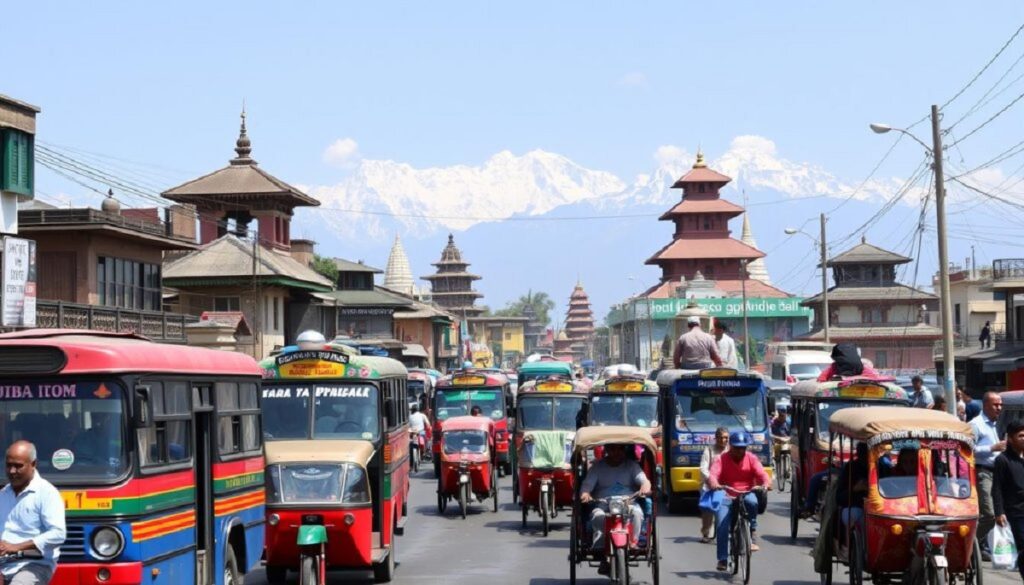
Nepal, a land of majestic Himalayas, ancient cultures, and unparalleled spiritual serenity, beckons travelers from across the globe. While guidebooks offer a standard itinerary, the true essence of this breathtaking country often lies beyond the well-trodden paths. To truly immerse yourself in its magic, understanding the Smart Ways to Nepal That Locals Recommend is invaluable. This guide delves into insider tips, practical advice, and authentic experiences, ensuring your journey through Nepal is not just a trip, but a profound cultural exchange and an unforgettable adventure, seen through the eyes of those who call it home.
Navigating Nepal Like a Local: Essential Travel Tips
Exploring Nepal authentically begins with adopting local travel habits. Moving around like a local not only saves money but also offers deeper insights into daily life. From bustling city streets to remote mountain trails, understanding the rhythm of Nepali transport and accommodation can transform your trip.
Embracing Local Transport in Nepal
Forget expensive taxis for every short hop. Locals primarily rely on a vibrant network of public transport.
- Buses and Microbuses: These are the backbone of inter-city and intra-city travel. They are incredibly affordable, albeit sometimes crowded. For longer journeys, consider booking a ‘tourist bus’ for a slightly more comfortable, though still budget-friendly, experience. Always ask locals for the right bus stop and route.
- Shared Jeeps: Especially popular for reaching trekking trailheads or remote villages, shared jeeps (locally known as "reserve" or "share") are a faster alternative to buses for certain routes. They depart once full, offering a communal and often scenic ride.
- Walking: In cities like Kathmandu and Pokhara, many attractions are within walking distance. This allows you to stumble upon hidden courtyards, local shops, and street art that you might miss otherwise. It’s also the best way to soak in the atmosphere.
- Bargaining: For taxis and rickshaws, always agree on the fare before starting your journey. Locals are adept at negotiating; a friendly smile and a firm but polite offer can go a long way.
Smart Accommodation Choices for an Authentic Nepal Experience
While luxury hotels are available, locals recommend opting for accommodations that offer a more intimate glimpse into Nepali life.
- Guesthouses and Homestays: These are often family-run establishments, providing not just a bed but also home-cooked meals and genuine hospitality. Staying in a guesthouse in a local neighborhood, or a homestay in a village, offers unparalleled opportunities to interact with your hosts and learn about their culture firsthand. Many homestays are found in trekking regions, offering comfort and cultural exchange.
- Community-Based Tourism: Several initiatives focus on community-based tourism, where your stay directly benefits local families and conservation efforts. These often come with unique cultural programs and local guides. Researching these options before you arrive can lead to incredibly rewarding experiences.
- Online Platforms: While major booking sites list many options, also check local travel forums or ask for recommendations once you arrive. Sometimes the best deals and most authentic stays are found through word-of-mouth.
Unveiling Hidden Gems: Beyond the Tourist Trail
While Kathmandu’s Durbar Square and Pokhara’s lakeside are must-sees, the true magic of Nepal often lies in its less-frequented spots. Locals know the best places to escape the crowds and find genuine connections.
Discovering Local Markets and Eateries in Nepal
Food is a cornerstone of Nepali culture, and local markets are a sensory feast.
- Ason Tole Market (Kathmandu): Forget the tourist shops; head to Ason Tole, a bustling traditional market where locals buy everything from spices and vegetables to textiles and daily necessities. It’s a vibrant, chaotic, and utterly authentic experience.
- Local Eateries (Bhattis and Bhojanalayas): Seek out the small, unassuming local eateries (known as bhattis or bhojanalayas). These serve delicious, fresh, and incredibly affordable Nepali staples like dal bhat (lentil soup, rice, and curries) and momos (dumplings). Don’t be shy; point to what others are eating or ask for the "daily special."
- Street Food Safety: While tempting, exercise caution with street food. Opt for vendors with high turnover, where food is cooked fresh in front of you and served hot. Pani puri and chatamari from reputable stalls are local favorites.
Off-the-Beaten-Path Treks and Nature Escapes in Nepal
Beyond the Everest Base Camp and Annapurna Circuit, Nepal boasts numerous stunning treks that offer solitude and spectacular views.
- Langtang Valley Trek: Often called the "valley of glaciers," Langtang offers breathtaking Himalayan scenery, Tamang culture, and diverse flora and fauna, without the crowds of some more famous routes. It’s a fantastic option for those seeking a challenging yet rewarding experience.
- Helambu Trek: Closer to Kathmandu, the Helambu trek is perfect for a shorter, less strenuous adventure. It takes you through charming Sherpa and Tamang villages, terraced fields, and rhododendron forests, offering stunning views of the Ganesh Himal range.
- Community Treks: Consider treks that focus on community development, where you stay in local homes and support village economies. The Gorkha region, for example, offers treks that combine historical sites with cultural immersion.
- Shivapuri Nagarjun National Park: Just outside Kathmandu, this national park offers excellent day hikes, bird watching, and a peaceful escape from the city’s hustle. Locals often go here for a quick dose of nature.
Experiencing Authentic Nepali Culture and Festivals
To truly appreciate Nepal, engage with its vibrant cultural tapestry.
- Local Pujas and Ceremonies: If you have the opportunity to be invited to a local puja (religious ceremony) or a family gathering, embrace it. These are profound experiences that offer a window into the spiritual heart of Nepal.
- Lesser-Known Festivals: While Dashain and Tihar are major festivals, inquire about local village festivals or temple celebrations. These often involve traditional music, dance, and rituals that are less tourist-oriented and more authentic.
- Visit Smaller Temples and Stupas: Beyond Swayambhunath and Boudhanath, explore smaller, neighborhood temples. They often have a more intimate atmosphere and are frequented by local devotees, offering a quieter space for reflection.
Savvy Spending: Budgeting Like a Nepali
Nepal can be an incredibly affordable destination if you know how to manage your finances like a local. Smart budgeting doesn’t mean sacrificing experience; it means optimizing your spending for maximum value and authenticity.
Smart Ways to Handle Money in Nepal
Understanding the local currency and transaction norms is crucial for savvy spending.
- Nepali Rupees (NPR): The local currency is essential. While some tourist establishments accept USD or credit cards, always carry a good amount of NPR, especially smaller denominations (100, 50, 20 rupees) for local transport, markets, and small purchases.
- ATMs and Banks: ATMs are widely available in major cities like Kathmandu and Pokhara, but can be scarce in rural areas. Inform your bank of your travel plans to avoid card issues. Keep some emergency cash in a secure place.
- Bargaining Etiquette: Bargaining is common in markets and small shops, but do so respectfully and with a smile. It’s a negotiation, not a confrontation. For daily necessities and food in local eateries, prices are generally fixed.
- Hidden Costs: Be aware of potential extra charges, especially in tourist areas. Always clarify what’s included in the price for tours, treks, or services.
Eating Affordably and Authentically in Nepal
Food is where you can save significantly while enjoying the true flavors of Nepal.
- Dal Bhat Power 24 Hour: This local saying perfectly encapsulates the affordability and sustained energy of dal bhat. Many local eateries offer unlimited refills of rice, dal, and vegetable curries for a fixed, low price. It’s a complete and nourishing meal.
- Local Bakeries: Look for small local bakeries (especially in trekking regions) that sell fresh bread, cookies, and pastries at a fraction of the cost of tourist cafes.
- Avoid Tourist Traps: Restaurants in highly touristy areas often charge inflated prices for average food. Venture a few streets away from the main tourist hubs, and you’ll find better food at better prices. Ask your guesthouse owner or a local for their favorite spots.
Finding Value in Souvenirs and Local Crafts
Bring home meaningful souvenirs without overspending by shopping smart.
- Handicraft Zones: Visit areas known for local crafts, such as Patan Durbar Square for metalwork and Thamel’s smaller alleys for pashmina and singing bowls. Buying directly from artisans or small, family-run shops often ensures fairer prices and supports local communities.
- Quality over Quantity: Focus on buying a few high-quality, authentic items rather than many cheap trinkets. Look for "Made in Nepal" labels, especially for items like cashmere, thankas, and handmade paper products.
- Fair Prices: While bargaining is common, be mindful of offering a fair price that respects the artisan’s work. A good rule of thumb is to offer about 20-30% less than the initial asking price and meet somewhere in the middle.
Connecting with Locals: The Heart of Nepali Hospitality
The warmth and friendliness of the Nepali people are legendary. Engaging with locals is not just a polite gesture; it’s the gateway to understanding the country’s soul and making your trip truly special.
Learning Basic Nepali Phrases for a Richer Journey
A few simple phrases can open doors and hearts.
- "Namaste" / "Namaskar": The universal greeting. Use it with a slight bow and folded hands. It shows respect and is always appreciated.
- "Dhanyabad": Thank you.
- "Kasto Chha?": How are you?
- "Ramro Chha": It’s good / I’m fine.
- "Malai maaf garnus": Excuse me / I’m sorry.
- "Mitho Chha": It’s delicious (for food).
- "Kati ho?": How much is it?
Locals are usually delighted when foreigners attempt to speak Nepali, even if imperfectly. It bridges cultural gaps instantly.
Respecting Local Customs and Traditions in Nepal
Cultural sensitivity is paramount for a harmonious visit.
- Dress Modestly: Especially when visiting temples, monasteries, or rural areas, dress modestly. Shoulders and knees should be covered. Remove shoes before entering temples or homes.
- Temple Etiquette: Walk clockwise around stupas and temples. Do not touch religious artifacts or offer food that has been tasted. Ask permission before taking photos of people, especially monks or priests.
- Head and Feet: The head is considered sacred, so avoid touching someone’s head. Feet are considered impure, so avoid pointing your feet at people or religious objects.
- Eating and Drinking: Use your right hand for eating and passing food or money. The left hand is considered impure. Avoid public displays of affection.
Engaging with Communities for a Meaningful Nepal Visit
Beyond sightseeing, seek opportunities to connect and contribute.
- Support Local Businesses: Choose local guesthouses, restaurants, and tour operators. Your money directly benefits the Nepali economy and local families.
- Ethical Volunteering: If interested in volunteering, research reputable organizations that truly benefit the community and do not displace local jobs. Short-term, unskilled volunteering is often counterproductive; consider supporting projects financially or through skilled contributions.
- Cultural Exchange: Be open to conversations. Many Nepalis are curious and eager to share their culture. Listen to their stories, ask questions respectfully, and share a bit about your own background. This two-way exchange is the most rewarding aspect of travel.
- Homestay Experiences: As mentioned before, homestays are excellent opportunities for deep cultural immersion. Participating in daily chores, cooking, or simply sharing meals with a family can be incredibly enriching.
Essential Preparations for Your Nepal Adventure
A well-prepared traveler is a happy traveler. Locals emphasize practical readiness for Nepal’s diverse environments and potential challenges.
Packing Smartly for Diverse Nepali Climates
Nepal’s topography means weather can vary dramatically from the lowlands to the high Himalayas.
- Layers are Key: Pack versatile clothing that can be layered. Even in warmer months, evenings can be cool. For trekking, a good quality down jacket, fleece, waterproof outer shell, and thermal base layers are essential.
- Footwear: Sturdy, comfortable walking shoes are a must, whether for city exploration or light hikes. If trekking, invest in broken-in hiking boots.
- Essentials: Don’t forget sunscreen, a wide-brimmed hat, sunglasses, a reusable water bottle (to reduce plastic waste), a small first-aid kit, and insect repellent. A headlamp or flashlight is also invaluable, especially outside major cities where power outages can occur.
Health and Safety Tips for Traveling in Nepal
Prioritizing your health and safety ensures a smoother, more enjoyable trip.
- Water Safety: Drink only bottled or filtered water. Many guesthouses and cafes offer refilling stations, or you can use water purification tablets/filters. Avoid ice in drinks unless you’re sure it’s made from purified water.
- Vaccinations: Consult your doctor well in advance about recommended vaccinations (e.g., Hepatitis A & B, Typhoid, Tetanus).
- Travel Insurance: Comprehensive travel insurance is non-negotiable, especially if you plan to trek. Ensure it covers medical emergencies, evacuation (especially for high-altitude trekking), and trip cancellation.
- Altitude Sickness: If trekking at high altitudes, be aware of the symptoms of Acute Mountain Sickness (AMS). Acclimatize properly, ascend slowly, stay hydrated, and do not ignore symptoms.
- Local Advice: Always heed advice from local guides, guesthouse owners, or fellow travelers regarding safety, current conditions, or specific areas.
Embrace the Local Way for an Unforgettable Journey
Embarking on a journey to Nepal with the insights of locals transforms a standard tourist trip into an immersive adventure. By embracing local transport, seeking out hidden culinary gems, venturing off the beaten path, and respectfully engaging with the vibrant Nepali culture, you unlock a deeper understanding and appreciation for this magnificent country. The Smart Ways to Nepal That Locals Recommend are not just about efficiency or saving money; they are about fostering genuine connections and experiencing the authentic heart of the Himalayas. So, pack your bags, open your mind, and prepare for a truly enriching and unforgettable Nepali odyssey.






 admin
admin