 Roy Suryo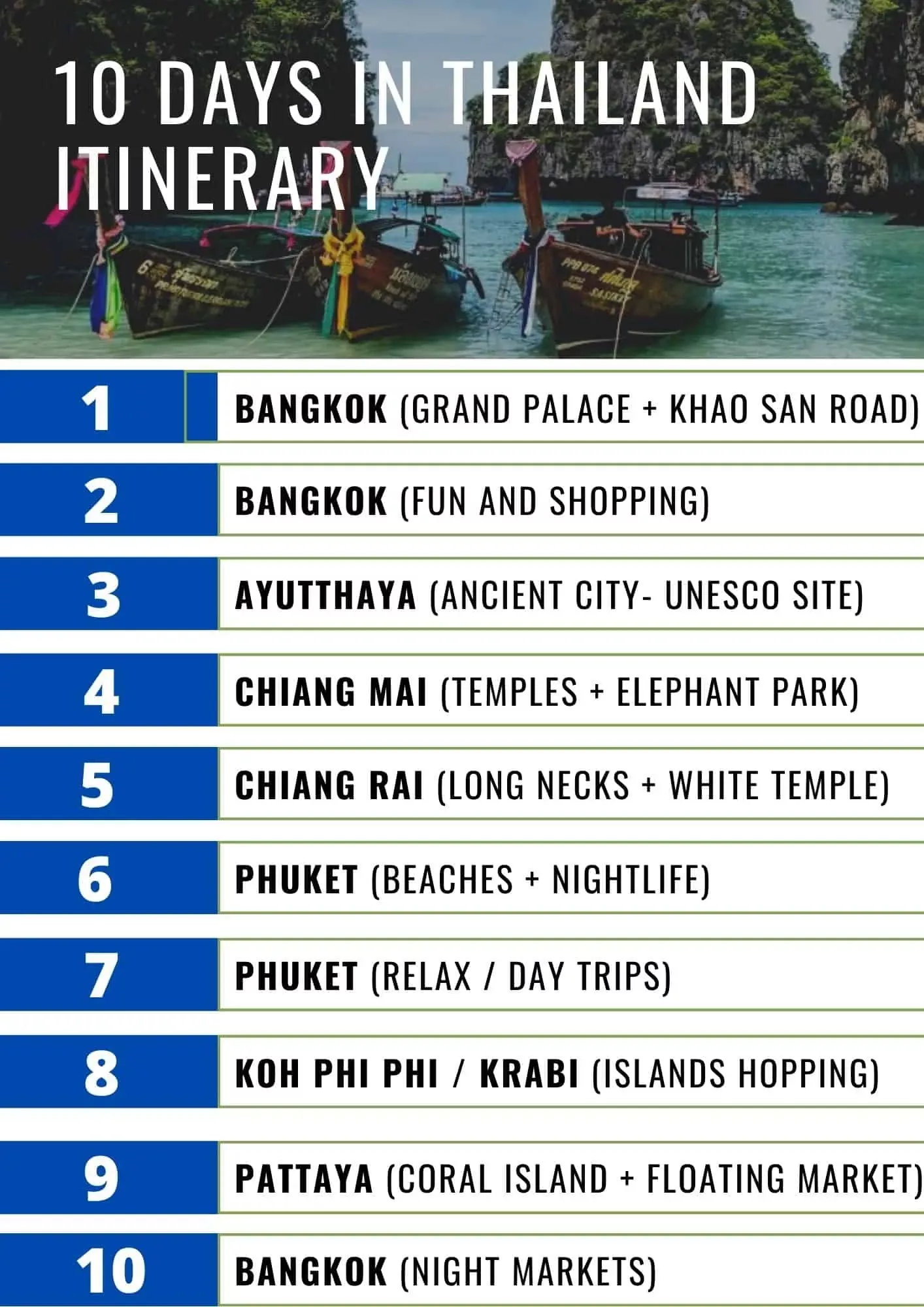
Are you dreaming of ancient temples, bustling markets, pristine beaches, and mouth-watering street food? Thailand, the "Land of Smiles," beckons travelers from across the globe with its vibrant culture and stunning landscapes. If you’re planning your inaugural journey to this captivating Southeast Asian nation, this Beginner Guide to Thailand For First-Time Visitors is your essential companion. We’ll navigate everything from pre-trip planning and cultural insights to budgeting, must-see destinations, and practical tips, ensuring your first Thai adventure is unforgettable and seamless.
Essential Pre-Trip Planning for Your First Thailand Journey
Embarking on a journey to a new country, especially one as diverse as Thailand, requires thoughtful preparation. Understanding the logistical groundwork is crucial for a smooth and enjoyable experience. This section will guide you through the vital steps before you even pack your bags.
Understanding Thailand Visa Requirements and Entry
Before booking anything, check Thailand’s visa policy for your nationality. Many countries, including the USA, UK, Canada, and Australia, are granted a visa exemption allowing a 30-day stay upon arrival (for air entry) or 15 days (for land entry).
For longer stays or specific purposes, you might need to apply for a visa in advance through a Thai embassy or consulate. Always ensure your passport is valid for at least six months beyond your intended departure date and has a few blank pages for stamps. Stay updated on any changes to entry requirements, especially those related to health declarations or specific travel insurance.
Best Time to Visit Thailand for Beginners
Thailand experiences three main seasons: cool and dry (November to February), hot and dry (March to May), and rainy (June to October).
- Cool Season (November – February): This is generally considered the best time to visit, with pleasant temperatures and low humidity across most of the country. It’s ideal for exploring cities and northern regions. However, it’s also peak tourist season, meaning higher prices and larger crowds.
- Hot Season (March – May): Temperatures can soar, especially in April. If you tolerate heat well, it’s a good time for beach holidays, but inland exploration might be challenging.
- Rainy Season (June – October): Characterized by short, heavy downpours rather than constant rain. This period offers lush landscapes, fewer tourists, and lower prices. The south (especially the Andaman Coast) can experience significant rainfall, while the Gulf Coast islands might be drier. Consider the Gulf Coast (Koh Samui, Koh Phangan) during this time.
Crafting Your Thailand Itinerary: Where to Go First
For first-time visitors, a balanced itinerary encompassing city life, cultural immersion, and relaxation is highly recommended.
- Bangkok: The bustling capital is a must-see, offering grand temples, vibrant markets, and a dynamic food scene. Plan at least 3-4 days here.
- Chiang Mai: Head north for a dose of culture, ancient temples, ethical elephant sanctuaries, and stunning mountain landscapes. Allocate 3-5 days.
- Southern Islands: For ultimate relaxation, choose an island or two. Popular options include Phuket (bustling, many resorts), Krabi (stunning limestone karsts, Railay Beach), Koh Lanta (laid-back), or the Gulf islands like Koh Samui and Koh Phangan. Spend 4-7 days unwinding.
This classic "Bangkok-Chiang Mai-Islands" route provides an excellent introduction to Thailand’s diverse offerings.
Navigating Your Way Around: Getting to and Through Thailand
Once your pre-trip planning is complete, the next step is understanding how to reach Thailand and move efficiently within its borders. Efficient transportation can significantly enhance your travel experience.
Flights to Thailand: Booking Your International Travel
Most international flights arrive at Bangkok’s Suvarnabhumi Airport (BKK) or Don Mueang International Airport (DMK), which primarily handles budget carriers. When booking, consider direct flights if available or layovers that align with your comfort levels.
Look for flights well in advance, especially if traveling during peak season. Flexibility with your travel dates can often lead to better deals. Additionally, budget airlines like AirAsia offer affordable domestic flights for inter-city travel within Thailand.
Local Transportation in Thailand: Beginner-Friendly Options
Getting around Thailand is generally easy and affordable.
- Bangkok: The BTS Skytrain and MRT subway are efficient ways to navigate the city, avoiding traffic. Taxis are metered, but always ensure the driver uses the meter. Ride-hailing apps like Grab are also popular and offer fixed prices. For short distances and a truly Thai experience, try a tuk-tuk, but negotiate the price beforehand.
- Inter-city: Domestic flights are quick for longer distances (e.g., Bangkok to Chiang Mai or the islands). Overnight trains (especially to Chiang Mai) offer a unique experience. Buses are the most economical option, connecting nearly every town and city.
- Islands: Ferries and speedboats are the primary modes of transport between islands. On the islands themselves, you’ll find songthaews (shared pick-up trucks), motorbikes (rent with caution and a helmet!), and taxis.
Budgeting for Your Thailand Adventure: What to Expect
Thailand is renowned for being an affordable travel destination, but costs can vary widely depending on your travel style. Understanding the typical expenses will help you plan your finances effectively.
Estimating Daily Costs for First-Time Travelers
A comfortable budget for a first-time visitor in Thailand can range from $40-$80 USD per day for mid-range travelers, excluding international flights.
- Accommodation:
- Budget hostels/guesthouses: $10-$25 per night
- Mid-range hotels: $30-$60 per night
- Luxury resorts: $100+ per night
- Food:
- Street food/local eateries: $2-$5 per meal
- Mid-range restaurants: $10-$20 per meal
- Western restaurants: $20+ per meal
- Activities: Entry fees for temples, national parks, and excursions (e.g., island hopping, cooking classes) can range from $5-$50 per activity.
- Transportation: Local transport is cheap; domestic flights will be your biggest internal travel expense.
Ultimately, your daily spend will depend on your choices. Opting for street food, local guesthouses, and public transport will significantly reduce costs.
Money Matters: Currency, ATMs, and Payments in Thailand
The local currency is the Thai Baht (THB). It’s advisable to carry some cash, especially for street vendors, small shops, and remote areas.
- ATMs: Widely available in cities and tourist areas. Be aware that most Thai ATMs charge a 220 THB ($6-$7 USD) transaction fee per withdrawal, in addition to any fees from your home bank.
- Credit Cards: Accepted at major hotels, department stores, and upscale restaurants, but less common at smaller establishments.
- Currency Exchange: You’ll find exchange booths at airports and throughout tourist areas. Compare rates, but airport rates are usually decent.
- Tipping: Tipping isn’t mandatory in Thailand, but it’s appreciated for good service. For restaurants, you can round up the bill or leave 10-20 THB. For massages or tours, a small tip is customary.
Embracing Thai Culture and Etiquette for First-Timers
Understanding and respecting local customs is paramount for any traveler. Thai culture is rich and welcoming, and a little awareness goes a long way in showing appreciation and avoiding unintentional offense.
Respecting Thai Customs and Traditions
Thailand is deeply rooted in Buddhist traditions, and respect is a cornerstone of daily life.
- The "Wai": This traditional Thai greeting involves pressing your palms together at chest height and bowing slightly. It’s a sign of respect, and learning to return a "wai" appropriately is a kind gesture.
- Head and Feet: The head is considered the most sacred part of the body, and the feet the least. Avoid touching anyone’s head. When sitting, avoid pointing your feet at people, religious images, or the royal family.
- Monarchy: The Thai Royal Family is highly revered. Always show respect for the King and Royal Family. Criticizing the monarchy is a serious offense.
- Temples (Wats): When visiting temples, dress modestly. Shoulders and knees should be covered. Remove your shoes before entering temple buildings and never point your feet at a Buddha image.
- Monks: Women should avoid touching monks. If you need to hand something to a monk, place it down for him to pick up, or hand it via a man.
Basic Thai Phrases for a Smoother Trip
Learning a few basic Thai phrases will not only make your interactions smoother but also endear you to locals.
- Hello: Sawadee krap (for men) / Sawadee ka (for women)
- Thank you: Kob khun krap (for men) / Kob khun ka (for women)
- Excuse me/Sorry: Kor tot krap/ka
- Yes: Chai krap/ka
- No: Mai krap/ka
- How much?: Tao rai krap/ka?
- Delicious: Aroy krap/ka!
Adding the polite particle krap (for men) or ka (for women) at the end of sentences shows respect.
Culinary Delights: A Beginner’s Guide to Thai Food
Thai cuisine is world-renowned for its complex flavors, aromatic spices, and fresh ingredients. For first-time visitors, exploring the local food scene is an adventure in itself.
Must-Try Thai Dishes for Your First Visit
Prepare your taste buds for an explosion of flavors!
- Pad Thai: The iconic stir-fried noodle dish, often with shrimp or chicken, peanuts, and lime. A great entry point into Thai food.
- Tom Yum Goong: A spicy and sour shrimp soup, fragrant with lemongrass, galangal, and kaffir lime leaves.
- Green Curry (Gaeng Keow Wan): A rich and creamy coconut milk-based curry, usually with chicken or fish balls, bamboo shoots, and Thai eggplant.
- Mango Sticky Rice (Khao Niao Mamuang): A delightful dessert of sweet sticky rice, fresh mango slices, and a drizzle of coconut milk.
- Pad Kra Pao Moo (Basil Pork): Minced pork stir-fried with holy basil, chilies, and garlic, often served with rice and a fried egg.
- Som Tum (Papaya Salad): A refreshing and spicy salad made with shredded green papaya, chilies, lime, and peanuts.
Don’t be afraid to try street food! It’s often the freshest, most authentic, and cheapest option. Look for stalls with long queues of locals – a good sign of quality.
Dining Etiquette and Ordering Tips
Thai dining is typically communal. Dishes are ordered for the table and shared, rather than each person ordering an individual main course.
- Utensils: Thais primarily use a spoon and fork. The fork pushes food onto the spoon, which is then used to eat. Chopsticks are common for noodle dishes.
- Spice Levels: Thai food can be very spicy. If you’re sensitive to heat, ask for "mai pet" (not spicy) or "pet nit noy" (a little spicy). However, even "mai pet" can sometimes still have a kick!
- Hydration: Always have water on hand, especially with spicy dishes. Bottled water is cheap and widely available.
Staying Safe and Healthy on Your Thailand Trip
While Thailand is generally safe for tourists, being prepared for potential health issues and being aware of common safety precautions will ensure a worry-free trip.
Health Precautions and Travel Insurance for Thailand
Prioritize your health before and during your trip.
- Vaccinations: Consult your doctor about recommended vaccinations (e.g., Hepatitis A & B, Typhoid, Tetanus).
- Mosquito Protection: Dengue fever is present, especially during the rainy season. Use effective insect repellent, wear long sleeves and pants at dawn and dusk, and sleep under mosquito nets if available.
- Sun Protection: The tropical sun is intense. Use high-SPF sunscreen, wear hats, and seek shade during peak hours.
- Hydration: Drink plenty of bottled water to avoid dehydration. Avoid tap water.
- Travel Insurance: This is non-negotiable. Ensure your policy covers medical emergencies, trip cancellations, and lost luggage. Thailand’s healthcare is excellent but can be expensive without insurance.
General Safety Tips for Exploring Thailand
A few common-sense precautions will help you stay safe.
- Scams: Be wary of common tourist scams, such as overly friendly strangers leading you to gem shops, "free" tuk-tuk rides that involve detours, or jet ski rental scams. Always research tour operators.
- Personal Belongings: Keep an eye on your valuables, especially in crowded areas. Use hotel safes.
- Nightlife: Exercise caution when consuming alcohol. Don’t leave drinks unattended and be aware of your surroundings.
- Traffic: Thai traffic can be chaotic. Be extremely careful when crossing roads and consider using pedestrian crossings.
- Drugs: Thailand has very strict drug laws with severe penalties. Do not engage with illicit substances.
- Animal Welfare: When visiting attractions involving animals (e.g., elephants), choose ethical sanctuaries that prioritize the animals’ well-being over tourist entertainment. Avoid riding elephants.
Top Destinations for Your First-Time Thailand Itinerary
With so much to see, choosing where to spend your precious vacation days can be daunting. Here’s a closer look at the key regions for your initial visit.
Bangkok: The Vibrant Capital City Experience
Bangkok is a sensory overload in the best possible way. This sprawling metropolis offers an incredible blend of tradition and modernity.
- Grand Palace & Wat Phra Kaew: The former royal residence and home to the Emerald Buddha is a breathtaking complex of stunning architecture.
- Wat Arun (Temple of Dawn): An iconic riverside temple adorned with intricate porcelain. Best viewed at sunset.
- Wat Pho: Home to the impressive Reclining Buddha and a renowned traditional Thai massage school.
- Chatuchak Weekend Market: One of the world’s largest markets, offering everything from clothing and food to antiques.
- Khao San Road: A famous backpacker hub known for its lively nightlife, street food, and budget accommodation.
- River Cruises: Explore the Chao Phraya River on a longtail boat or dinner cruise for a different perspective of the city.
Chiang Mai: Northern Thailand’s Cultural Gem
Escape the capital’s hustle and bustle for the serene, mountainous north. Chiang Mai is known for its ancient temples, Lanna culture, and cooler climate.
- Doi Suthep: A magnificent temple perched atop a mountain, offering panoramic views of Chiang Mai.
- Ethical Elephant Sanctuaries: Spend a day interacting with rescued elephants in a responsible and respectful manner.
- Old City Temples: Explore countless historic temples within the ancient city walls, such as Wat Chedi Luang and Wat Phra Singh.
- Cooking Classes: Learn to prepare authentic Thai dishes in a hands-on class.
- Night Bazaar: Shop for handicrafts, clothing, and souvenirs, and enjoy delicious street food.
Southern Islands: Beach Paradise for Relaxation
Thailand’s southern islands are synonymous with stunning beaches, clear waters, and vibrant marine life.
- Phuket: Thailand’s largest island, offering a wide range of resorts, bustling Patong Beach, and vibrant nightlife. It’s a great base for island hopping.
- Krabi: Famous for its dramatic limestone karsts, particularly around Railay Beach and Ao Nang. Ideal for rock climbing, kayaking, and exploring hidden lagoons.
- Koh Phi Phi: Known for its stunning Maya Bay (now restricted for conservation) and lively party scene. A popular spot for island tours and snorkeling.
- Koh Lanta: A more laid-back alternative, perfect for families and those seeking tranquility, with beautiful long beaches.
- Koh Samui, Koh Phangan, Koh Tao: Located in the Gulf of Thailand, these islands offer something for everyone – from Samui’s luxury resorts to Phangan’s full moon parties and Tao’s world-class diving.
Practical Tips for a Seamless First-Time Thailand Vacation
Beyond the major attractions and cultural insights, a few practical considerations will greatly enhance your first journey to Thailand. Being prepared for everyday scenarios makes a world of difference.
Packing Essentials for Your Thailand Adventure
Packing smart means packing light and appropriately for the climate and culture.
- Clothing: Light, breathable fabrics like cotton and linen are ideal. Pack swimwear, a light rain jacket (if traveling in the rainy season), and modest clothing for temple visits (shoulders and knees covered).
- Footwear: Comfortable walking sandals or shoes are a must. Flip-flops are great for beaches and casual wear.
- Sun Protection: High-SPF sunscreen, a wide-brimmed hat, and sunglasses are crucial.
- Insect Repellent: Essential for warding off mosquitoes.
- Basic First Aid Kit: Include pain relievers, anti-diarrhea medication, plasters, and antiseptic wipes.
- Adapter: Thailand uses Type A, B, C, and O sockets, with a voltage of 230V. A universal adapter is recommended.
- Reusable Water Bottle: Help reduce plastic waste. Many hotels and cafes offer water refills.
- Small Daypack: Handy for daily excursions to carry water, snacks, and essentials.
Staying Connected: SIM Cards and Wi-Fi in Thailand
Staying connected in Thailand is incredibly easy and affordable.
- Local SIM Card: Upon arrival, purchase a local SIM card from providers like AIS, TrueMove H, or Dtac. You can find kiosks at airports and convenience stores. Packages for tourists typically offer generous data allowances and some call credit for a very reasonable price (e.g., 200-500 THB for unlimited data for 7-15 days).
- Wi-Fi: Free Wi-Fi is widely available in hotels, guesthouses, cafes, and many restaurants. However, speeds can vary.
- Offline Maps: Download offline maps (e.g., Google Maps) for navigation when you might not have internet access.
Conclusion: Embrace Your Thailand First-Time Visitor Journey
Thailand truly is a destination that captures the heart and imagination. From the spiritual tranquility of its temples to the vibrant energy of its street markets and the serene beauty of its beaches, it offers an unparalleled travel experience. By following this Beginner Guide to Thailand For First-Time Visitors, you’re now equipped with the knowledge and confidence to plan a trip that balances adventure, cultural immersion, and relaxation.
Don’t be afraid to step outside your comfort zone, try new foods, learn a few Thai phrases, and embrace the unexpected. The "Land of Smiles" awaits, ready to enchant you with its unique charm and hospitality. So, pack your bags, prepare for an incredible journey, and get ready to create memories that will last a lifetime.





 Rismon Sianipar
 admin
admin