 admin
admin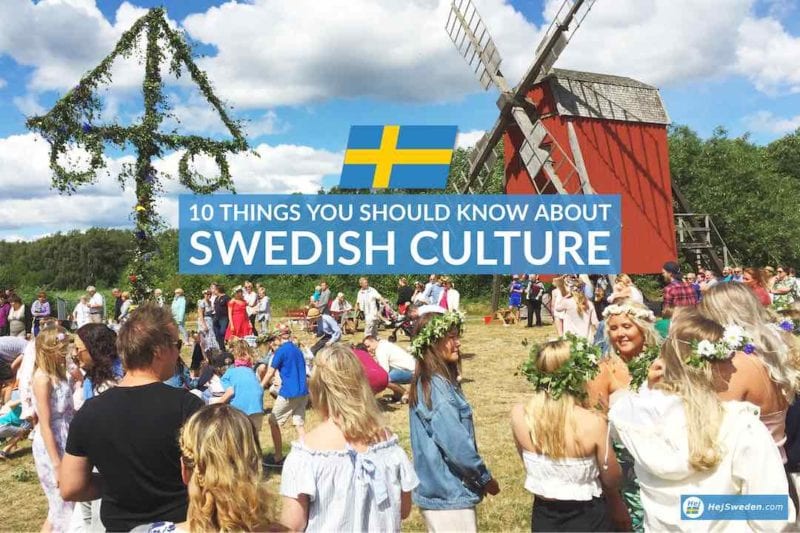
Sweden, a land of breathtaking natural beauty and innovative design, offers visitors far more than picturesque landscapes and vibrant cities. To truly appreciate this Scandinavian gem, it’s essential to embark on a journey of understanding the culture of Sweden you should visit. From its unique social philosophies to its cherished traditions, Swedish culture is a fascinating tapestry woven with threads of equality, sustainability, and a deep respect for both community and nature. This comprehensive guide will delve into the heart of Swedish identity, equipping you with insights to enrich your travel experience and foster a deeper connection with this remarkable country.
The Core Pillars of Swedish Culture: A Deep Dive into Swedish Lifestyle
Swedish culture is built upon several foundational principles that permeate daily life, influencing everything from social interactions to urban planning. Grasping these concepts is key to unlocking an authentic Swedish experience.
Lagom: The Art of Just Enough in Swedish Life
Perhaps the most quintessential Swedish concept, "Lagom" translates roughly to "just enough," "in moderation," or "not too much, not too little." It’s a philosophy that champions balance, efficiency, and sustainability, manifesting in various aspects of Swedish life. It discourages excess and promotes a sense of contentment with what is sufficient.
- Practical Applications of Lagom:
- Work-Life Balance: Swedes prioritize leisure time and family, viewing long working hours as inefficient. This contributes to a healthier, happier populace.
- Consumption: From minimalist design to sustainable living, Lagom encourages conscious choices and avoiding unnecessary waste.
- Social Interactions: It promotes modesty, humility, and avoiding boastfulness, fostering a sense of collective harmony rather than individual grandstanding.
Insight for Visitors: When in Sweden, observe how Lagom influences local behavior. You’ll notice efficient public transport, well-maintained public spaces, and a general appreciation for practicality over ostentation. Embrace the idea of "just enough" in your own travels – perhaps by enjoying a simple, high-quality meal or appreciating functional design.
Fika: More Than Just a Coffee Break in Sweden
"Fika" is arguably Sweden’s most beloved social ritual, and it’s far more profound than merely grabbing a cup of coffee. It’s a designated time to pause, connect, and enjoy a warm beverage (usually coffee) and a pastry (often a cinnamon bun, or "kanelbulle") with colleagues, friends, or family. It’s an integral part of the workday and social life, fostering connection and creativity.
- The Social Significance of Fika:
- Community Building: Fika breaks down hierarchies in workplaces and strengthens bonds among friends.
- Mindfulness: It encourages taking a moment to relax and recharge, embodying a mindful approach to daily life.
- Cultural Immersion: Participating in Fika is one of the easiest and most enjoyable ways for visitors to experience genuine Swedish hospitality.
Tip for Visitors: Seek out local cafés (konditori) and join the Swedes for a Fika. Don’t rush it; savor the moment, the conversation, and the delightful pastries. It’s a perfect opportunity to observe local life and unwind.
Jantelagen and Modesty: Understanding Swedish Social Norms
The "Law of Jante" (Jantelagen) is an unwritten social code prevalent in Nordic countries, including Sweden. While often criticized for potentially stifling individuality, it fundamentally promotes humility, equality, and collective well-being over personal achievement or showmanship. It emphasizes that no one should think they are better or more important than others.
- Core Tenets of Jantelagen:
- You are not to think that you are anything special.
- You are not to think that you are as good as we are.
- You are not to think that you are smarter than we are.
- … (and so on, across ten points emphasizing collective modesty)
Insight for Visitors: While not strictly enforced, Jantelagen influences Swedish interactions. Boasting or excessive self-promotion is generally frowned upon. A humble, respectful, and cooperative attitude will be better received. This fosters a sense of mutual respect and social cohesion.
Nature’s Embrace: The Swedish Connection to the Outdoors
Swedes have an incredibly deep and abiding connection to nature, viewing it not just as a resource but as an essential part of their well-being. This bond is enshrined in "Allemansrätten," the Right of Public Access, which grants everyone the freedom to roam most natural lands, pick berries, and camp responsibly, regardless of land ownership.
- Experiencing Swedish Nature:
- Outdoor Activities: Hiking, cycling, swimming, skiing, and foraging are popular pastimes throughout the year.
- Sustainability: This deep connection to nature fosters a strong environmental consciousness and a commitment to sustainable living.
- Therapeutic Value: Spending time outdoors (friluftsliv) is seen as vital for mental and physical health.
Practical Advice for Enjoying Swedish Nature: Pack appropriate gear for the season. Always follow the principles of "don’t disturb, don’t destroy" when exercising Allemansrätten. Respect private property, leave no trace, and be mindful of wildlife. Explore national parks, archipelagos, and forests to truly grasp this cultural pillar.
Innovation and Design: The Aesthetic Soul of Sweden
Sweden is globally renowned for its functional, minimalist, and aesthetically pleasing design. This isn’t merely about creating beautiful objects; it’s about integrating practicality, sustainability, and timelessness into everyday life, making good design accessible to all.
- Hallmarks of Swedish Design:
- Functionality: Products are designed to serve their purpose efficiently and elegantly.
- Simplicity: Clean lines, uncluttered spaces, and understated beauty are key.
- Sustainability: A strong emphasis on durable materials, eco-friendly processes, and longevity.
- Democratic Design: The belief that good design should be affordable and available to everyone.
Where to See Swedish Design: Visit design museums in Stockholm and Malmö, explore concept stores, or simply observe the architecture and public spaces in any Swedish city. Even local homes often reflect these design principles, showcasing a harmonious blend of form and function.
Equality and Social Harmony: Values Shaping Swedish Society
Equality is a cornerstone of Swedish society, deeply embedded in its political system, social policies, and cultural norms. This commitment extends to gender equality, social welfare, and ensuring opportunities for all.
- Manifestations of Swedish Equality:
- Gender Equality: Sweden consistently ranks among the top countries for gender equality, evident in parental leave policies, political representation, and workplace dynamics.
- Social Welfare System: A robust system provides comprehensive healthcare, education, and social security, aiming to minimize disparities.
- Inclusive Society: Efforts are made to create an inclusive environment for people of all backgrounds, abilities, and orientations.
Observation for Visitors: You’ll notice a general sense of respect and fairness in public interactions. Public services are typically efficient and accessible. This commitment to equality contributes to a stable and harmonious society, which is often palpable even for short-term visitors.
Embracing Swedish Traditions: Festivals and Celebrations
Swedish culture truly comes alive during its unique annual festivals and celebrations. These events offer a vibrant glimpse into the country’s history, folklore, and communal spirit.
Midsummer: A Quintessential Swedish Cultural Experience
Midsummer (Midsommar) is perhaps the most important and cherished holiday in Sweden, rivaling even Christmas in its significance. Celebrated around the summer solstice, it’s a joyous occasion marking the longest day of the year, deeply rooted in pagan traditions celebrating fertility and light.
- Midsummer Festivities:
- Maypole Dancing: Central to the celebration is dancing around a flower-decorated maypole, often performing traditional folk dances.
- Flower Crowns: Participants, especially women and children, weave intricate flower crowns (midsommarkrans) to wear.
- Traditional Food: Feasts include pickled herring, new potatoes, sour cream, chives, and strawberries, often accompanied by schnapps and singing.
- Nature Connection: Many Swedes leave the cities to celebrate in the countryside, embracing the natural beauty and long daylight hours.
How Visitors Can Participate: If your visit aligns with Midsummer (usually a Friday between June 19-25), seek out local celebrations. Many towns and open-air museums (like Skansen in Stockholm) host public events. It’s an unforgettable experience of collective joy and tradition.
Lucia and Christmas: Illuminating Winter in Sweden
While Midsummer celebrates light, the winter months bring their own set of cherished traditions that illuminate the darkness.
-
Saint Lucia’s Day (Lucia): Celebrated on December 13th, Lucia is a beautiful and atmospheric tradition that brings light and song to the darkest part of winter. Girls, typically dressed in white gowns with red sashes, process with candles, led by a "Lucia bride" wearing a crown of candles.
- Significance: It symbolizes hope and light during the winter solstice, incorporating elements of both Christian and pre-Christian traditions.
- Experience It: Attend a Lucia concert in a church or watch one of the many public processions. It’s a truly magical and moving experience.
-
Swedish Christmas (Jul): Swedish Christmas traditions are cozy and family-focused.
- Julbord: A lavish Christmas buffet featuring ham, meatballs, pickled herring, lutfisk, and various potato dishes.
- Julmust: A traditional non-alcoholic Christmas drink.
- Christmas Eve: The main day of celebration, with gift-giving and family gatherings.
Seasonal Tips: If visiting during winter, embrace the coziness (mysigt). Enjoy warm drinks, visit Christmas markets, and witness the beautiful light displays that help combat the long hours of darkness.
Practical Tips for Immersing Yourself in Swedish Culture
To truly integrate and appreciate the nuances of Swedish culture during your visit, a little preparation goes a long way.
Navigating Social Etiquette: Dos and Don’ts in Sweden
Swedish social interactions are generally understated, polite, and respectful of personal space.
- Punctuality: Be on time for appointments and social engagements. Punctuality is highly valued.
- Personal Space: Swedes generally maintain a comfortable distance during conversations. Avoid overly effusive greetings or physical contact unless initiated.
- Direct Communication: Swedes tend to be direct and honest in their communication, though always polite. Don’t mistake this for rudeness; it’s simply efficient.
- Small Talk: While not as common or elaborate as in some cultures, polite small talk is appreciated. Topics like weather, nature, and current events are safe bets.
- Queuing: Always queue patiently and respect the order. "Cutting in line" is a major social faux pas.
- Sustainability: Show respect for the environment by recycling, conserving water, and using public transport where possible.
Quick Tips for Social Interactions:
- "Tack" (Thank you): Use it often.
- "Ursäkta" (Excuse me/Sorry): Useful in crowded spaces.
- Eye Contact: Maintain polite eye contact during conversations.
- Footwear: It’s common to remove shoes when entering someone’s home.
Language and Communication: A Visitor’s Guide to Sweden
While Swedish is the official language, you’ll find that English proficiency is exceptionally high, especially among younger generations and in urban areas.
- English Fluency: Most Swedes, particularly those working in tourism, hospitality, and retail, speak excellent English. You’ll rarely struggle to communicate.
- Learning Basic Swedish Phrases: While not necessary, learning a few basic phrases shows respect and can enhance interactions.
- "Hej" (Hello)
- "God morgon/dag/kväll" (Good morning/day/evening)
- "Ja/Nej" (Yes/No)
- "Tack så mycket" (Thank you very much)
- "Snälla" (Please)
- "Skål!" (Cheers!)
- Non-Verbal Cues: Swedes generally use less expressive body language compared to some Southern European cultures. A firm handshake is a common greeting.
Dining and Shopping: Experiencing Swedish Lifestyle
Dining and shopping experiences also reflect Sweden’s cultural values of quality, efficiency, and sustainability.
- Tipping: Tipping is not as ingrained as in some countries. Service charges are usually included. A small tip (5-10%) for exceptional service is appreciated but not expected.
- Self-Service: Many restaurants, especially lunch spots, operate on a self-service model for water, bread, and sometimes even coffee.
- Systembolaget: Alcoholic beverages stronger than 3.5% ABV can only be purchased at state-run Systembolaget stores, which have restricted opening hours. Plan accordingly.
- Sustainable Shopping: Look for local handicrafts, design items, and second-hand stores (loppis) for unique and environmentally friendly souvenirs.
- Cashless Society: Sweden is rapidly becoming a cashless society. Card payments are widely accepted, and many places do not accept cash at all.
Why Understanding Swedish Culture Enhances Your Visit
Ultimately, understanding the culture of Sweden you should visit isn’t just about adhering to social norms; it’s about unlocking a richer, more meaningful travel experience. By appreciating Lagom, participating in Fika, respecting Jantelagen, and connecting with nature, you move beyond being a mere tourist. You become a traveler who engages with the local way of life, gains genuine insights, and fosters a deeper appreciation for this remarkable country.
Embracing Swedish cultural values allows you to:
- Connect authentically: Build better rapport with locals.
- Avoid misunderstandings: Navigate social situations with ease.
- Discover hidden gems: Experience aspects of Sweden not found in guidebooks.
- Gain new perspectives: Reflect on your own cultural values.
- Create lasting memories: Form a more profound connection with your destination.
Conclusion: Your Journey to the Heart of Sweden
Sweden offers an unparalleled blend of natural beauty, cutting-edge innovation, and a deeply rooted cultural identity. By taking the time for understanding the culture of Sweden you should visit, you’re not just planning a trip; you’re preparing for an immersive journey into a society that values balance, community, and respect for both people and planet. From the tranquil rhythm of Lagom to the vibrant traditions of Midsummer, every aspect of Swedish culture invites you to slow down, connect, and appreciate the thoughtful way of life. So, pack your bags, open your mind, and prepare to discover the true heart of Sweden – a country that promises not just sights, but profound experiences that will stay with you long after you’ve returned home.