 Rismon Sianipar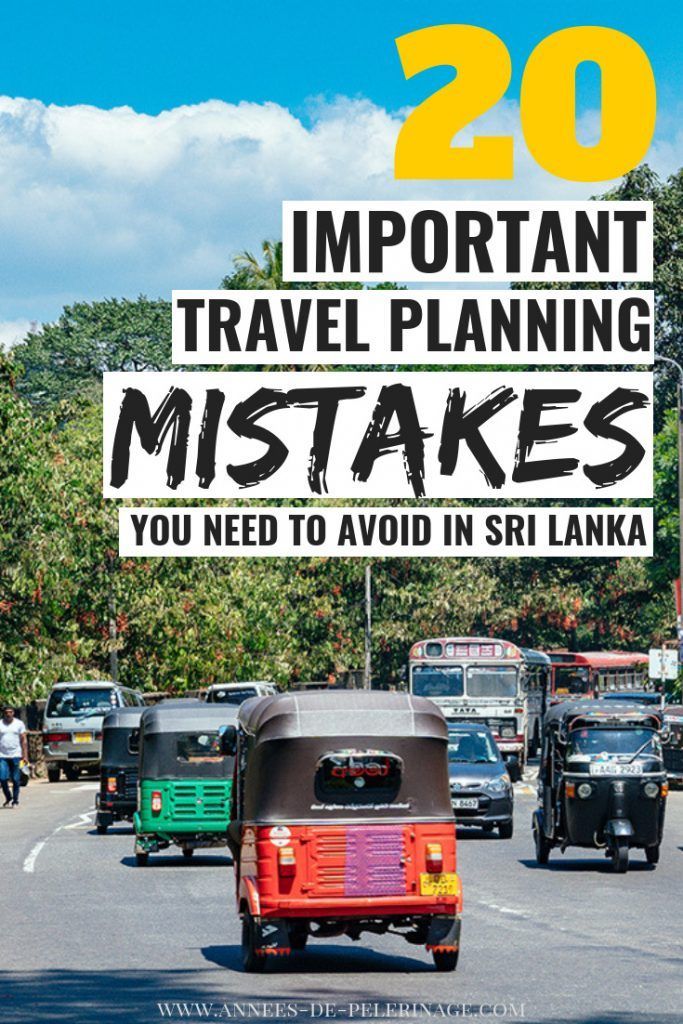
Planning Your Sri Lanka Adventure: Common Pitfalls to Avoid
Careful planning is the cornerstone of any successful trip, and Sri Lanka is no exception. Overlooking crucial pre-travel steps can lead to unnecessary stress and expenses. Let’s delve into some fundamental errors to avoid before you even set foot on the island.
Overlooking Visa Requirements for Sri Lanka
One of the most common mistakes travelers make is not checking visa regulations in advance. Most nationalities require an Electronic Travel Authorization (ETA) to enter Sri Lanka. Failing to secure this beforehand can cause delays or even denial of entry upon arrival.
Travel Tip:
- Apply Online: Visit the official Sri Lankan ETA website (eta.gov.lk) well before your departure. The process is straightforward and usually approved within 24-48 hours.
- Check Validity: Ensure your passport has at least six months of validity remaining from your planned entry date.
- Print Confirmation: While not always required, it’s wise to carry a printout of your ETA approval.
Skipping Travel Insurance for Your Sri Lanka Trip
Many travelers underestimate the importance of travel insurance, viewing it as an unnecessary expense. However, unexpected events like medical emergencies, trip cancellations, lost luggage, or even minor accidents can derail your trip and incur significant costs without proper coverage.
Insight:
Sri Lanka, while generally safe, can present unforeseen challenges. A scooter accident, a bout of food poisoning, or the theft of valuables can happen. Travel insurance provides a crucial safety net.
Practical Advice:
- Comprehensive Coverage: Opt for a policy that covers medical emergencies, trip interruption/cancellation, lost/stolen baggage, and emergency evacuation.
- Activity Coverage: If you plan on adventurous activities like surfing, diving, or hiking, ensure your policy covers these specific activities.
- Read the Fine Print: Understand what is and isn’t covered before purchasing.
Not Researching Sri Lanka’s Seasons and Weather
Sri Lanka experiences two distinct monsoon seasons, affecting different parts of the island at different times. Arriving during a heavy monsoon can significantly impact your travel plans, limiting outdoor activities and making travel difficult.
What to Avoid:
- Visiting the West/South Coasts during May-September: This is the Yala monsoon season, bringing heavy rains to areas like Galle, Mirissa, and Colombo.
- Visiting the East/North Coasts during October-January: The Maha monsoon affects regions like Trincomalee, Arugam Bay, and Jaffna.
Smart Travel Tips:
- Peak Season (December-March): Ideal for the west and south coasts and the hill country. Expect sunny weather but higher prices and more crowds.
- Shoulder Seasons (April & September-November): Good balance of weather and fewer tourists, though some rain is possible.
- East Coast Best (May-September): Perfect for surfing and beach holidays on the east coast when the west is rainy.
- Flexibility is Key: If your dates are fixed, research which regions will have the best weather during your visit and plan your itinerary accordingly.
Navigating Sri Lanka: Transportation & Accommodation Mistakes
Getting around Sri Lanka and finding suitable places to stay are integral parts of the travel experience. Making ill-informed decisions in these areas can lead to wasted time, discomfort, and unnecessary expenses.
Relying Solely on Public Transport Without Local Insight
Sri Lanka’s public transport, including trains and buses, is incredibly cheap and offers a unique local experience. However, it can also be slow, crowded, and confusing for first-timers, especially with luggage. A common mistake is not balancing this with other transport options.
Common Pitfalls:
- Underestimating Travel Time: Buses and trains often take much longer than anticipated due to road conditions, frequent stops, or track maintenance.
- Luggage Challenges: Overcrowded public transport can make traveling with large suitcases very difficult.
- Lack of Direct Routes: You might need multiple transfers to reach your desired destination.
Complete Travel Tips:
- Mix and Match: Use public transport for scenic routes (like the Kandy to Ella train) and shorter distances. For longer journeys or when carrying heavy bags, consider private taxis, tuk-tuks (for shorter distances), or pre-booked transfers.
- Ride-Hailing Apps: In major cities like Colombo and Kandy, use apps like PickMe or Uber for convenient and metered taxi/tuk-tuk services.
- Negotiate Tuk-Tuk Fares: Always agree on a price before starting your journey with a street tuk-tuk driver.
- Hire a Driver: For multi-day tours, hiring a private driver with a vehicle can be a cost-effective and comfortable option, offering flexibility and local insights.
Booking Last-Minute Accommodation in Sri Lanka
While spontaneity can be appealing, waiting until the last minute to book your stays, especially during peak season or for popular locations, is a mistake. You might end up with limited choices, higher prices, or undesirable locations.
What to Avoid:
- Missing Out: Popular guesthouses and boutique hotels, especially those with unique charm or prime locations, book up quickly.
- Paying More: Dynamic pricing means prices often increase closer to the travel date.
- Compromising Quality: You might be left with less-than-ideal options if good places are fully booked.
Accommodation Advice:
- Book Ahead: Secure your accommodation at least a few weeks in advance, especially for popular destinations like Ella, Galle Fort, and national park areas. For peak season, book months ahead.
- Read Reviews: Always check recent reviews on platforms like Booking.com, Agoda, or Airbnb to gauge quality and authenticity.
- Consider Diverse Stays: Explore options from guesthouses and homestays (great for local interaction) to boutique hotels and resorts, depending on your budget and preference.
Underestimating Travel Times Across Sri Lanka
Sri Lanka’s roads, while improving, can be winding and busy, particularly in the hill country. What looks like a short distance on a map can take hours to traverse, leading to packed itineraries and rushed experiences.
Mistake to Avoid:
- Over-scheduling: Trying to cram too many destinations into a short timeframe without accounting for realistic travel durations. This leads to exhaustion and less time to enjoy each place.
Planning Insights:
- Buffer Time: Always add extra buffer time to your estimated travel durations. A 100km journey might take 3-4 hours by car, and even longer by bus or train.
- Check Google Maps (with caution): Use Google Maps for estimated driving times, but remember these are often optimistic. Factor in traffic, road conditions, and comfort stops.
- Prioritize Experiences: Choose fewer destinations and spend more quality time in each, rather than rushing through many.
Cultural & Safety Blunders to Sidestep in Sri Lanka
Immersing yourself in Sri Lankan culture is a highlight of any trip. However, being unaware of local customs or neglecting basic safety precautions can lead to awkward situations or even risks.
Disregarding Local Customs and Etiquette in Sri Lanka
Sri Lanka is a conservative country, especially regarding religious sites. Ignorance of local customs can be seen as disrespectful.
Key Cultural Mistakes:
- Inappropriate Dress: Wearing revealing clothing at temples or other religious sites.
- Turning Your Back on Buddha: Posing for photos with your back to a Buddha statue.
- Public Displays of Affection: Being overly affectionate in public.
- Using Your Left Hand: Eating or exchanging money with your left hand, which is considered unclean.
Respectful Travel Tips:
- Dress Modestly: When visiting temples or religious sites, cover your shoulders and knees. Carry a sarong or scarf for this purpose.
- Remove Shoes: Always remove your shoes and hats before entering temples.
- Be Mindful of Buddha Images: Never turn your back on a Buddha statue when taking photos.
- Use Your Right Hand: Always use your right hand when giving or receiving items, especially money or food.
- Ask for Permission: Always ask permission before photographing people, especially children.
- Polite Interactions: A gentle "Ayubowan" (hello) and a smile go a long way.
Ignoring Health and Safety Precautions in Sri Lanka
While Sri Lanka is generally safe for tourists, common-sense precautions are essential. Neglecting health and safety can lead to illness or unfortunate incidents.
Health & Safety Blunders:
- Drinking Tap Water: Tap water is generally not safe for consumption.
- Ignoring Mosquito Protection: Sri Lanka is a tropical country with mosquitoes that can carry diseases like dengue.
- Not Being Wary of Wildlife: Getting too close to wild animals, especially elephants, monkeys, or stray dogs.
- Swimming in Unsafe Areas: Ignoring warning signs about strong currents, especially on beaches.
Safety & Wellness Advice:
- Stay Hydrated: Drink plenty of bottled water. Always check the seal on water bottles.
- Mosquito Repellent: Use a strong insect repellent, especially at dawn and dusk. Consider sleeping under a mosquito net if provided.
- Food Hygiene: Eat at reputable establishments. Opt for freshly cooked food and avoid raw salads or unpeeled fruits from questionable sources.
- Sun Protection: The tropical sun is strong. Use high-SPF sunscreen, wear a hat, and seek shade during peak hours.
- Wildlife Awareness: Maintain a safe distance from wild animals. Never feed monkeys as they can become aggressive.
- Ocean Safety: Pay attention to local advice and warning flags regarding currents. Swim only in designated safe areas.
Being Unprepared for Sri Lanka’s Local Cuisine
Sri Lankan cuisine is a delicious adventure, but it can also be spicy and different from what you’re used to. A common mistake is not knowing what to expect or being too hesitant to try new things.
Food-Related Mistakes:
- Underestimating Spice Levels: Sri Lankan food is renowned for its heat.
- Not Trying Street Food: Missing out on authentic local flavors.
- Not Communicating Dietary Needs: Assuming restaurants will automatically understand allergies or preferences.
Culinary Travel Tips:
- Embrace the Spice: Start with milder options or ask for "less spicy" (kodi kodi miris) if you’re sensitive to heat.
- Must-Try Dishes: Don’t miss out on rice and curry, hoppers, string hoppers, kottu roti, and various sambols.
- Street Food Safety: Choose busy stalls with high turnover. Freshly cooked items are generally safer.
- Communicate Allergies: Clearly state any allergies or dietary restrictions (e.g., "vegetarian" – niraamishai or "no meat" – maalu na).
- Enjoy Fresh Fruits: Indulge in the abundant fresh tropical fruits like mangoes, papayas, passion fruit, and rambutan.
Budgeting & Communication Errors for Your Sri Lanka Journey
Effective budgeting and seamless communication are vital for a stress-free trip. Overlooking financial planning or connectivity options can lead to unexpected costs or frustrating situations.
Forgetting to Budget for Sri Lanka’s Hidden Costs
Many travelers meticulously plan for flights and accommodation but forget to account for smaller, yet significant, expenses that add up. This can lead to overspending or cutting short experiences.
Hidden Costs to Consider:
- Entrance Fees: Many popular attractions (Sigiriya, national parks, temples) have relatively high entrance fees for foreigners.
- Tipping: While not mandatory, tipping for good service is appreciated.
- Souvenirs & Shopping: Budget for local crafts, tea, or spices.
- Activity Costs: Surfing lessons, cooking classes, safari tours, etc.
- Emergency Fund: Always have extra money for unforeseen circumstances.
Budgeting Smartly:
- Research Entrance Fees: Look up current prices for all attractions you plan to visit and factor them into your daily budget.
- Allocate for Tips: Keep small denominations handy for tipping drivers, guides, and hotel staff.
- Set a Daily Spending Limit: This helps you stay on track with your budget.
- Consider a Travel Card: A multi-currency travel card can help manage expenses and exchange rates.
Not Having Local Currency or a Reliable Payment Method
Relying solely on credit cards or large foreign currency denominations is a mistake, especially outside major tourist hubs. Cash is king in many parts of Sri Lanka.
Payment Pitfalls:
- Limited Card Acceptance: Many smaller shops, guesthouses, and restaurants, especially in rural areas, only accept cash.
- ATM Availability: ATMs might be scarce or out of service in remote locations.
- Unfavorable Exchange Rates: Exchanging currency at the airport can sometimes offer less favorable rates.
Financial Travel Tips:
- Carry Local Currency (LKR): Always have a good amount of Sri Lankan Rupees for daily expenses, tuk-tuks, and smaller purchases.
- ATM Withdrawals: Withdraw larger amounts from ATMs in major towns. Inform your bank before traveling to avoid card blocking.
- Credit/Debit Card as Backup: Use cards for larger payments at established hotels or shops.
- Small Denominations: Break down larger notes into smaller ones whenever possible, as change can sometimes be an issue for smaller vendors.
Overlooking Connectivity Options in Sri Lanka
Staying connected is crucial for navigation, emergency communication, and sharing your travel experiences. Not planning for internet access can leave you stranded or frustrated.
Connectivity Mistakes:
- Relying on Hotel Wi-Fi: Hotel Wi-Fi can be slow, unreliable, or only available in common areas.
- Roaming Charges: Using your home country’s mobile plan can incur exorbitant roaming fees.
Staying Connected:
- Local SIM Card: Purchase a local SIM card upon arrival at the airport (Dialog, Mobitel, Etisalat are popular providers). They are inexpensive and offer excellent data packages.
- Download Offline Maps: Use apps like Google Maps or Maps.me to download maps of Sri Lanka for offline use. This is invaluable when you lose signal.
- Portable Charger: A power bank is essential to keep your phone charged, especially during long travel days.
Enhancing Your Sri Lanka Experience: Bonus Tips for a Richer Journey
Beyond avoiding mistakes, actively seeking opportunities to engage with the local culture and environment can elevate your Sri Lankan adventure.
Embracing Local Interactions and Experiences
One of the greatest joys of traveling in Sri Lanka is the warmth and hospitality of its people. A common mistake is staying solely within tourist bubbles and missing out on authentic interactions.
Maximizing Your Experience:
- Homestays: Opt for a homestay experience to gain deeper insights into local life, cuisine, and customs.
- Local Markets: Visit bustling local markets to observe daily life, try street food, and interact with vendors.
- Cooking Classes: Learn to prepare traditional Sri Lankan dishes, a fantastic way to engage with the culture and take home a delicious skill.
- Engage with Locals: Don’t be shy to strike up conversations. Many Sri Lankans speak English and are keen to share their culture.
Sustainable Travel Practices in Sri Lanka
Traveling responsibly ensures that the beauty and culture of Sri Lanka remain intact for future generations.
Conscious Travel Advice:
- Reduce Plastic Waste: Carry a reusable water bottle and refill it whenever possible. Avoid single-use plastics.
- Support Local Businesses: Choose local guesthouses, restaurants, and tour operators to ensure your money directly benefits the community.
- Respect Wildlife: Maintain a safe distance during safaris and avoid supporting attractions that exploit animals.
- Conserve Resources: Be mindful of water and electricity usage in your accommodation.
Conclusion
Sri Lanka is a captivating destination that promises an enriching travel experience. By being aware of and actively avoiding these common travel mistakes, you can navigate the island with confidence and ease. From securing your visa and understanding local customs to smart budgeting and embracing cultural immersion, these complete travel tips are designed to help you craft a seamless and truly unforgettable adventure. Prepare wisely, travel responsibly, and allow the magic of Sri Lanka to unfold before you.


 admin
admin