 rifanmuazin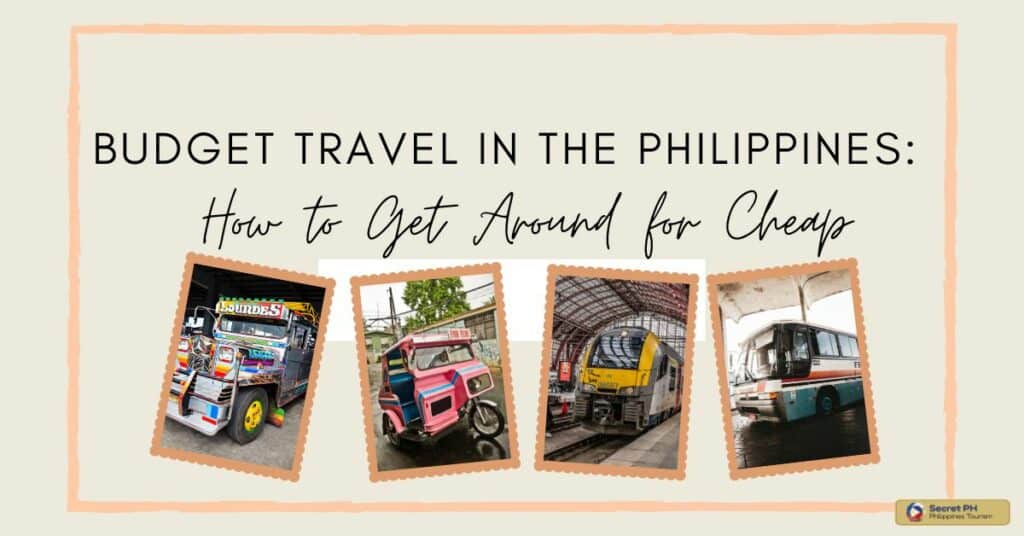
Dreaming of pristine beaches, vibrant culture, and mouth-watering cuisine without breaking the bank? You can absolutely travel on a budget in Philippines that locals recommend, unlocking authentic experiences and incredible savings. This guide will take you beyond the typical tourist traps, offering insider tips and practical advice straight from Filipinos themselves, ensuring your journey through this stunning archipelago is both unforgettable and affordable. From navigating local transport to savoring street food and finding wallet-friendly stays, prepare to discover the Philippines like a true local.
Why Explore the Philippines Like a Local?
Embracing local recommendations for your Philippine adventure isn’t just about saving money; it’s about enriching your travel experience. When you delve into the ways Filipinos themselves explore their country, you uncover hidden gems, taste authentic flavors, and engage with the culture on a deeper level. This approach allows for more genuine interactions, leads you to less-crowded spots, and ultimately provides a more profound understanding of this beautiful nation, all while keeping your expenses in check.
Mastering Affordable Transportation in the Philippines
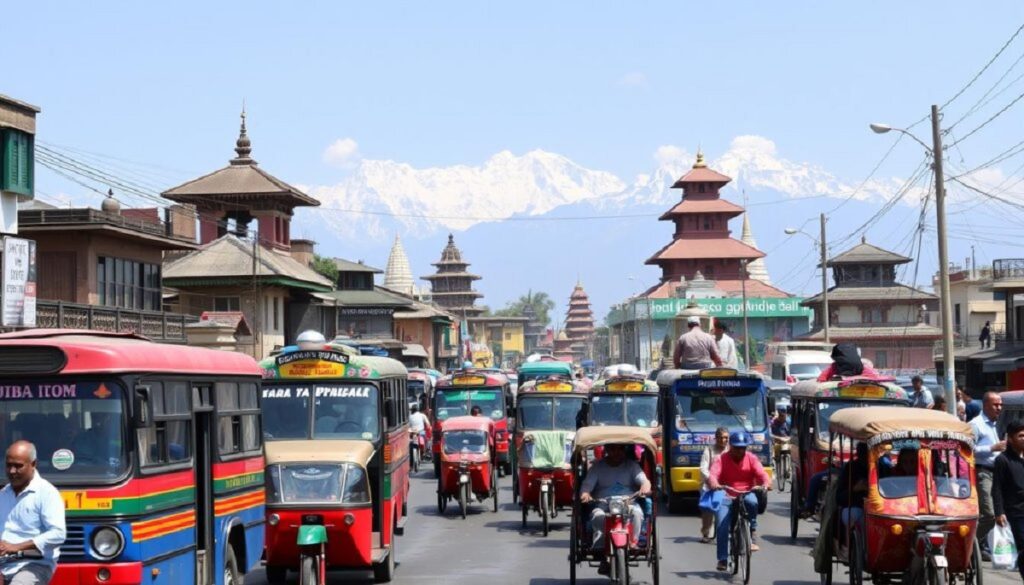
Getting around the Philippines can be surprisingly cheap if you know the local tricks. Public transportation is extensive, colorful, and offers a glimpse into daily Filipino life.
Navigating Local Transport Options on a Budget
Filipinos are masters of efficient, low-cost travel. Here’s how you can move like them:
- Jeepneys: These iconic, flamboyantly decorated vehicles are the kings of urban and provincial travel. They operate on fixed routes for a minimal fare (usually starting at ₱13-₱15 or around $0.25 USD). Just flag one down, hop on, and tell the driver or conductor your destination. They’re a true cultural experience!
- Tricycles: For shorter distances, tricycles (motorcycles with sidecars) are ubiquitous. Negotiate the fare beforehand, especially if you’re a tourist, but expect to pay around ₱30-₱100 ($0.50-$2 USD) depending on the distance and your haggling skills.
- Buses: Inter-city and provincial buses are excellent for long-distance travel across islands like Luzon, Palawan, or Mindanao. Fares are significantly cheaper than flights, with air-conditioned options available for comfort. Many also offer overnight routes, saving you a night’s accommodation.
- FX/Vans: These air-conditioned vans or utility vehicles often operate on fixed routes between towns or cities, offering a slightly faster and more comfortable alternative to buses, though usually at a slightly higher price. They’re great for shared rides.
- Boats/Ferries: Essential for island hopping, local ferries range from large RORO (Roll-on/Roll-off) ships to smaller banca boats. While travel times can be longer, they are far more economical than flying between islands and offer scenic journeys across the clear waters.
- Ride-sharing apps (Grab): While convenient, Grab (similar to Uber) can be more expensive than local options, especially during peak hours. Use it for specific needs, like late-night travel or when carrying lots of luggage, but prioritize local transport for daily savings.
Smart Travel Hacks for Budget-Friendly Journeys
Maximizing your savings on transport requires a little foresight and local know-how.
- Travel during off-peak hours: Avoid rush hour (early morning and late afternoon) to get better rates on tricycles and avoid crowded jeepneys.
- Book long-distance transport in advance: Especially for popular bus routes or ferries during peak season, securing your ticket early can sometimes get you better prices or at least guarantee a spot.
- Ask locals for routes and fares: Before hopping on a jeepney or tricycle, ask a local what the standard fare should be to avoid overpaying.
- Walk whenever possible: Many Philippine towns and cities are walkable, especially in central areas. Not only does this save money, but it also allows you to discover charming streets and local life at your own pace.
Savvy Accommodation: Local Tips for Budget Stays
Accommodation is often one of the biggest expenses for travelers. However, with local insights, finding wallet-friendly lodging in the Philippines is entirely achievable.
Finding Wallet-Friendly Lodging Recommended by Filipinos
Filipinos prioritize practicality and value, and these preferences extend to their lodging choices.
- Guesthouses, Hostels, and Homestays: These are your best friends for budget travel. Guesthouses offer private rooms at reasonable rates, while hostels provide dorm beds for the absolute cheapest option, often with a vibrant social atmosphere. Homestays, particularly in rural areas, offer an authentic cultural immersion and incredible value.
- Airbnb/Local Rentals: For groups or longer stays, consider renting a whole apartment or house through Airbnb. This can be more cost-effective than multiple hotel rooms and often comes with kitchen facilities, allowing for further savings on food.
- Fan Rooms vs. Air-Conditioned Rooms: Opting for a fan room, especially during cooler months or in higher-altitude areas, can significantly reduce your accommodation costs. The price difference between a fan room and an AC room can be substantial.
- Booking Directly: Sometimes, contacting smaller guesthouses or resorts directly via phone or email can yield better rates than booking through large online aggregators, as they avoid commission fees. It’s worth a try, especially for longer stays.
Beyond the Usual: Unique Budget Accommodation Experiences
For the truly adventurous budget traveler, there are even more unique ways to cut down on lodging expenses.
- Camping: In some areas, particularly near beaches or mountains, camping is an option. Always inquire about designated camping sites, permits, and safety. This can be an incredibly cheap way to stay close to nature.
- Staying in Provincial Towns: Instead of always staying in the main tourist hubs, consider lodging in a nearby, smaller provincial town. Prices are often lower, and you’ll experience a more authentic side of the Philippines, commuting to attractions if needed.
- Volunteering: Organizations across the Philippines offer opportunities to volunteer in exchange for free accommodation and sometimes even meals. This is a fantastic way to immerse yourself in local culture, contribute positively, and travel for free. Look for programs focused on environmental conservation, teaching, or community development.
Eating Like a Local: Delicious and Dirt-Cheap Filipino Food
One of the greatest joys of traveling in the Philippines is the food, and thankfully, it’s incredibly affordable if you eat where the locals do. Forget fancy restaurants; embrace the street food and local eateries.
Where to Find the Best Budget Eats in the Philippines
Filipinos love their food, and they know where to find the best value.
- Carenderias: These small, family-run eateries are the heart of Filipino budget dining. You’ll find a wide array of pre-cooked dishes displayed behind a glass counter. Just point to what you want, and it’s usually served with a generous helping of rice. A full meal can cost as little as ₱50-₱150 ($1-$3 USD).
- Street Food: From grilled pork skewers (isaw) and fish balls to kwek-kwek (quail eggs in orange batter) and banana cue (caramelized bananas), Filipino street food is diverse, delicious, and incredibly cheap. Be adventurous, but choose vendors with visible hygiene practices and high customer turnover.
- Public Markets: Beyond fresh produce, many public markets have dedicated food sections where you can find freshly cooked meals, snacks, and local delicacies at rock-bottom prices. This is also an excellent place to buy fresh fruits for healthy, cheap snacks.
- "Paresan," "Silogan," "Lugawan": These are specialty budget food stalls. "Paresan" serves beef pares (stew) with rice, "Silogan" offers various "silog" meals (garlic fried rice, egg, and a meat dish like longganisa or tocino), and "Lugawan" specializes in lugaw (rice porridge) with different toppings. All are hearty, delicious, and incredibly affordable.
Culinary Adventures: Filipino Dishes That Won’t Break the Bank
Filipino cuisine is rich in flavor and designed to be shared and enjoyed economically.
- Rice is King: Always served with meals, rice is a cheap and filling staple. Many carenderias offer "unli-rice" (unlimited rice) for a small extra charge or even free.
- Classic Filipino Dishes: Embrace dishes like Adobo (meat stewed in soy sauce and vinegar), Sinigang (sour soup), Tinola (ginger chicken soup), Pancit (noodles), and Lumpia (spring rolls). These are widely available and consistently affordable.
- Seasonal Fruits: Indulge in an abundance of cheap, fresh tropical fruits like mangoes, bananas, pineapples, and papayas. Buy them from local markets for the best prices.
- Hydration Hacks: Instead of constantly buying bottled water, carry a reusable water bottle and refill it. Many guesthouses, hostels, and even some small shops offer filtered water for a minimal fee or free.
Experiencing the Philippines Without Overspending
The Philippines offers a wealth of natural beauty and cultural experiences, many of which are free or require only a minimal entrance fee.
Free and Low-Cost Activities Locals Enjoy
Locals know how to enjoy their country’s beauty without spending a fortune.
- Public Beaches: While some resorts charge entrance fees, countless stunning public beaches across the archipelago are completely free to enjoy. Think of the untouched shores of Palawan or the serene coasts of Siargao.
- Hiking: Many mountains and trails offer breathtaking views for free or a small environmental fee. Always inquire locally about safe trails and consider hiring a local guide for a small fee if needed.
- Parks and Public Spaces: Spend an afternoon in a local park, observe daily life, or visit historical plazas that are often free to enter and explore.
- Museums: Check for museums that offer free admission on certain days or provide student discounts. These can be excellent sources of cultural and historical knowledge.
- Festivals: Time your visit with a local fiesta or festival. These vibrant celebrations are free to attend and offer an unparalleled immersion into Filipino culture, music, and dance.
- Simply Observing Local Life: One of the most enriching and free activities is simply sitting back and observing the bustling streets, the friendly interactions, and the everyday rhythm of Filipino life.
Smart Spending: Budget-Friendly Attractions and Souvenirs
Being strategic with your spending can make your budget stretch further.
- Negotiating Prices: In local markets and when hiring tricycles, polite negotiation is often expected. Always haggle with a smile.
- Prioritize Experiences: Instead of spending on expensive guided tours, consider doing DIY tours where possible. Hire a boatman directly for island hopping instead of going through a tour company, or explore historical sites on foot.
- Souvenirs: Opt for locally made crafts, woven goods, or unique food items from public markets rather than overpriced souvenirs from tourist shops. These are often more authentic and support local artisans directly.
- Avoid Tourist Traps: Be wary of overly aggressive touts or places that seem designed exclusively for tourists, as prices tend to be inflated there.
Essential Local Insights for a Frugal Philippine Trip
Beyond specific categories, some overarching local insights can significantly enhance your budget travel in the Philippines.
Practical Tips for Saving Money and Maximizing Value
Embrace these local habits and wisdom for a truly economical journey.
- Learn Basic Filipino Phrases: A simple "Magkano po?" (How much?) or "Salamat po" (Thank you) can go a long way in earning goodwill and sometimes even getting a better deal. Locals appreciate the effort.
- Haggle Politely: As mentioned, haggling is common in markets and with independent transport providers. Do it respectfully and with a friendly demeanor.
- Carry Small Bills and Coins: Many local vendors and transport providers may not have change for large denominations. Always have smaller bills (₱20, ₱50, ₱100) and coins handy.
- Stay Connected Affordably: Purchase a local SIM card upon arrival (Globe or Smart are popular). Data plans are very affordable, allowing you to use navigation apps and stay in touch without expensive roaming charges.
- Be Mindful of Hidden Costs: Always clarify what’s included in a price. For example, when hiring a boat for island hopping, confirm if the environmental fee, snorkeling gear, or lunch are included.
- Travel Light: Avoid checked baggage fees by packing light and carrying only essentials. Many local transport options are also easier to navigate with less luggage.
- Flexibility is Key: Having a flexible itinerary allows you to take advantage of cheaper transport options, last-minute deals, or spontaneous local recommendations.
- Travel During the Off-Season: If your schedule allows, traveling during the rainy season (June to November) can lead to significantly lower prices for flights, accommodation, and tours. While there might be occasional rain, you’ll also encounter fewer crowds and lush green landscapes.
- Embrace the Unexpected: Filipinos are known for their hospitality. Be open to invitations, conversations, and spontaneous moments. These often lead to the most memorable and cost-effective experiences.
Conclusion
The Philippines, with its stunning natural beauty and warm, welcoming people, is a dream destination that absolutely doesn’t have to break the bank. By adopting a local-first approach to your travel, leveraging public transportation, seeking out local eateries, opting for budget-friendly accommodations, and engaging in free or low-cost activities, you can unlock an incredibly rich and authentic experience. So, pack your bags, embrace the local recommendations, and prepare for an unforgettable adventure where you truly travel on a budget in Philippines that locals recommend, discovering the heart and soul of this incredible archipelago without compromising on wonder.